

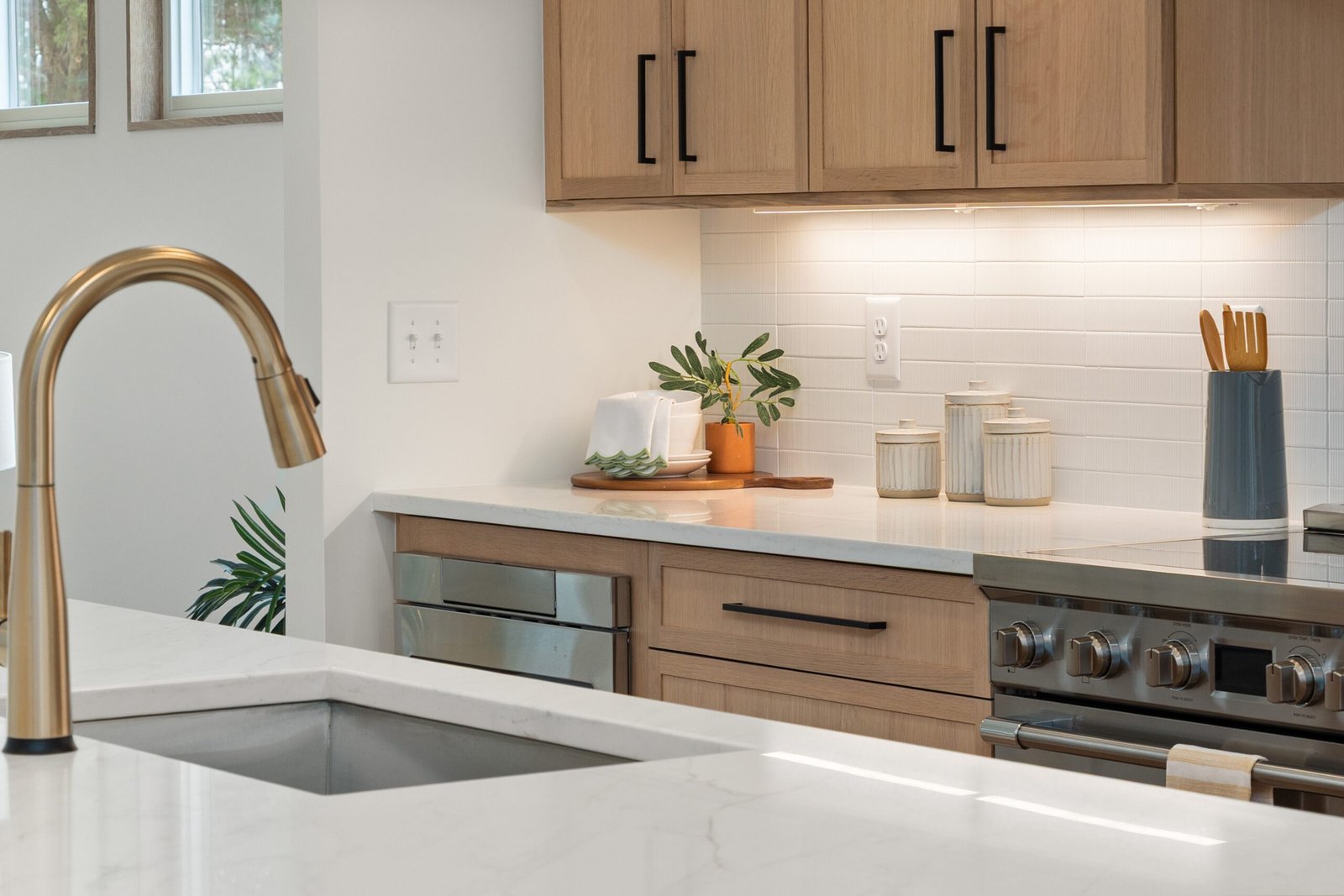
Workstation Sink upgrades are transforming kitchen remodels for homeowners who want to maximize prep space without giving up precious countertops or workflow convenience. If you’re considering a kitchen workstation sink with cutting board, read on for a no-nonsense guide that helps you make a practical, future-proof decision—before you buy or install.
Key Takeaways
- Workstation sinks integrate prep accessories directly over the bowl, saving countertop space and streamlining meal prep but require careful measuring and accessory compatibility checks.
- Common installation and accessory fit issues can undermine the benefits, especially in small kitchens or during DIY projects.
- Spending for a 16-gauge stainless steel model with a solid accessory kit improves long-term value and everyday usability.
- Why workstation sinks are catching on now
- What is a workstation sink — core features that matter
- Cost vs. value — is a workstation sink worth the premium?
- Most common complaints about stainless-steel workstation sinks
- Cutting board & accessory compatibility — what buyers rarely test
- Installation & retrofit challenges — measurements, clearances, and contractor tips
- Best workstation sink upgrades & accessories for 2026 (practical picks)
- Fitting a workstation sink in a small kitchen — sizing & layout strategies
- Maintenance & longevity — how to avoid the common failures
- Quick buyer checklist — measure, match accessories, and decide
- FAQ
Why workstation sinks are catching on now
For homeowners frustrated by cluttered counters or the juggling act of prep, cleanup, and cooking, workstation sinks are quickly becoming the go-to solution. These sinks feature integrated ledges that let you slide a cutting board, colander, or drying rack directly over the basin—transforming wasted sink space into a functional, efficient prep zone.
Adoption has accelerated lately: In 2024, about 12 percent of homeowners choosing a new kitchen sink opted for a workstation sink, up from 9 percent in 2023, 7 percent in 2022, and just 5 percent in 2021 (source).
Why the surge? Modern kitchen workstation sinks with cutting board, roll-up rack, and other smart accessories deliver:
- More prep space, without eating up precious countertop real estate
- A seamless workflow—from washing veggies to chopping to rinsing
- Cleaner, more organized kitchen surfaces and faster cleanup after meals
What is a workstation sink — core features that matter
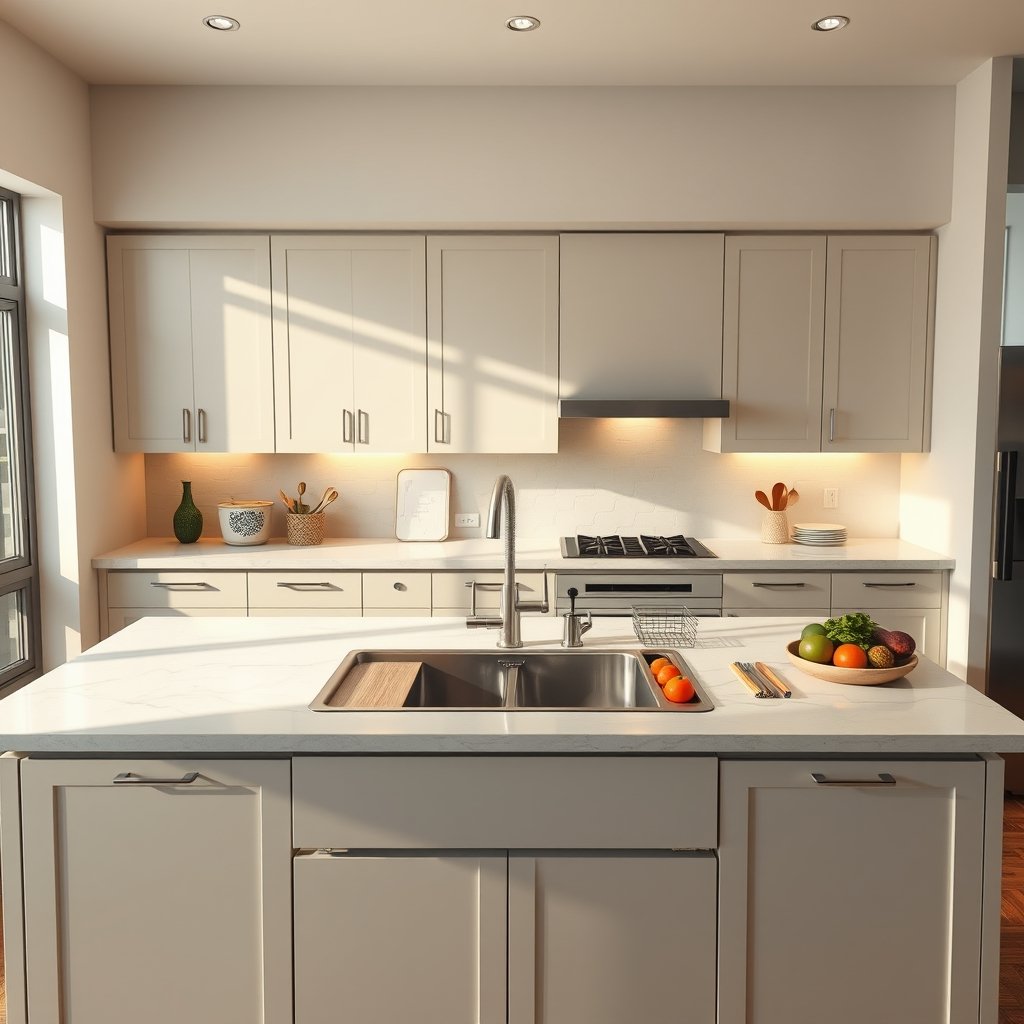
A workstation sink reimagines the standard kitchen basin by adding ledges along the inner walls. These ledges securely hold slide-in accessories: cutting boards, colanders, drying racks, and even utensil trays or strainers. With the right accessories, your sink becomes a full-service prep station, keeping messes confined and workflows efficient.
Key features to look for as a buyer:
- Integrated ledges: Sturdy, built-in rails (usually 16-gauge stainless steel or thicker) that support boards, racks, and more
- Deep single bowl: Most popular for flexibility, but double-bowl options exist for those who prefer traditional separation of tasks
- Sound-dampening: Reduces noisy water flow—especially important in open kitchen layouts
- Quality finish: Brushed stainless is most common. Some opt for granite composite or fireclay for a different look but stainless remains the top performer for integrated accessories
- Accessory fit and modularity: Check if boards, colanders, and racks are included or sold separately. Modular kits allow you to swap, upgrade, or add more.
- Bottom rinse grid: Prevents scratching and helps keep dishes dry
Look for a kitchen workstation sink with cutting board that includes a real wood (not bamboo or plastic) board, a roll-up drying rack, and a stainless colander for max daily benefit (details here).
Cost vs. value — is a workstation sink worth the premium?
It’s true: workstation sinks cost more up front. Expect a 20–30 percent premium compared to a standard stainless undermount or drop-in sink of similar size (guide here). But that’s just the beginning:
- Installation: Precision matters—cabinet/cutout must fit perfectly. Retrofitting usually involves extra labor and sometimes plumbing/mounting adjustments.
- Accessories included: Not all brands bundle the accessories. The most popular models, like the Ruvati RVH8001, ship with a solid wood cutting board, roll-up rack, and colander. Others sell each piece separately, which can add $150 or more.
- Long-term value: If you prioritize counter space and meal prep flow, the workstation pays off in convenience and resale appeal.
Budget realistically: add 20–30 percent for the sink itself, and another 10–20 percent for installation and accessories unless doing a new build with a contractor familiar with workstation models.
Most common complaints about stainless-steel workstation sinks
No sink is perfect—especially not at workstation prices. Common real-world pain points (from actual workstation sink stainless steel review feedback):
- Cutting boards can jam or mis-align if the ledge clearance is too tight. Some boards warp or pick up odors if left damp.
- Metal rails collect food debris that’s hard to see or scrub out, especially under cutting boards.
- Occasional rust and staining occurs around the ledge or on the bottom grid, particularly if water is left standing or the gauge is thin.
- Thinner bowls (18 gauge or less) can sound loud during water flow—sound-dampening pads help but aren’t universal.
- Accessory fit and replacement is a problem. Aftermarket or universal accessory kits rarely fit as smoothly as the included ones.
- Some users don’t enjoy always moving accessories to get full access to the bowl, especially when cleaning bulkier pots and pans.
Don’t ignore negative reviews—they often highlight nuanced issues you’ll encounter after the honeymoon phase (more here).
Cutting board & accessory compatibility — what buyers rarely test
Accessory fit is where most workstation sinks succeed or fail. Not every kitchen workstation sink with cutting board is created equal—here’s what professionals and smart remodelers check (but most skip):
- Ledge width: Too tight and accessories jam, too loose and they wobble dangerously. Bring your own tape measure to the showroom and check for smooth sliding with a bit of give.
- Board material: Solid hardwood (maple, walnut) is best for durability and avoiding odor; bamboo and plastic boards warp or get slippery faster.
- Accessory size and tolerance: Swap in the included colander or roll-up rack—ensure each rests flat and doesn’t tilt or slip into the bowl.
- Accessory kit inclusion: Confirm with the retailer what’s in the box; some “deals” come with only one accessory. Full kits—cutting board, roll-up rack, colander—are more useful and save money.
- Fit for lefties/righties: Some ledge rails only work efficiently for right-handed users; check in-store if you’re left-handed.

Test all accessories in person whenever possible—especially if you plan to use workstation sink accessories colander or racks daily.
Installation & retrofit challenges — measurements, clearances, and contractor tips
Precision matters. Workstation sinks require tighter tolerances than traditional sinks. Here’s what often trips up even seasoned DIY-ers and contractors:
- Cabinet width: Measure the interior width of your base cabinet, not just the top. Accessories need that extra inch or two for full motion.
- Counter cutout: A workstation undermount needs clean, level edges and correct cutout size for proper fit and support on all four ledges.
- Faucet reach and height: Make sure your chosen faucet clears the accessories when sliding or installed—gooseneck models often work best.
- Backsplash clearance: Accessories (especially thick boards) may not slide if the faucet or backsplash is too close behind the sink.
- Undermount vs. apron front: Apron/farmhouse workstation sinks need extra cabinet reinforcement and often stick out further; measure carefully.
- Plumbing adjustments: Drain and pipe alignments might change—especially with deeper bowls and workstation rails.
Avoid headaches: If retrofitting, consult the factory installation guide and measure three times—many returns stem from small oversights here. For new builds or uncertain fits, hiring a pro saves money and prevents permanent cabinet or counter damage (check key installation mistakes).
Best workstation sink upgrades & accessories for 2026 (practical picks)
High-quality accessories are what transform a basic sink into an everyday workstation. These upgrades have the most impact for 2026 remodels:
- 16-gauge or thicker stainless steel: Stronger, quieter, and better for supporting heavy accessories and dish stacks
- Solid wood cutting board: Included with models like the Ruvati RVH8001—look for maple or walnut, not bamboo
- Roll-up drying rack: Silicone-coated stainless rods; keeps counters clear and stores easily
- Stainless colander: Make sure it fits the ledge rails and rests securely
- Bottom rinse grid: Adds dish protection and keeps the sink easy to clean
- Aftermarket kits: Only buy accessories listed as compatible with your model—fit issues are common
Many top models come with these in-the-box. Research if the “deal” you’re considering requires accessory add-ons or ships as a full kit to avoid registration or warranty headaches later.
Want more countertop-saving upgrades? See our guide to the best Multi Cooker space-savers for 2026 or compare with small appliance solutions like the best portable air fryer for tight kitchens.
Fitting a workstation sink in a small kitchen — sizing & layout strategies
Small kitchen remodelers worry about losing bowl space or having the sink “take over” precious counter real estate. Here’s what works:
- Prep sinks: Choose a compact workstation, 18 to 24 inches wide, for island or secondary use—a smart way to add utility without dominating your counters.
- Single-bowl vs. double bowl: Pick a deep single bowl for flexibility; double bowls make accessory sliding tricky and reduce usable space.
- Smart layout: Align the main workstation sink near the dishwasher or cooking zone for the best workflow; avoid cramping the faucet or backsplash area.
- Check cabinet width: Manufacturers offer workstation sinks sized from 18 inches up to 36 inches. For most standard base cabinets (30–36 inches), a 27–33 inch sink balances prep capacity with space for larger pans and bakeware.
Looking to further maximize your small kitchen? Try these creative space-savers: compact espresso machines for coffee lovers and countertop ice makers for drink fans.
Maintenance & longevity — how to avoid the common failures
To protect your investment and avoid the usual complaints seen in any honest workstation sink stainless steel review, follow this straightforward routine:
- Dry all wood boards after every use: Water left on any work surface causes warping and odor, regardless of brand
- Rinse and dry ledges and accessories: Metal rails trap food scraps—wipe these with a soapy sponge and rinse under running water, paying special attention to hidden corners
- Treat stains and rust spots quickly: Bar Keepers Friend or baking soda paste tackles most stains. Always dry the sink thoroughly after use, especially along the ledge rails and under the rinse grid
- Pick the right gauge: 16-gauge or heavier stainless steel resists dents, noises, and scratches—this matters most for busy home cooks and families
Prolong accessory life by treating cutting boards with mineral oil monthly, and keep racks and colanders off the bottom of a full bowl when not in use. Upgrade to sink-specific cleaning brushes for maximum longevity.
Quick buyer checklist — measure, match accessories, and decide
Before clicking “add to cart” or telling your installer to place an order, run through this checklist—print or screenshot for your next showroom trip:
| Step | Why It Matters | What To Confirm |
|---|---|---|
| Measure cabinet interior width, depth, and height | Ensures sink and accessories fit/slide freely | Width, depth, and height are at least 1–2 inches larger than the sink’s external size |
| Check accessory kit inclusion | Avoids extra costs or accessory fit headaches | Cutting board, roll-up rack, colander included (not “add-on”) |
| Pick 16-gauge stainless or better | Resists noise, dents, and rust stains | Gauge stated in specs, ideally 16 or lower |
| Faucet/backplash clearance | Ensures accessories slide/move without hitting | At least 2 inches between faucet/backsplash and ledge |
| Confirm warranty/return policy | Protects against fit or accessory issues post-purchase | Warranty length, accessory defects covered |
With demand rising and about 12 percent of new installs now choosing workstation models, confirming accessory fit and installation limitation up front—especially for the best workstation sink upgrade 2026—saves money and headaches long term.
Still weighing your options? Explore our new Workstation Sink Buyer’s Guide or compare with other space-boosting kitchen upgrades like the best countertop ice makers, compact espresso machines, or the newest multi cookers for 2026.
FAQ
Is a workstation sink hard to install compared to a regular sink?
Installation is less forgiving—exact cabinet and countertop measurements matter. Many DIY-ers succeed, but hiring a pro is wise if you’re unsure about plumbing or the fit of the integrated rails and accessories.
What is the best workstation sink upgrade 2026 for a mid-size kitchen?
The best upgrade is a 16-gauge stainless workstation sink with a solid wood cutting board, roll-up rack, and colander kit included—models like the Ruvati RVH8001 are top choices for immediate utility and durability.
Do all workstation sinks come with cutting boards and accessories?
No. Some brands sell boards, racks, and colanders separately. Always check the box contents or confirm with the seller before you buy to avoid unexpected add-on costs.
How do you prevent accessory problems like wobbling or warping?
Choose models with precise ledge machining. Treat wood boards monthly with food-safe mineral oil, always dry them thoroughly, and avoid letting metal accessories rest on a wet sink bottom.
Are workstation sinks good for small kitchens?
Yes—if you select the right size. Compact workstation sinks (18–24 inches) or bar/prep models are ideal for small spaces, delivering prep benefits without crowding your counters.
—