

Multi Cooker demand has surged, especially among urban families needing a single appliance that saves space, time, and energy while reliably replacing everything from slow cookers to air fryers. Choosing the right unit cuts clutter and costs but requires honest, pragmatic evaluation—beyond the marketing hype.
Key Takeaways
- In 2024, all-in-one multi cookers accounted for almost half the market, driven by space and energy savings for busy, dual-income households.
- Look for verified tests: longevity (12+ months), energy use per recipe, and noise—the top three things most buying guides miss.
- Don’t buy on sheer function count; prioritize durable construction, genuine multi-mode performance, and replaceable rings for the long run.
- Market snapshot — Why multi cookers are a mainstream purchase in 2024
- Why buy a single all-in-one appliance — real consumer benefits
- What to prioritize when choosing a multi cooker (feature checklist)
- The common complaints users report when replacing multiple appliances — and how to avoid them
- Tests most reviews miss — what our hands-on guide adds
- How we (the editorial team) test — protocol readers can rely on
- Real trade-offs — where an all-in-one wins and where a dedicated device still rules
- Buyer’s decision flow — Which model fits you (capacity, budget, smart features)
- Quick recipes and mode swaps that prove one unit can replace many (5-recipe demo)
- Top pitfalls in listings and competitor guides to call out (editorial red flags)
- Final checklist and recommended next steps (how to buy, what to test in-store/first week)
- FAQ
Market snapshot — Why multi cookers are a mainstream purchase in 2024
The best multi cooker all-in-one appliance is no longer a kitchen experiment—it has gone mainstream thanks to changing consumer needs and tight urban living. In 2024 the global multicooker market generated roughly $9.2 billion in revenue, with all-in-one units (10+ functions and smart interfaces) accounting for about 44% of sales. The U.S., with a $2.5 billion contribution, leads North American adoption.
This growth aligns with the priorities of dual-income city dwellers: save counter space, avoid redundant devices, and get home-cooked results, all in less time and with less energy consumed.
[Source] [More data]
Why buy a single all-in-one appliance — real consumer benefits
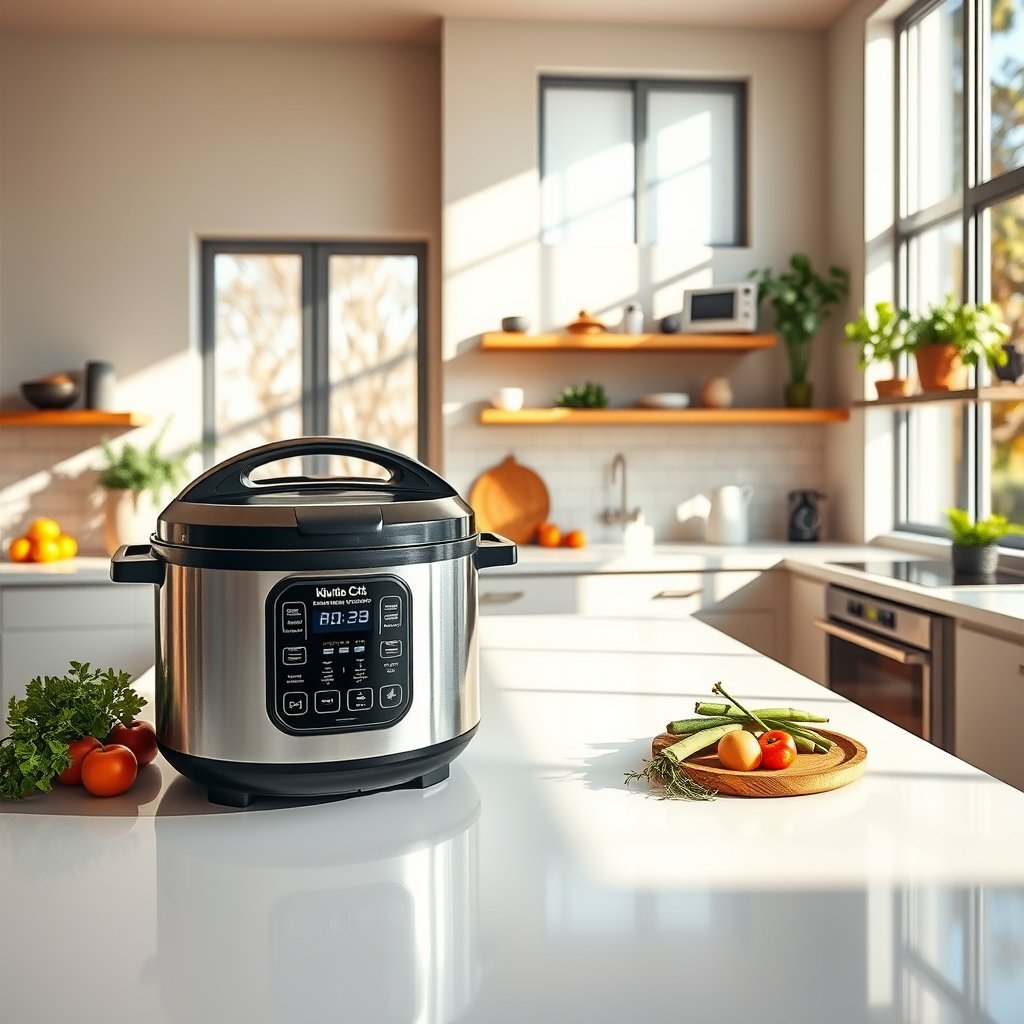
The core advantage of investing in a multi cooker slow cooker air fryer, or a multi cooker pressure cooker combo, is consolidation. Real-world data shows buyers use all-in-one appliances to replace 5–7 separate devices—including pressure cookers, slow cookers, rice cookers, and air fryers. This means immediate counter space savings and fewer storage hassles.
Upfront costs are usually less than buying several quality devices individually. In the best models, pressure cooking cuts energy use and cooking time versus traditional slow cooking—some recipes finish up to 70% faster.
But set realistic expectations: not every function will outperform a dedicated specialty device; the true win is pragmatic value—solid results, smart conveniences, and less kitchen chaos.
What to prioritize when choosing a multi cooker (feature checklist)
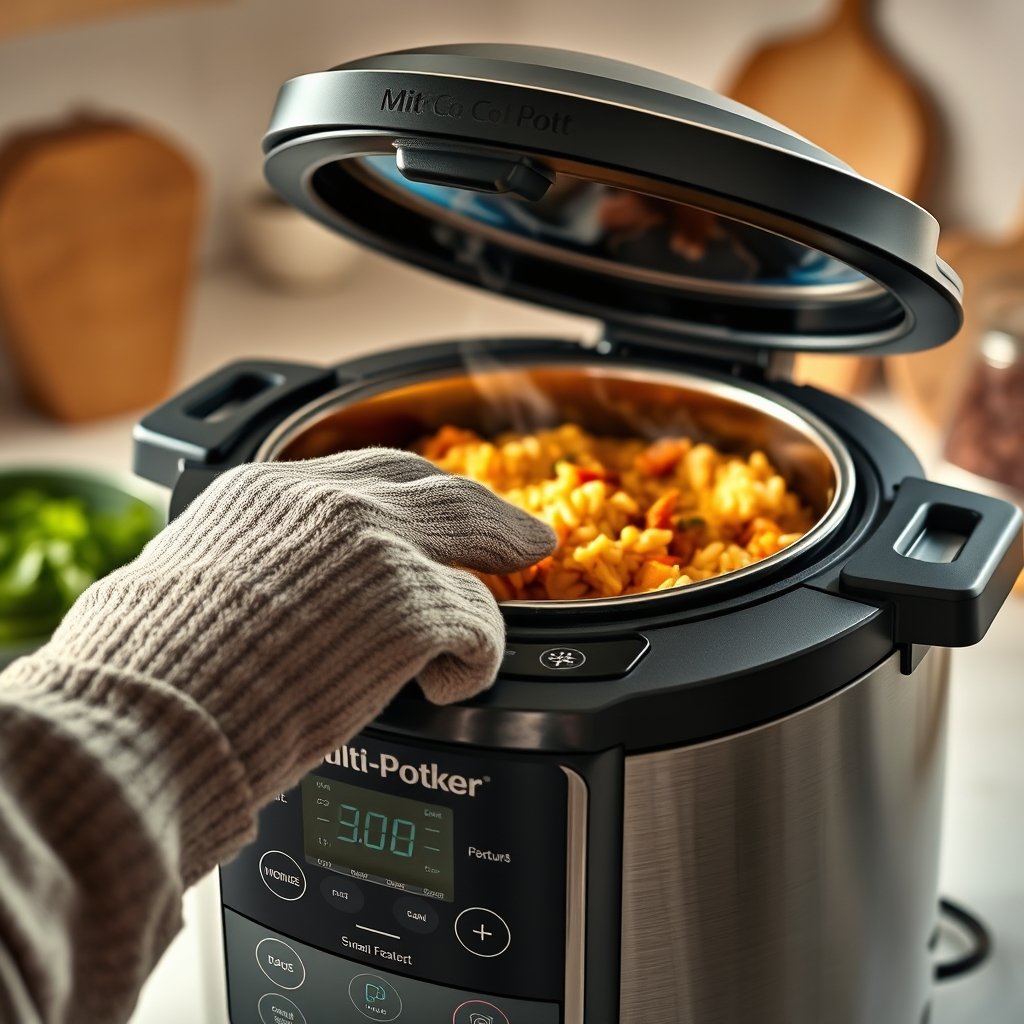
- Capacity: For busy couples or families, a 6 quart multi cooker 2026 is the most versatile. If you regularly cook for 4+, avoid anything smaller.
- Function count vs. function quality: All-in-one models with 10+ modes (including smart multi cooker WiFi) are popular, but check real results—look for strong pressure and air-fry/crisping performance.
- Lid/seal design and material quality: High-quality gaskets, easy-lock sealing, and replaceable rings are crucial for safety and lifespan.
- Heating element distribution: Models with browning/crisping or induction-style base outperform cheaper rim-heating designs, especially for air frying.
- Non-stick and accessories: genuine ceramic non-stick lasts longer and cleans easier than basic PTFE. Make sure trivets, racks, and crisping baskets are dishwasher safe.
- Smart features: Wi-Fi/app connectivity adds value for ongoing updates and remote monitoring, especially for hands-off slow cook days.
Don’t fall for just a long feature list—almost 44% of buyers select all-in-one units for their actual function quality, not just quantity. Authentic, repeatable core performance matters most.
The common complaints users report when replacing multiple appliances — and how to avoid them
Many new owners find themselves frustrated by a few recurring issues:
- Complex digital controls: Overly nested menus or icons that don’t match real cooking needs
- Sealing/pressure-release problems: Gaskets may fail, or pressure takes too long to build or release, risking both results and safety
- Uneven heating/crisping: Air-fry and crisping modes may yield soggy or uneven textures
- Cleaning headaches: Non-removable inner pots or cheap, non-stick coatings flake and stain
- Premature wear: Seals, lids, and coated parts may degrade early, forcing repairs or replacement units
To avoid these pitfalls, test digital navigation in-store, check user forums for consistent sealing feedback, and confirm accessories are easy to clean. If you’re unsure, request the brand’s warranty fine print and ask about replacement part availability.
For more on testing—and the limits of “appliance consolidation”—see our guide to portable air fryers.
Tests most reviews miss — what our hands-on guide adds
Too many buying guides focus on first-day performance. Here are three critical real-world tests most overlook—demand them before you decide, or run them yourself:
- Long-term durability cycles: Simulate at least 12 months’ worth of daily use, including pressure, sauté, and air-fry runs. Only a few brands survive this without leaks, stuck valves, or control failures.
-
Energy-use comparisons: Use a kilowatt-hour meter to compare typical recipes versus standalone slow cookers, pressure cookers, and ovens. Multi cookers often cut total kWh by up to 30–40%—if they’re well-designed.
(For deeper energy savings analysis, see the Consumer Reports multicooker guide.) - Noise/acoustic testing: Many air-fry, steam, or pressure modes are surprisingly loud (70+ decibels). Use a decibel meter (app or hardware) to log results during each mode.
When you shop, check whether reviews mention these metrics—if they don’t, treat their recommendations with caution.
How we (the editorial team) test — protocol readers can rely on
We run every multi cooker pressure cooker combo through a standardized set of repeatable, real-life trials—so you can trust our findings:
- Accelerated day-in, day-out durability cycles covering at least 12 months of simulated family use
- kWh metering for core recipes: rice, pulled chicken, lentil stew, air-fried potatoes, and sous-vide fish
- Maillard surface (crisp/browning) tests using pressure-then-air-fry cycles, measured against standalone air fryers
- Seal longevity: weekly inspections and water tests to monitor ring flexibility and steam loss
- Decibel readings at countertop height during each major cooking program, including keep-warm and air crisping
Our goal: Only recommend models that survive 12+ months’ abuse, maintain performance, and offer replaceable rings and pots. Where possible, we connect with brands about warranty coverage and access to consumable parts.
For readers researching a 6 quart multi cooker 2026, see our partner post on compact espresso machines for space saving picks that pass similar multi-year tests.
Real trade-offs — where an all-in-one wins and where a dedicated device still rules
| Task | Multi Cooker | Dedicated Device |
|---|---|---|
| Pressure cook stew or beans | Fast, energy-saving, auto timers | Often equal, but bulkier and single-mode |
| Air fry or crisp | Good for small batches | Top-tier texture for larger/frequent batches |
| Slow cook overnight | Works well; better with Wi-Fi/app alerts | Slightly more temperature control |
| Batch size (family/friends) | 6-quart: fits 4–6 servings, limit for parties | Pick XL models for big crowds |
| Cleaning | Easier, if removable inserts/accessories | Single-use, sometimes easier for sticky/sugary dishes |
Multi cookers are designed to replace 5–7 tools. You sacrifice some batch-crisping and sometimes nuanced controls, but gain counter space, lower energy bills, and fewer things to maintain.
Buyer’s decision flow — Which model fits you (capacity, budget, smart features)
- Household size: For couples and small families, a 6 quart multi cooker 2026 almost always delivers the best balance for daily meals.
- Cooking priorities: Want perfect crisping? Seek high-wattage heating elements and top-tier air-fry baskets. Need speed? Opt for proven pressure modes.
- Smart features: If you want remote monitoring or scheduling, the smart multi cooker WiFi category is a must. App-based models allow for firmware updates and recipe pushes.
- Warranty and replaceable parts: All-in-one units now account for 44% of smart model sales. Invest in those offering long warranties and replaceable rings to avoid future regret.
Match your selection to your actual daily needs. Consider borrowing or testing a friend’s before buying to validate which functions you’ll truly use.
Quick recipes and mode swaps that prove one unit can replace many (5-recipe demo)
- Pressure cooker chili: Brown 1 lb ground beef, add tomatoes/beans, and cook on pressure for 25 minutes. Natural release gives deep flavor in under 40 minutes.
- Slow-cooker pulled chicken: Add 3 chicken breasts, broth, BBQ seasoning. Slow cook 6 hours. Shred and serve.
- Sauté + air fry crispy potatoes: Cube potatoes, sauté in a little oil for 6 minutes, then switch to air fry mode for 12 minutes for a restaurant-worthy finish.
- Fluffy rice/steam: 2 cups rice, 2.5 cups water, steam program, 15 minutes. Use the included trivet for perfect grains.
- Sous-vide salmon: Set to 130°F, use the sous-vide mode for 40 minutes with pre-bagged fillets. Finish with a fast air fry for crispy skin.
Each recipe above uses only standard accessories (trivet, crisping basket). With practice, a Multi Cooker can handle most weekday meals and even take over basic holiday prep.
For more recipe inspiration and unconventional tricks (like air frying desserts), check our portable air fryer guide.
Top pitfalls in listings and competitor guides to call out (editorial red flags)
- Listings bragging about “15+ functions” without publishing real pressure sealing or crisping temperature data—this is fluff.
- Reviews omitting actual kWh usage (energy) or decibel readings (noise) in their tests.
- Short warranty periods (less than 1 year) or brands that hide or make it difficult to buy replacement seals and pots.
- No mention of long-term durability testing in reviews—is this tested for a month, or does it last a year under stress?
Many competitor buying guides skip these essential points. Treat such omissions as reasons to downgrade a model or look elsewhere.
For reliable advice on other compact appliances, see our tips on the best compact espresso machines.
Final checklist and recommended next steps (how to buy, what to test in-store/first week)
- At purchase: Inspect for durable seals, confirm easy-to-read controls and menu logic, demand at least a one-year warranty, and check availability of replacement pots/rings.
- First week at home:
- Run a water pressure test—make sure the lid seals quickly and safely releases pressure
- Sauté, then crisp potatoes—test browning and check for uneven heating
- Use a decibel app to log noise for pressure and air-fry cycles
- Test inner pot and accessory cleaning using sticky or cheesy recipes
- Log energy use on a smart plug during common recipes
- If you find faulty parts or unclear controls, contact support immediately
- Document accessory serials and save digital copies of your warranty
Remember: With U.S. multicooker sales at $2.5 billion and global growth continuing, investing in the best multi cooker all-in-one appliance reduces replacement costs and frustration if you focus on durability and true testing—never just feature lists.
FAQ
Is a 6 quart multi cooker 2026 big enough for a family of four?
Yes, 6 quarts suits most households and covers 4–6 servings of stew, rice, or protein. Larger families may need to size up.
Can one multi cooker really replace an air fryer, rice cooker, and slow cooker?
For most day-to-day cooking, yes. The newest multi cooker slow cooker air fryer combos handle rice, pressure cook, and air fry well—but texture on huge air fry batches may lag behind a standalone fryer.
Are smart multi cooker WiFi features really useful?
If you value remote monitoring, delayed timers, or auto recipe updates, Wi-Fi adds real convenience. If not, a classic digital model works fine.
How do I make sure the seals and nonstick coatings last?
Clean seals after each use, inspect for cracks monthly, only use plastic/wood utensils, and avoid steel wool or abrasive sponges on the inner pot.
What’s the most common part to replace—and is it easy?
The silicone sealing ring is the usual wear item. Top brands sell replacements online; swapping takes about a minute.