

### Blog Post:
Countertop Ice Maker solutions are the fastest, most cost-effective way for homeowners to replace a failed fridge ice maker—without buying a new refrigerator. If you need real numbers on noise, speed, durability, and running costs before making the switch, this straightforward guide is for you.
Key Takeaways
- Modern countertop ice maker models can produce 30 to 44 lb of ice per day—matching or exceeding most built-in fridge makers.
- Noise and durability are the most common homeowner complaints; expect operating noise from 43 dB up to 60 dB and read reviews for reliability insights.
- Energy use for efficient nugget machines is roughly 1 kWh per 8 hours; hopper insulation, first-batch speed, and warranty coverage matter when replacing a built-in.
- Why Choose a Countertop or Under-Counter Ice Machine Instead of Replacing the Fridge
- Step-by-Step Guide: How to Replace Your Built-In Icemaker with a Countertop Solution
- Advanced Analysis & Common Pitfalls: Noise, Ice Quality, Durability
- Conclusion: Making the Best Choice for Your Home
- FAQ: Homeowner Questions About Countertop Ice Makers
Why Choose a Countertop or Under-Counter Ice Machine Instead of Replacing the Fridge
Replacing a fridge just because its ice maker died rarely makes sense. A modern countertop ice maker or an under counter ice machine kitchen install is the smarter move for most homeowners. Why? You skip the massive expense and hassle of a full appliance swap, get a tool designed just for ice, and choose portability or a permanent under-cabinet fix to match your kitchen.
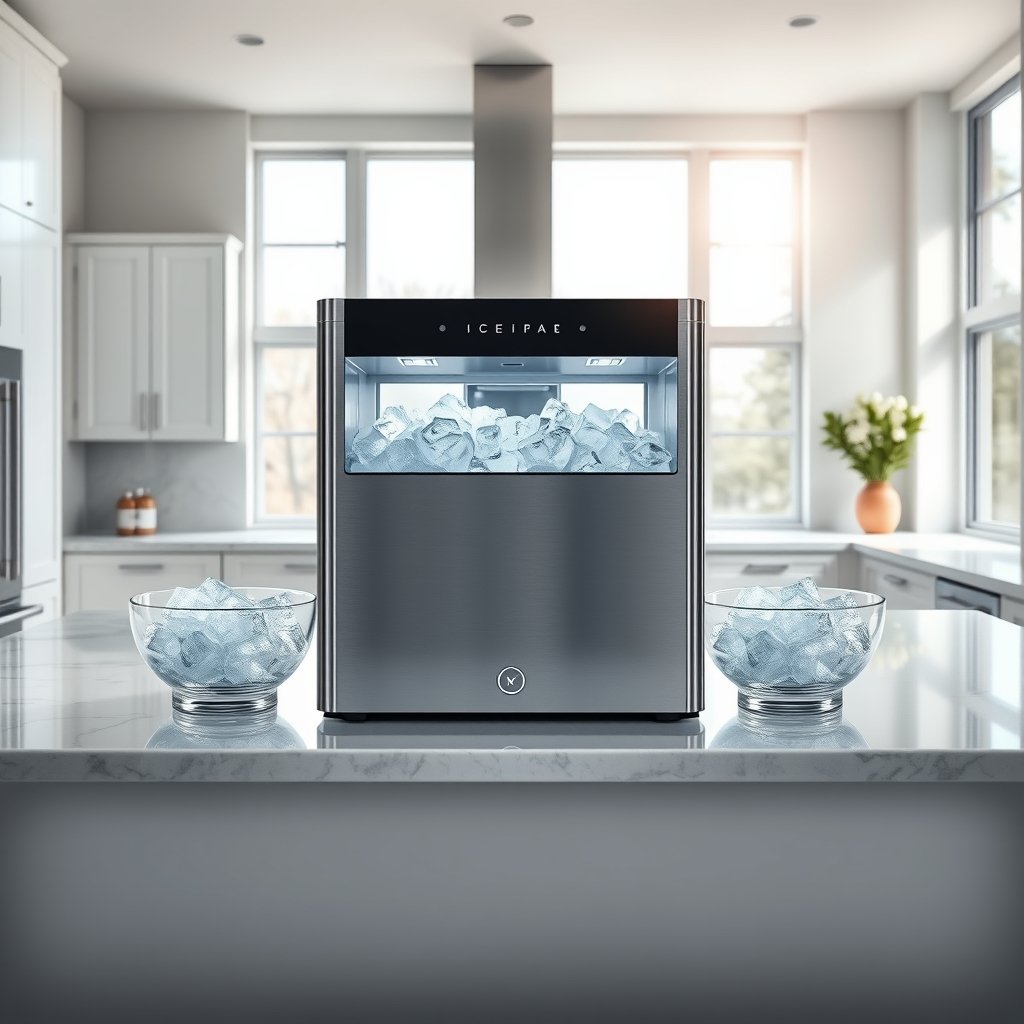
Countertop ice maker capacities typically meet or beat built-in units. Leading nugget countertop models can produce about 30 to 44 lb per day (for example: EUHOMY ≈ 30 lb/24 h, Silonn ≈ 44 lb/24 h, GE Opal 2.0 ≈ 1.5 lb/h ≈ 36 lb/day) according to consumer reviews and 2024 model testing—enough for most families or entertaining. Installation is simpler: plug it in, fill with water, and you’re set. Portability means you can bring the unit to the patio for parties or store it off season, unlike a built-in. Under-counter models fit right into your kitchen and connect to plumbing for higher volumes. Both offer focused, dedicated ice-making that’s usually easier to repair than a fridge-ice system.
In short: If you only want reliable ice without spending on a new refrigerator, today’s countertop or under counter ice makers are practical and effective replacements.
Step-by-Step Guide: How to Replace Your Built-In Icemaker with a Countertop Solution
- Assess your ice needs realistically: Daily use for drinks? Large gatherings or just restocking a cooler? Models range in capacity—typical home use is well served by machines producing 30–44 lb/day.
- Choose between countertop or under-counter: Countertop models offer plug-and-play ease; under-counter ice machine kitchen installations require measuring space, access to water and drain lines, and possibly minor cabinetry work.
- Compare key specs: Look for bin size (how much ice is held before melting), listed dB rating for noise, daily lb/day output, and energy usage (kWh/hour).
- Review real-world owner feedback: Read portable countertop ice maker reviews for noise complaints, run-in issues (first batches thin/watery), melting in hoppers, and how frequently people report breakdowns or early failures.
- Check maintenance and warranty details: Prioritize models with clear cleaning instructions and at least a 1-year warranty—preferably with live or rapid-response support options.
- Test or evaluate noise and fit before you commit: If possible, visit a store to hear the machine live (some sound like running dishwashers), and measure the actual spot (width, height clearance) where you plan to keep it.
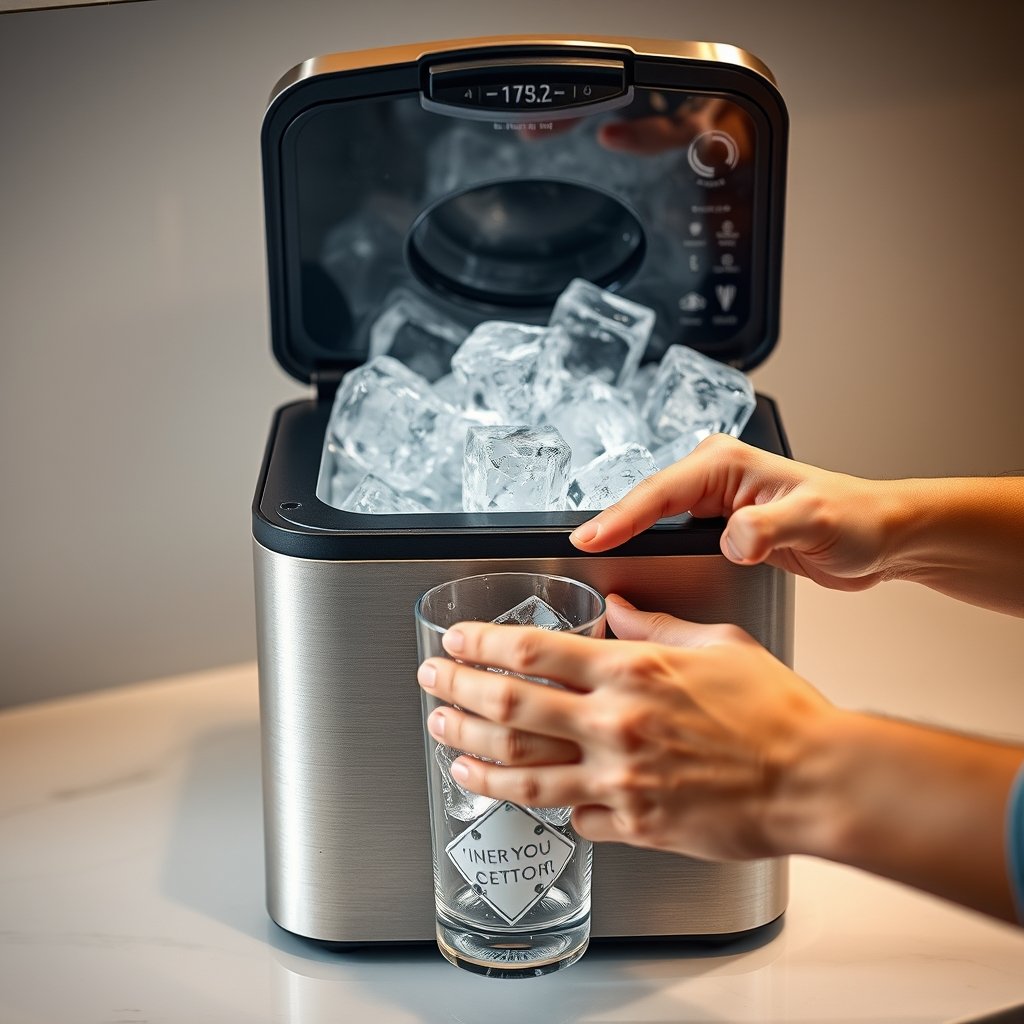
Another quick shortcut: While you’re shopping, use a decibel meter app to check typical kitchen appliance noise (stand right at the dishwasher, then at the fridge compressor as it runs) for context—then compare this to the ice maker’s dB ratings to understand what “43 dB” or “55 dB” will really sound like in your space.
If you often entertain or have an outdoor kitchen, consider moving the ice maker outdoors on party days or integrating it into a multi-appliance setup alongside a portable air fryer or multi cooker for maximum convenience.
Advanced Analysis & Common Pitfalls: Noise, Ice Quality, Durability
Let’s get real: Not every countertop ice maker is equal, and there are key pitfalls to watch out for. Here’s what consumer reviews and testing show for 2024:
- Noise: Portable countertop ice maker reviews repeatedly cite noise as a sticking point. Units range from about 43 dB (VIVOHOME) to just under 50 dB (EUHOMY), but higher capacity or poorly insulated models may hit 55–60 dB. For context, 50 dB is like a normal conversation; 60 dB approaches dishwasher or background office noise. Dropping ice can add noticeable clatter (America’s Test Kitchen).
- First-batch and run-in issues: Many units produce poor quality ice at first—watery, small, or slushy nuggets. Don’t be alarmed if your first 3–5 cycles disappoint. Models like the Frigidaire and Opal series are specifically called out for needing a “warm-up” period (CNN Underscored).
- Durability: Several popular models show reports of motor or compressor failure within months—sensor issues or breakdowns can occur, and service can be slow. EUHOMY, for example, offers ETL certification and a 1-year service promise, but manufacturers’ service may be inconsistent (Wirecutter).
- Ice melting in hopper: Even the best nugget ice maker home models can let ice melt too quickly if hopper insulation is poor. Some users layer a towel to slow melting, or periodically transfer finished ice to the freezer.
- Energy use: Efficient units consume about 1 kWh over 8 hours of active ice making (~0.125 kWh/hour); GE Opal draws closer to 0.15 kWh/hour in active mode. At $0.13/kWh, expect roughly $4–$5/month running cost for average household use.
| Model | Output (lb/day) | Reported Noise (dB) | Energy Draw (kWh/hr) |
|---|---|---|---|
| EUHOMY Nugget | ≈ 30 | <50 | ~0.12 |
| Silonn Nugget | ≈ 44 | 50–55 | ~0.13 |
| VIVOHOME | ≈ 33 | ~43 | ~0.11 |
| NewAir Nugget | ≈ 38 | Up to 60 | ~0.13 |
| GE Opal 2.0 | ≈ 36 | ~50 | ~0.15 |
Consensus from Consumer Reports and verified reviews: If noise sensitivity, first-batch time, or breakdown risk is a dealbreaker for you, don’t expect perfect results from any countertop ice maker—but you can minimize the risk by looking for models with ETL/UL certification, strong support reputations, and published dB specs. Remember, quieter machines are often a better fit for open-plan kitchens or home offices.
For more kitchen appliance guides, check out our proven strategies in Compact Espresso Machine, Portable Air Fryer, or Multi Cooker reviews.
Conclusion: Making the Best Choice for Your Home
The best path to restoring daily ice production is almost never buying a new fridge—it’s choosing the right countertop ice maker. Use the key numbers: daily output of 30–44 lb, measured noise in the 43–55 dB range, real warranty, and ease of cleaning to guide your purchase. Accept that even a great unit may need a week of run-in and careful maintenance for top performance. For most homes, a portable ice maker will deliver chill drinks for years—if you invest in a proven, support-backed model. Upgrade your kitchen’s capability today and skip the headache of major appliance replacement.
Start comparing countertop ice maker options now to find the best fit for your home ice needs—and don’t settle for second-rate specs!
FAQ: Homeowner Questions About Countertop Ice Makers
How loud will my countertop ice maker be in normal use?
Most models operate between 43 dB and 60 dB. 43–50 dB is like a quiet fridge or soft conversation; higher output models can sound like a running dishwasher, especially during ice dropping. If you want a quiet countertop ice maker, check published specs and listen in-store if you can.
How much ice and how quickly can I expect from a leading unit?
Top countertop ice maker nugget ice machine models produce 30–44 lb/day. Expect first batch after 7–20 minutes, but first 3–5 batches may be smaller or wetter as the internal temp stabilizes.
What are the most common failure points or maintenance issues?
Portable countertop ice maker reviews show durability concerns: early failures with compressors, motors, or sensors within months for some units. To avoid trouble, buy models with 1-year warranty and clean monthly using vinegar or the machine’s self-clean mode for best longevity.
How much does it cost to run a home ice maker daily?
Efficient nugget machines use about 1 kWh over an 8-hour period, or roughly 0.125 kWh/hour. GE Opal is closer to 0.15 kWh/hour during active production. On average, running costs are $4–$5/month for normal household use, based on typical energy rates.
Will the ice melt quickly in the hopper? What can I do about it?
Even top nugget ice maker home models have some melt in the bin if unused for hours. For best results, transfer finished ice to a freezer if you need it to last, or lay a towel over the hopper (don’t block vents) to slow melting on hot days. Models with better hopper insulation perform best in warm kitchens.
—