

Pour Over Coffee Machine technology has closed the gap between café perfection and home convenience, offering specialty-shop flavor with less effort and more repeatability than ever. If you want bright, clean cups at home without the stress of manual technique, you’re in the right place.
Key Takeaways
- Top-tier automatic pour over machines deliver café-like consistency, maintaining a tight TDS window (1.20% ± 0.02%) and optimal brew temps (195–205°F) through advanced water delivery and bloom control.
- Cleaning complexity and limited tweakability are the most common home user pain points—opt for easy-release brew chambers and programmable features.
- Look beyond marketing: focus on specs like PID temperature regulation, multi-zone showerheads, weight-based dosing, and self-clean or descaling cycles for the best long-term experience.
- Why automatic pour over machines now rival manual café pours
- How to tune your machine: Step-by-step guide
- Advanced analysis, pitfalls, and troubleshooting
- Conclusion
- Frequently Asked Questions
Why automatic pour over machines now rival manual café pours
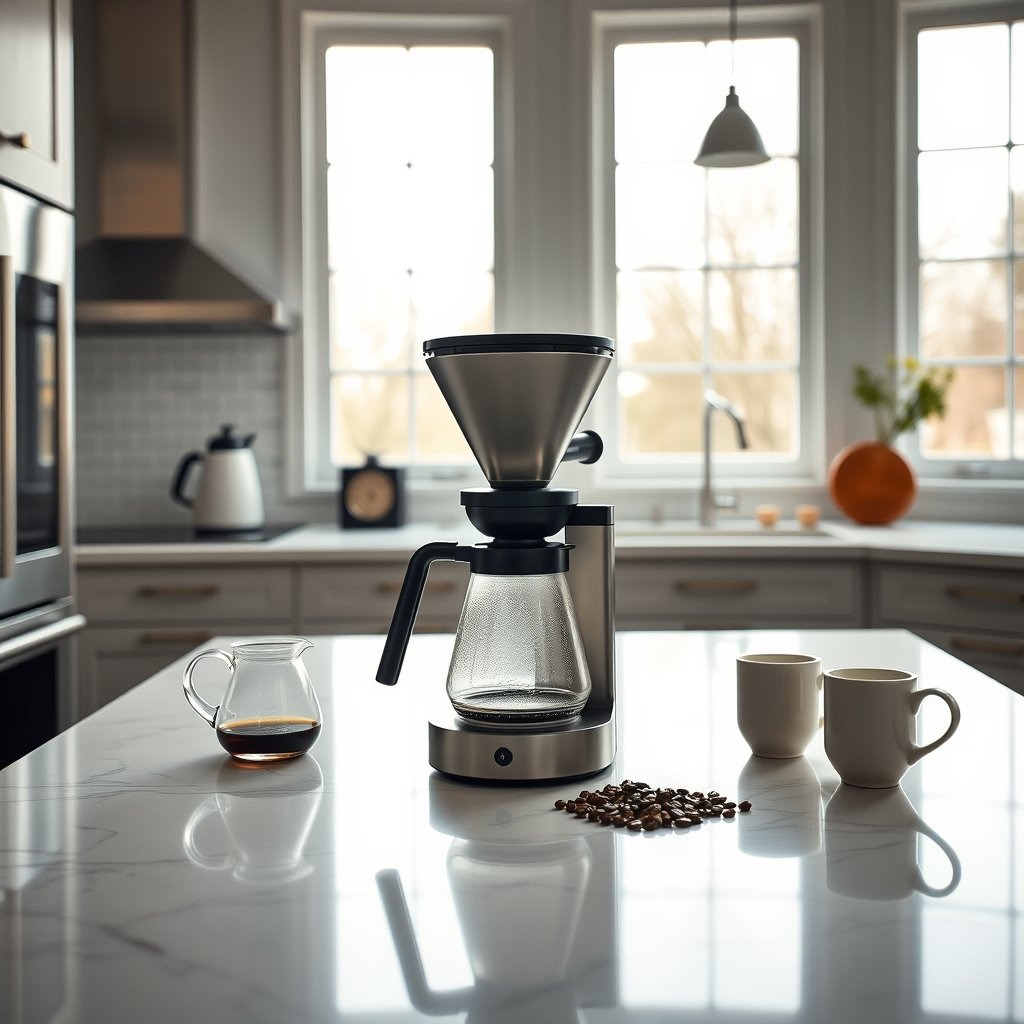
The best automatic pour over coffee maker home units today are engineered to mimic the precision of barista pour techniques. Stable brew temperatures (195–205°F), pulse-modulated showerheads, and programmable bloom phases allow these machines to extract coffee with clarity and consistency that was once limited to the specialty shop. According to 2024–2026 research, “Top-tier automatic pour over brewers achieve a tighter TDS window—typically 1.20% ± 0.02%—by maintaining 195–205°F and using pulse-modulated showerheads and programmable bloom periods.” This means the standout models don’t just automate—they replicate café results, minimizing user error and cup-to-cup guesswork. If you’re using a Pour Over Coffee Machine, you can expect reliable flavor and nuanced acidity, not just automation for its own sake.
How to tune your machine: Step-by-step guide
- Dial in the grind and ratio. Start with a medium grind and a 1:16 coffee-to-water ratio. Weigh beans for accuracy if your machine supports it. Dose-by-weight is ideal for single origin.
- Set water temperature. For most beans, aim between 197–203°F. If your Pour Over Coffee Machine has PID control, confirm your setting matches reality (use a thermometer or built-in TDS/strength feedback if available).
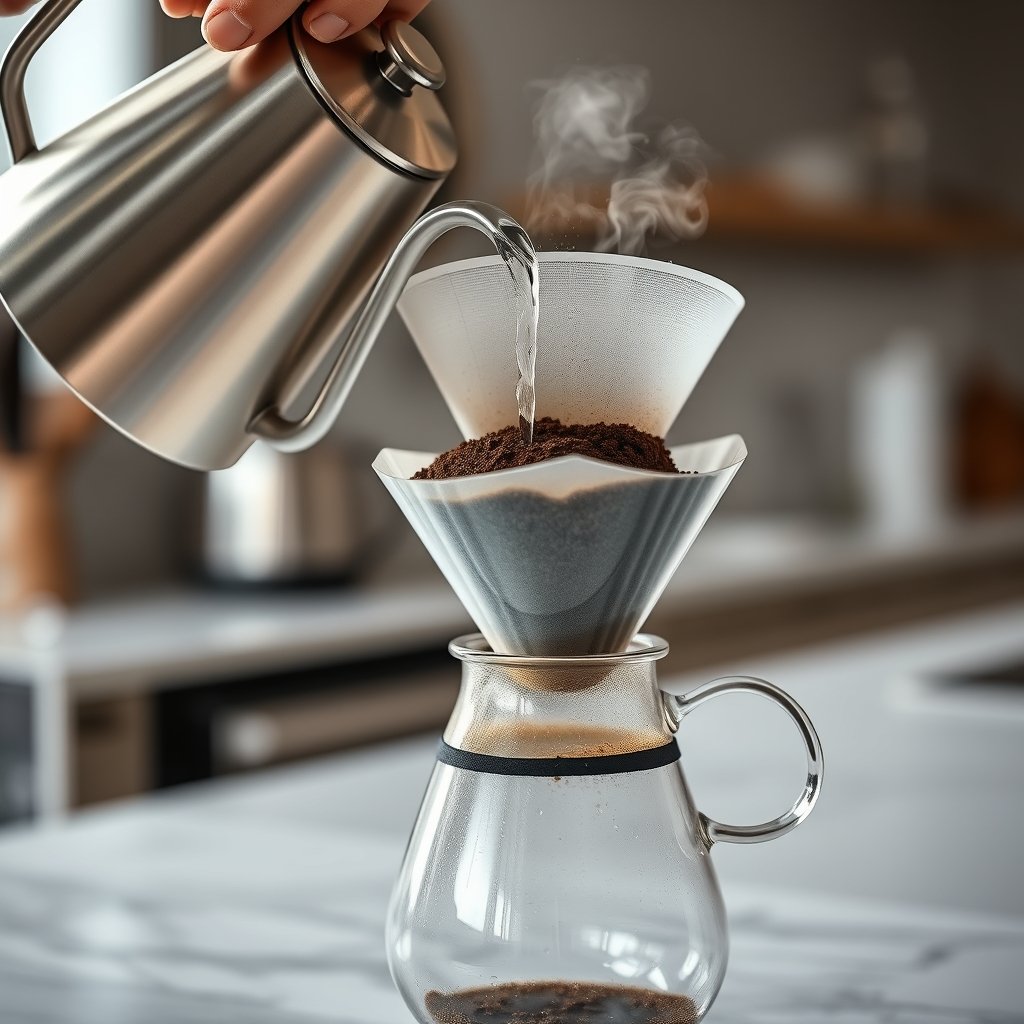
- Program bloom and flow pattern. Use programmable pre-infusion/bloom when possible (try 30–50 seconds for fresh single-origin beans). Adjust pulse frequency so water circulates, not channels.
- Run a test brew. Taste and, if possible, Measure TDS (target 1.20% ± 0.02%). Adjust grind finer/coarser, or modify bloom/flow time to increase or decrease extraction as needed.
- Clean up. Immediately rinse or use your machine’s self-clean cycle after brewing to prevent oil residue and reduce required deep cleaning later. Refer to the maintenance section for specifics.
Template Recipes for Beginners
- Classic Single-Origin: 22g coffee, 350g water (1:16), medium-fine grind, 97°C, 40s bloom, pulse flow 3x per brew, total brew time 4:00 minutes. Target 1.20% TDS. Check for even saturation.
- Bright and Fruity: 18g Ethiopian beans, 300g water, medium grind, 94°C, 50s long bloom, slower flow profile. Brings out citrus for lighter roast aficionados.
- “Set and Forget” Everyday: 20g generic beans, 320g water, medium grind, 98°C, 30s bloom. Use default cycle on best pour over coffee machine 2026 models that have self-adjusting water flow.
Quick Calibration Checklist
- Measure TDS after brewing; confirm it sits at ~1.20% (± 0.02%).
- Check the temperature mid-brew using an external thermometer for accuracy.
- Clean the mesh filter and drip plate as per the maintenance section to avoid taste contamination.
For more on brew ratios and adjustments, check our Compact Espresso Machine guide.
Jump to Pitfalls & Troubleshooting →
Advanced analysis, pitfalls, and troubleshooting
Modern automatic pour over machines are not perfect. Key pain points include cleaning complexity, limits of manual control, and batch-to-batch flavor drift due to temperature/sensor issues.
According to synthesized 2024–2026 research, “Home users most frequently cite (1) cleaning complexity—metal mesh filters/drip plates retain oil residues; (2) limited/manual controls—fixed or coarse pre-infusion and bloom settings leading to perceived flatness; (3) occasional temperature drift or sensor calibration issues causing subtle batch-to-batch taste shifts.”
Side by side, pour over vs drip coffee machine studies show that automatics (1.20% ± 0.02% TDS) trade off a small fraction of top-end extraction and subtle flavor notes for unmatched consistency, where manual can achieve 1.25–1.35% TDS but only with meticulous technique and more risk of over- or under-extraction.
| Feature | Automatic Pour Over | Manual Pour Over |
|---|---|---|
| TDS (Total Dissolved Solids) | 1.20% ± 0.02% | 1.25–1.35% (more variable) |
| Temperature control | PID, steady 195–205°F | Manual, often fluctuates |
| Bloom/pre-infusion | Programmable (on top models) | Total user control |
| Flavor nuance | Bright, balanced, repeatable | High — but depends on skill |
| Cleaning need | High, esp. mesh filters | Simple, fast rinsing |
| Skill Required | Low-Medium | High |
| Maintenance | Descale, sensor check, filter clean | Rinse |
| Best for | Consistency, ease | Experimentation, max nuance |
Most articles ignore real-world problems like cleaning mesh filters (which trap oils and need weekly deep-cleans or else flavor suffers), keeping up with descaling to prevent bitterness, and sensor drift. Choose machines with self-clean cycles and easy-release brew chambers—top pour over machine for beginners models highlight these as non-negotiable for long-term satisfaction.
Don’t overlook maintainability costs. Replacement filters and routine descaling are the real costs of ownership. For budget-focused buyers, check out our Multi Cooker buying guide for broader small appliance savings tips.
Top Troubleshooting & Calibration Steps
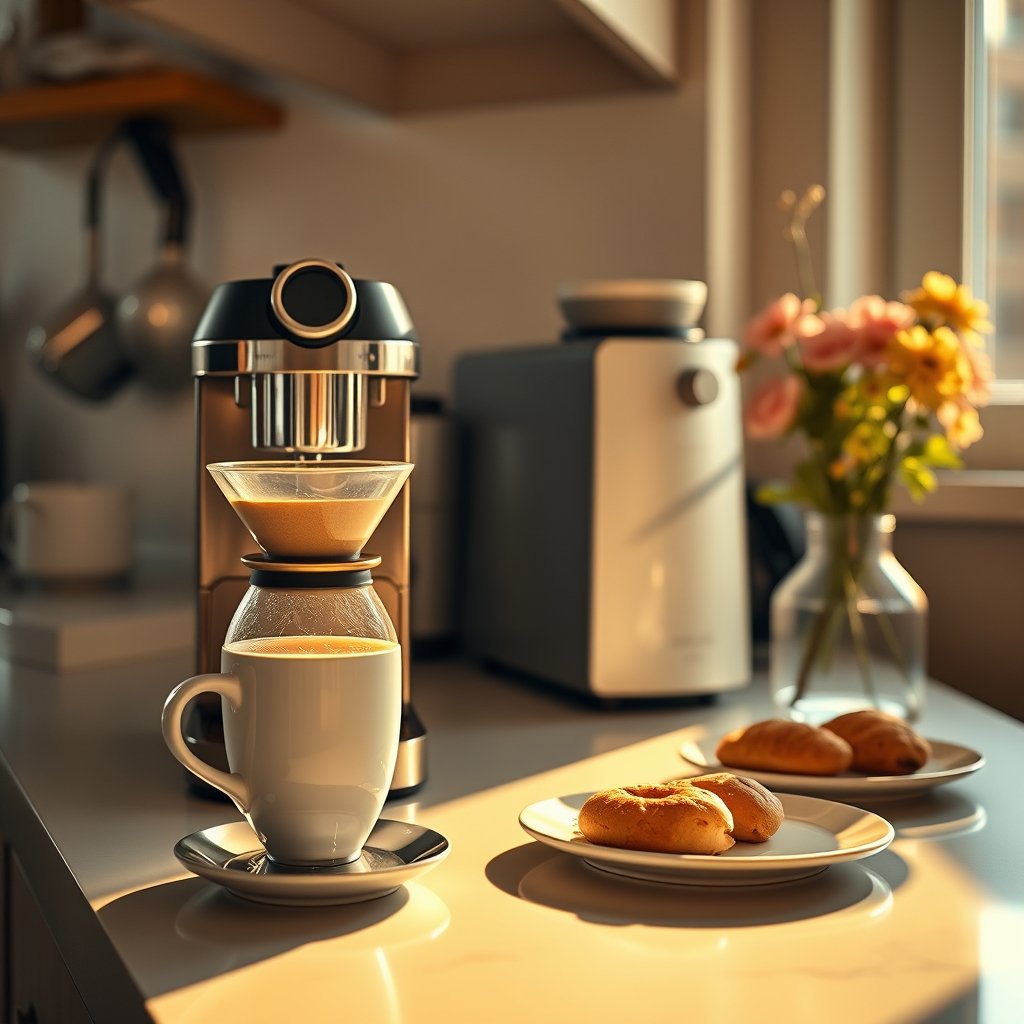
- Always verify water temperature with an external thermometer at least monthly—PID sensors can drift, causing batch-to-batch flavor shifts.
- Monitor TDS every few brews; adjust grind or ratio if extraction slips outside 1.20% ± 0.02% window.
- If coffee tastes flat or hollow, extend bloom or set a slower flow pattern (if possible). If bitter, clean filters thoroughly, or check for limescale buildup impacting temperature.
- Machines with built-in TDS/strength feedback and dose-by-weight grinders simplify calibration. Invest in these specs for less hassle, especially if daily coffee time is short.
Want more appliance troubleshooting? Compare with our Countertop Ice Maker reliability guide or get tips from the Portable Air Fryer compact solutions article.
For further research, see this excellent guide to automatic pour over coffee makers.
Conclusion
A Pour Over Coffee Machine can now deliver the taste clarity and consistency once reserved for specialty cafés. By focusing on critical specs—PID temperature regulation, precise water delivery, adjustable bloom, and easy maintenance—you’ll get the very best out of single origin beans with minimal daily effort. If café-quality flavor, repeatability, and practical upkeep matter most, a top automatic is worth the upfront investment.
Ready to upgrade your routine? Review the buyer’s checklist above and pick the best pour over coffee machine 2026 model to fit your goals. For specialty espresso fans, check out our Compact Espresso Machine comparison.
Frequently Asked Questions
What makes a pour over coffee machine different from a drip machine?
Modern automatic pour over machines use pulse-modulated showerheads and programmable bloom to mimic a barista’s pouring pattern, delivering more even saturation and brighter flavor compared to standard auto-drip, which uses steady, less precise water flow. See this detailed pour over vs drip coffee comparison.
How often do I need to clean my automatic pour over coffee maker?
Do a daily rinse of the carafe and basket, a weekly deep clean of the mesh filter and drip plate, and monthly descaling (or use the built-in self-clean cycle if your machine supports it). This keeps oils and minerals from building up, protecting both taste and lifespan.
What is the ideal water temperature for brewing on an electric pour over kettle brewer?
Between 195–205°F (90–96°C) is optimal. Automatic machines with PID temperature regulation hold this window for consistent extraction. For best results, measure occasionally with an external thermometer.
Why does my automatic pour over coffee taste flat sometimes?
Flat or hollow flavor can result from short bloom time, stale beans, or oil build-up on filters. Try extending bloom, cleaning filters more thoroughly, and verifying temps. Also, check that programmable controls are set correctly; default cycles may not suit every bean.
Are there truly low-maintenance automatic pour over machines?
The best 2026 models use easy-release brew chambers and automatic self-clean cycles, reducing manual effort. However, all still require regular filter cleaning and descaling to consistently deliver high-end flavor.