

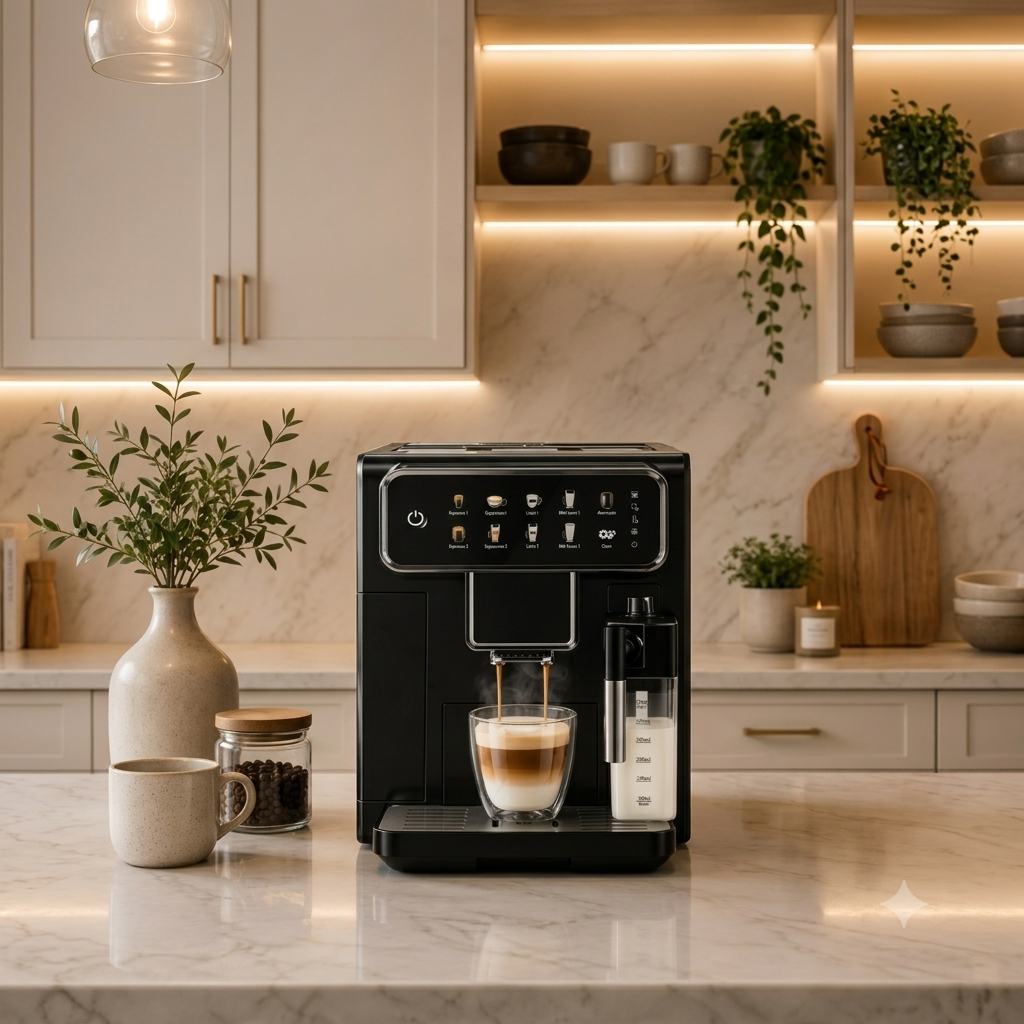
Compact Espresso Machine buyers want the best café-quality espresso without crowding tiny counters or making daily life harder. This realistic guide will show you exactly what matters, what sacrifices you’ll really make, and which compact machines prove themselves in cramped apartments—based on hard specs, expert reviews, and real user tradeoffs.
Key Takeaways
- True compact espresso machines fit on 24-inch shelves and prioritize quality parts, but smaller footprint often means quicker tray fills quickly and more frequent refills.
- Boiler thermal mass, pre-infusion/pressure profiling, and long-term serviceability are essential features—don’t overlook them for size or looks alone.
- A few models—Breville Bambino Plus, Gaggia Classic Pro, Lelit Mara X—consistently deliver café-quality shots with minimal countertop impact.
- Why “compact” should mean more than small footprint
- Leading compact espresso machines (specs you can trust in 2026)
- Quick “who this machine is for”—match machine to apartment use-cases
- Real apartment/countertop problems buyers don’t expect
- The 3 critical features most top articles overlook (and why they matter)
- How to evaluate “café-quality extraction” at home (3 quick tests)
- Buying checklist for apartment dwellers (the decision matrix)
- Top compact picks (shortlist + one-sentence verdicts)
- Space-saving accessories and setup tips for crowded counters
- Aftercare, serviceability, and long-term ownership (what to check before buying)
- Short FAQ
Why “compact” should mean more than small footprint
“Compact” isn’t just a word—the right compact espresso machine must fit physically and functionally in small apartments. That usually means a width under 10 inches, a depth that doesn’t push past your counter’s edge (under 13 inches ideally), and a height short enough to open reservoir lids under overhanging cabinets (less than 14 inches is realistic).
But here’s the real tradeoff: smaller machines trim drip tray capacity, shrink water tanks (expect 1.1-1.4 liters), and sometimes compromise boiler size or material—influencing your temperature stability and espresso quality. For example, the Breville Bambino Plus is only 7.6 inches wide yet its tray fills quickly and its reservoir runs dry sooner than you’d expect, while slightly wider machines like the Gaggia Classic Pro offer more thermal mass and larger tanks but may still squeeze under 10 inches wide.
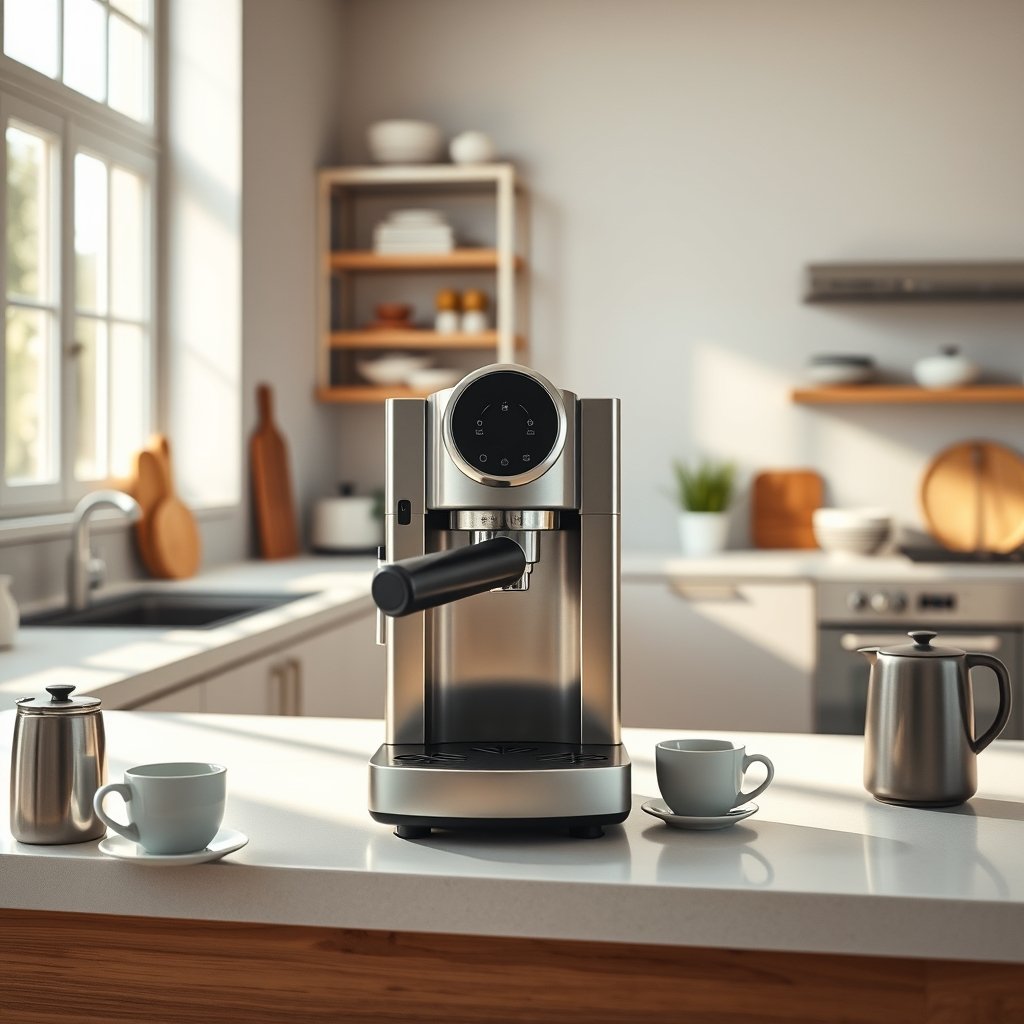
Ultimately, “compact” should mean apartment-proven: fits a 24-inch shelf, tucks away behind doors, and makes no compromise on true espresso extraction. Don’t accept anything less than verifiable specs.
Leading compact espresso machines (specs you can trust in 2026)
Here are the proven options real apartment dwellers and home baristas use, all with exact dimensions, pumps, and standout features (and the three neglected columns highlighted):
| Model | Dimensions (W x H x D) | Weight | Pump Pressure | Portafilter Size | Water Tank | Boiler Material | Pre-Infusion/Pressure Profiling | Serviceability | Key Benefit |
|---|---|---|---|---|---|---|---|---|---|
| Breville Bambino Plus | 7.6″ x 12.2″ x 12.5″ | 11 lb | 15 bar Rotary Pump | 54mm | 1.4 L | Stainless Steel | Automatic Pre-Infusion | Good parts access | Smallest true café-quality on narrowest shelf |
| Gaggia Classic Pro | ~9.5″ x 13.5″ x 12″ | 16 lb | 15 bar Pump | 58mm | 2 L | Brass | Manual Pre-Infusion | Excellent; easily repairable | Pro extraction, best for enthusiasts in little space |
| Lelit Mara X | ~9.5″ x 14″ x 13″ | Approx. 25 lb | 15 bar HX System | 58mm | 2.5 L | Stainless/Brass HX | Adjustable Pre-Infusion | Serviceable, prosumer support | Prosumer PID & heat stability, fits standard shelves |
| De’Longhi Dedica EC680 | 7″ x 13.5″ x 12″ | 12 lb | 15 bar Pump | 51mm | 1.1 L | Aluminum Thermoblock | No true pre-infusion | Limited; budget-focused | Budget ultra-slim for smallest kitchens |
Don’t forget: Adding a grinder usually adds at least 5 inches width, so a separate Electric Coffee Grinder keeps your main unit slim (source).
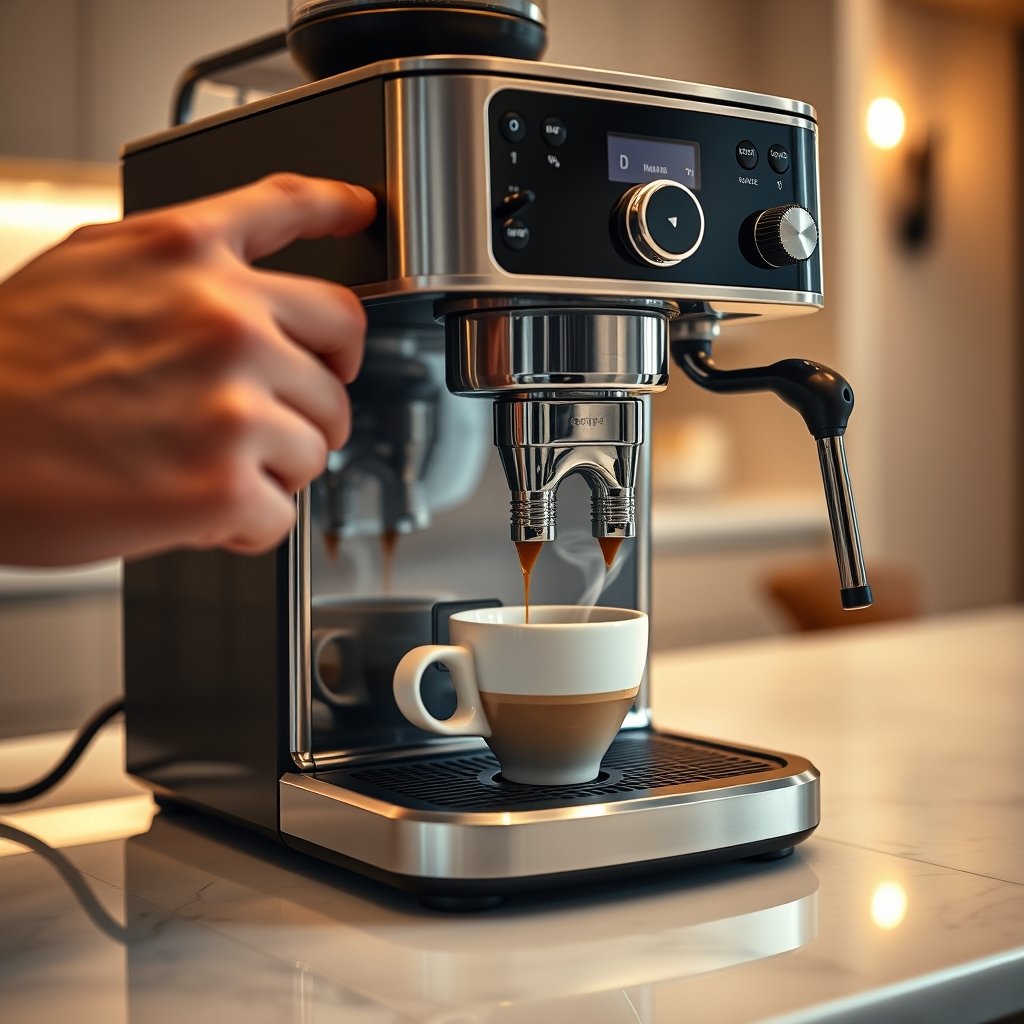
Each model has natural tradeoffs:
- Bambino Plus: Tiny footprint, best for true minimalists but smaller tray/tank needs more frequent attention.
- Gaggia Classic Pro: Slightly larger but excels for enthusiasts wanting manual control, real pre-infusion, and a 58mm portafilter in compact form.
- Lelit Mara X: True prosumer performance with PID in a footprint still fitting most standard apartment shelves.
- Dedica EC680: Narrowest budget option; extraction and build are more limited but fits almost anywhere.
Dig deeper in Compact Espresso Machine: 7 Amazing Ways to Achieve Cafe-Quality Shots (Proven Guide) or see our Single Dose Coffee Grinder guide for keeping setups genuinely compact.
Real apartment/countertop problems buyers don’t expect
User complaints are remarkably consistent. Even the best compact espresso machine for home use can frustrate if you’re not prepared for these real-world tradeoffs:
| Pitfall | How It Affects You | Mitigation Tip |
| Tiny drip tray fills fast | Expect to empty after every few shots. Missed tray overflow ruins counters | Place a water sensor or absorbent mat under the tray. Empty tray with each use |
| Small water tanks (1.1-1.4L) | Frequent refills, especially with guests or milk drinks | Keep a filtered jug at hand for quick top-off |
| Noise/vibration | 15-bar vibrating pumps shake cups, disturb housemates, and may “walk” machines sideways | Use a thick silicone or cork mat designed for vibration damping |
| Limited steam wand power | Microfoam for small cappuccinos works but can struggle with larger jugs and repeated back-to-back drinks | Froth milk in two smaller batches; avoid large jugs on tiny machines |
| Low cup clearance | Tall mugs may not fit under the group head; expect splashes | Preheat espresso cups and use espresso-only sizes for daily use |
| No built-in pressure gauge | Harder to dial in precise extraction, especially if upgrading to single-origin/lighter roasts | Use a bottomless portafilter and measure shot time as a proxy for pressure/flow |
Note: These small espresso machine countertop drawbacks are why smart prep—right gear, workflow, and expectation—matter. For a quieter or less messy experience, pair with a good grinder and mat. See practical setup tips below and check Multi Cooker: 7 Best Ways to Save Counter Space (Proven Guide) for more small appliance strategies.
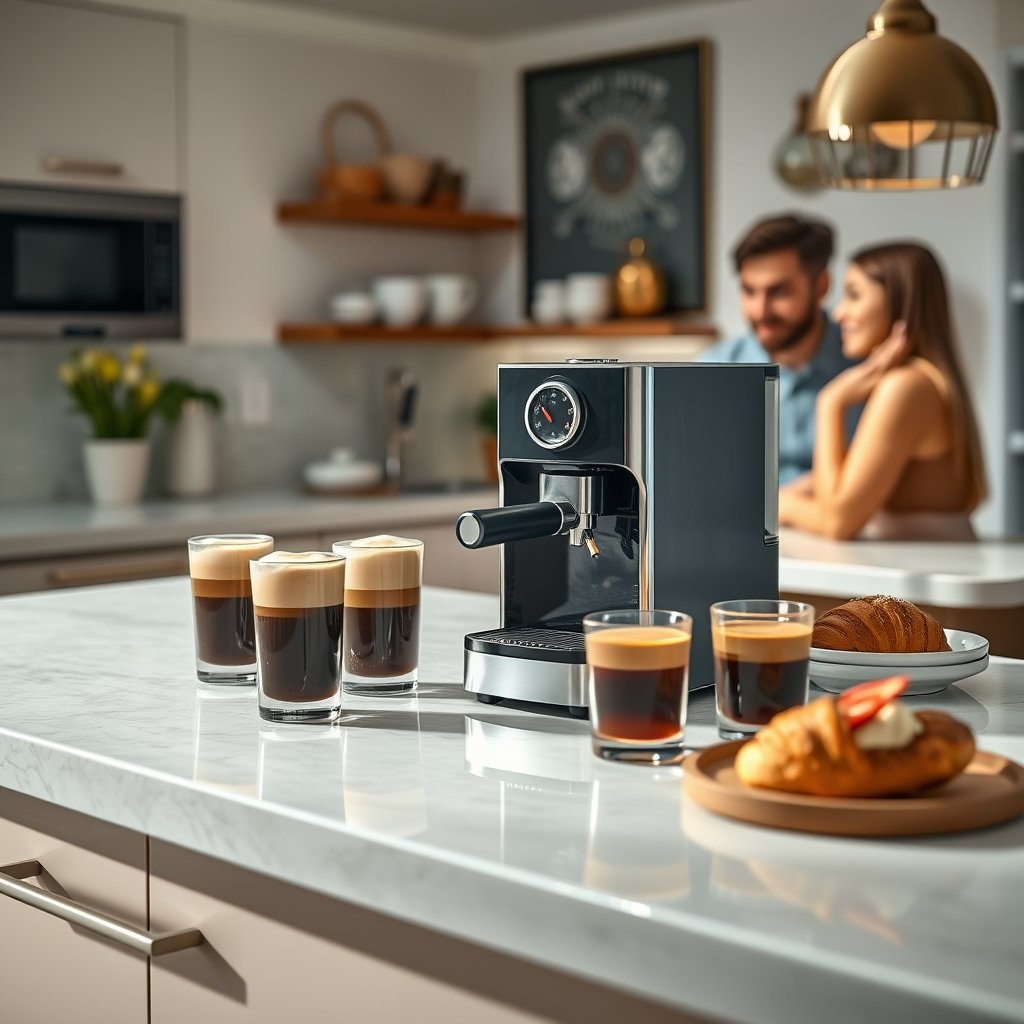
Top compact picks (shortlist + one-sentence verdicts)
- Best ultra-compact for space: Breville Bambino Plus – Fits even the slimmest 24-inch shelf (7.6″ wide), delivers café-quality espresso and auto milk frothing but requires frequent emptying.
- Best compact prosumer for café shots: Lelit Mara X – If you want PID-stable temperature, pro-level steam, and parts support in the smallest possible real espresso package, this is it.
- Best budget/slim option: De’Longhi Dedica EC680 – At just 7″ wide, it’s a mini espresso maker apartment staple (if you can accept some sacrifices on brew temp and wand power).
Remember, the Countertop Ice Maker: 7 Best Ways to Get Reliable Ice Fast (Proven Guide) and Portable Air Fryer: 7 Best Ways to Maximize Space (Proven Guide) can further help you optimize your apartment counter without overlap.
In summary, choose the Compact Espresso Machine that fits your everyday workflow and has real serviceability—otherwise even the smallest unit will feel like a burden. Ready to make the jump? Measure your space, pick your model, and unlock consistently great shots at home.
Short FAQ
Can a compact machine make proper microfoam?
Yes, machines like the Bambino Plus and Lelit Mara X can make true microfoam for one or two drinks at a time. On mini espresso maker apartment models, expect to work with smaller milk jugs and sometimes froth in batches.
How noisy are compact 15-bar pumps?
Most compact espresso machines use vibrating pumps, which mean noticeable noise and mild vibration—enough to rattle cups or move the machine on slick counters. A silicone pad helps dampen this.
Is a 54-mm portafilter acceptable, or do I need 58 mm?
58-mm portafilters offer more headroom for dialing shots, but 54-mm (like Bambino Plus) can still deliver excellent results at home. For true home barista espresso machine upgrades, 58 mm is ideal but not a must-have for daily use.
Will a compact machine fit under standard kitchen cabinets?
Most standard U.S. cabinets leave about 17-18″ of clearance. Machines (like all reviewed here) under 14″ high will fit, but check if reservoir lids open upward—allow 2″ extra for easy refills.
Can I use a built-in grinder or should I buy a separate one?
All-in-one machines are wider/bulkier, so a separate compact grinder keeps your main machine footprint smaller and often allows better grind control for espresso. See our Electric Coffee Grinder guide for apartment setups.
—