

### Blog Post:
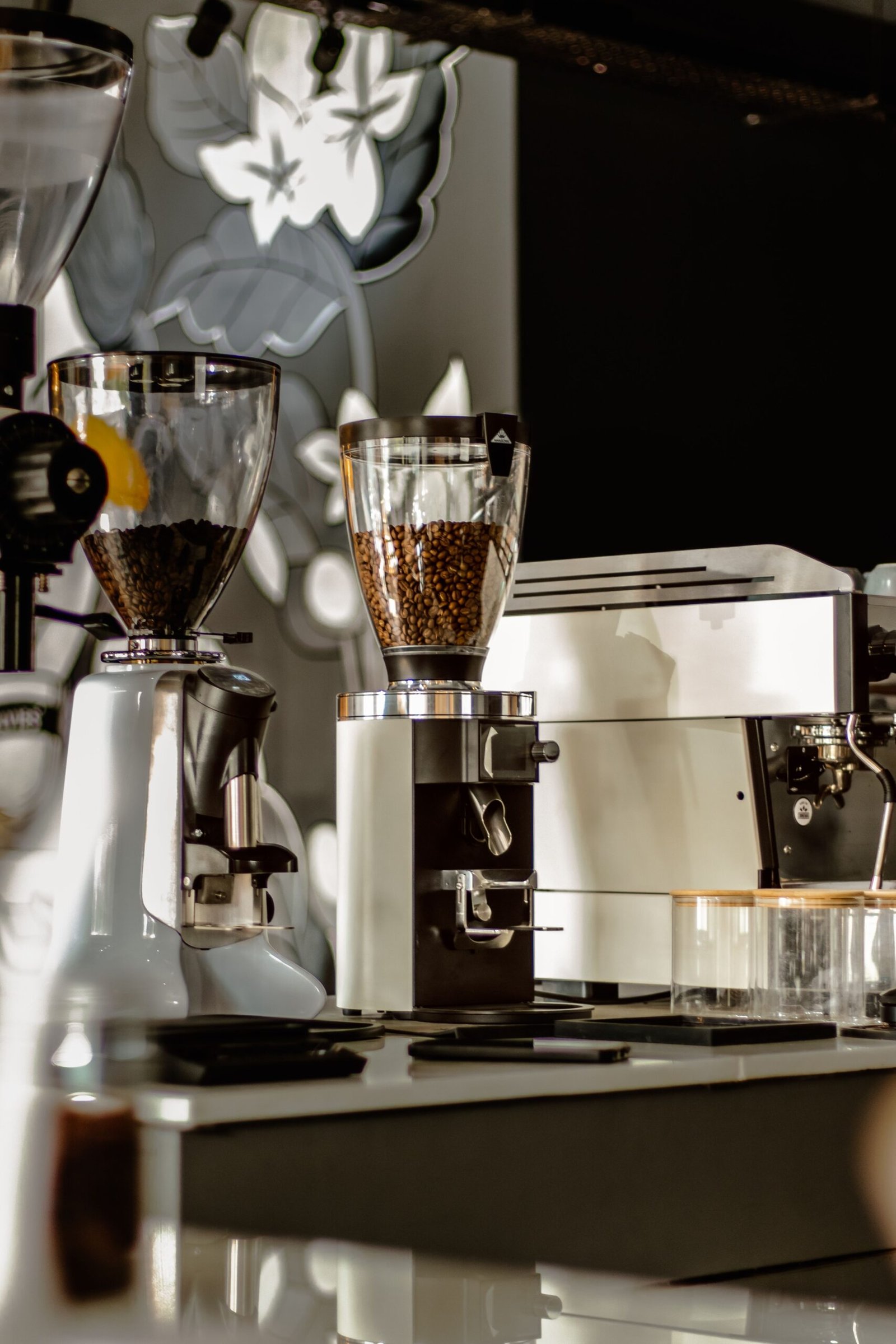
Electric Coffee Grinder upgrades are a game-changer for home coffee enthusiasts who want fresher, more consistent coffee. Jumping from pre-ground coffee or a slow manual grinder can seem daunting, but picking the right electric burr grinder is all about matching your brew style, space, and budget. This is not another “best overall” list. Instead, you’ll get direct, practical guidance to avoid common mistakes and find a grinder that actually works for your apartment and coffee habits.
Key Takeaways
- Electric burr grinders dominate the market with 85% share because they deliver consistent grinds for all popular brew methods, from French press to espresso.
- Real-world complaints focus on grind inconsistency, noise, and durability—so always look for strong burrs, quiet motors, and solid warranties.
- Price tiers ($50–$100, $150–$250, $300–$500) signal capability. Most home brewers will find the best electric coffee grinder for home use in the mid-range, while apartment dwellers should prioritize models with noise ratings below 70 dB.
- Market Snapshot — Why electric burr grinders are the safe default
- Price Tiers Explained — Which tier matches your goals
- Common real-user complaints — and how to avoid them when buying
- Single-dose vs Hopper-fed — what matters for freshness, retention, and convenience
- Which grinder for which brew method — decision matrix
- Quiet electric coffee grinders for apartment living — what to measure and look for
- Electric vs Manual — when electric makes sense (and when manual still wins)
- Maintenance, lifespan and common failure modes — total cost of ownership
- Features that are under-covered by competitors (the buyer’s advantage)
- Quick buyer’s checklist (one-page decision aid)
- 5 recommended picks by use-case (brief justification per pick)
- Final notes — warranty, where to buy, and next steps
Market Snapshot — Why electric burr grinders are the safe default
Today’s home coffee grinder market is booming. In 2024, global electric home–brew coffee grinder sales reached about $1.6 billion, with a projected growth rate of 6 percent through 2030. Burr-type electric grinders make up nearly 85 percent of units sold, widely recognized as the gold standard for home use. These grinders deliver more uniform grinds than blade models and excel with every brew method—drip, pour-over, French press, even espresso. If you want reliable results and fresher-tasting coffee, an electric coffee grinder with burrs is almost always the safest starting point.
Price Tiers Explained — Which tier matches your goals
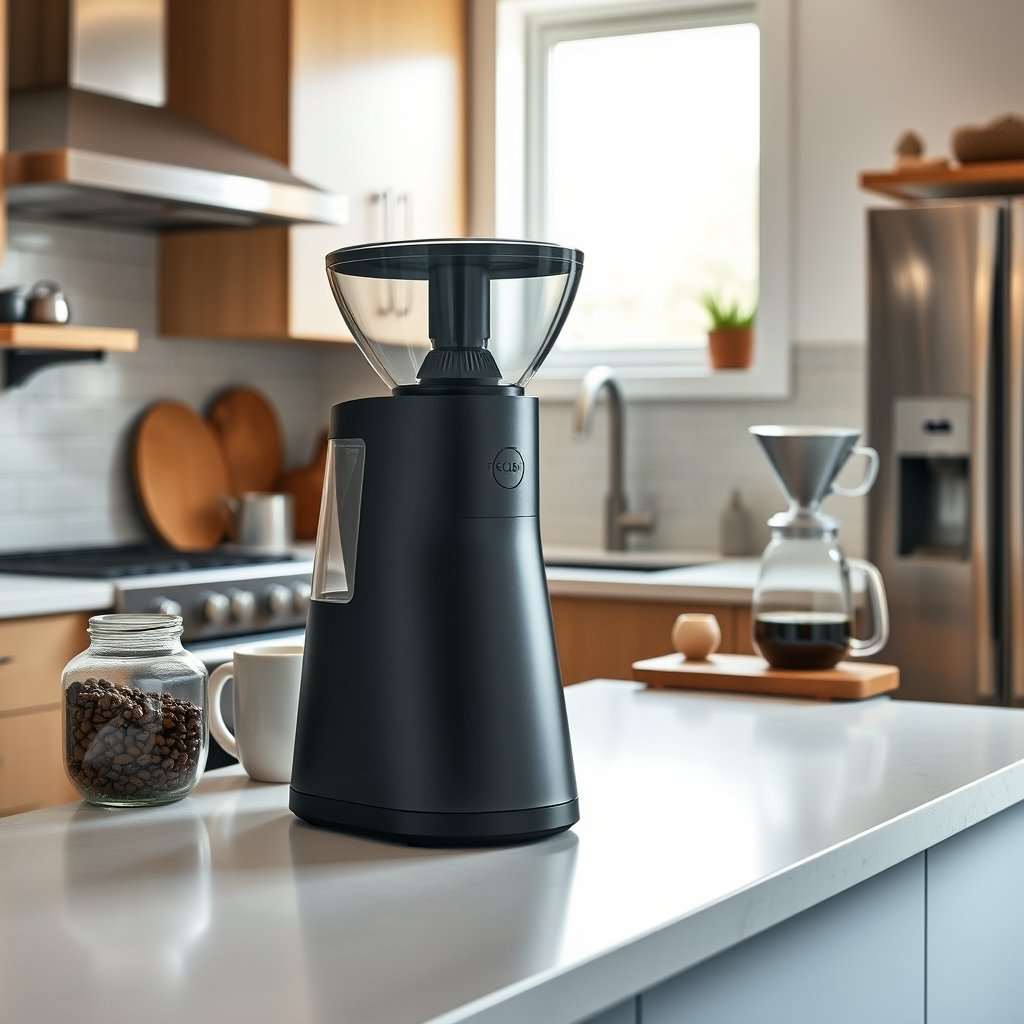
Price matters because it reflects expected grind consistency, durability, and which brew methods are actually possible at home. Here’s what you get at each level for the best electric coffee grinder for home use:
- Budget tier ($50–$100): Good for basic drip or French press. Expect some unevenness in coarse or fine grinds, increased static, and noisier motors.
- Mid-range ($150–$250): Best balance for hobbyists and daily brewers. You’ll see better grind consistency, stronger motors, and components built for regular use. Entry-level espresso and reliable performance for most methods.
- Premium ($300–$500): Designed for espresso fans and perfectionists. Premium conical or flat burrs reduce retention, stay sharp longer, and allow precise, repeatable dialing for both espresso and pour–over methods. Some specialty or pro home models exceed $800, but diminishing returns set in for most.
According to industry data and Coffee Chronicler’s guide, understanding which price tier best matches your goals saves money and frustration later.
Common real-user complaints — and how to avoid them when buying
The biggest issues reported by real owners of burr electric coffee grinder models (2026 and beyond) are:
- Inconsistent grind (especially at coarse or very fine settings)—leads to muddy or bitter coffee.
- Noise, often described as “loud” or with an annoying motor whine—especially tough in apartments or early mornings.
- Durability problems: premature burr wear, jammed hoppers, overheating motors, or even broken impellers, often appearing in 1–2 years.
To avoid these issues, always:
- Prioritize burr material (steel or ceramic, not cheap metal) and motor specs (watts or torque upfront in specs).
- Check verified user reviews for patterns of noise complaints, overheating, or quick failures.
- Look for models with strong after–sales support and at least a one-year warranty on parts.
Detailed performance test data is available in reviews by Epicurious and Serious Eats, which break down real-world failure modes tied to budget models especially. If you want even more troubleshooting, see our in–depth guide to single dose grinder problems.
Single-dose vs Hopper-fed — what matters for freshness, retention, and convenience
Single-dose grinders are a major trend among home enthusiasts. Instead of loading a full hopper, you measure and add just what you need for one brew. The benefits:
- Minimal grind retention, meaning almost all beans get ground and static build-up is reduced. Great for switching coffees often or trying new beans.
- Fresher taste since no beans stagnate in the hopper or get exposed to light/air for days.
- Makes cleaning simpler—no need to empty large hoppers or deal with old coffee.
Drawbacks: Requires refilling for each brew, and can sometimes lead to uneven grind feeding, especially with oily beans or when making French press.
For multipurpose use, especially for those using both espresso and drip, models like the DF64 Gen 2 shine due to their low retention and large grind range. Hopper-fed grinders are still more convenient if you drink the same coffee every day and don’t want to fuss with dosing. For details, see Single Dose Coffee Grinder: Proven Guide and best electric coffee grinder for apartments.
Which grinder for which brew method — decision matrix
Not every grinder can do it all. Here’s what to look for based on your primary brew style:
- French press or cold brew: Coarse settings matter; look for models that get high marks for even boulders and minimum fines. Some budget models struggle here.
- Drip and pour–over: Consistency in the medium-fine range. Mid-tier conical burrs perform best.
- Espresso: Requires super-fine, uniform grinds and tight dose repeatability. Only a few home grinders do both drip and espresso equally well. Single–dose, low–retention grinders (like DF64 Gen 2) offer broad adjustment with stability.
- Aeropress: Versatile—almost any burr grinder will work but the ability to experiment with range is an extra bonus.
See our Pour Over Coffee Machine Guide for expert pairing advice. For espresso, our Compact Espresso Machine tips can help complete your setup.
Quiet electric coffee grinders for apartment living — what to measure and look for
If you share walls or brew early, noise rating is critical. Many home grinders sound far louder than expected, often described as “harsh” or with an annoying whine in reviews (Bon Appetit). For low dB rating electric coffee grinder apartment choices, check these features:
- Decibel (dB) ratings: Look for models advertised as below 70 dB—anything higher will likely be noticeable through walls.
- Direct drive or DC motor: Typically quieter than high-speed AC motors.
- Sound-dampening housing: Those with thick plastic or rubber feet help reduce vibration, especially on hard counters.
Test grinders at home during your usual brew hour. If you live in a small apartment, this test is as critical as checking grind size—even the best electric grinder for espresso and drip can be useless if you’re worried about waking neighbors.
Electric vs Manual — when electric makes sense (and when manual still wins)
Manual grinders have their place: they’re budget-friendly, portable for travel, and fine if you only brew occasionally. But manual grinding is slower, less consistent, and more tiresome—especially at coarser settings like French press. Electric burr grinders (about 85 percent of total units) solve for speed and precision, making them better for daily routines or when brewing for more than one. If you brew mostly at home and value ease, electric wins. For camping, travel, or if you’re on a strict budget, manual may be adequate—just know you’ll be making tradeoffs in speed and uniformity.
If you want a side-by-side breakdown, see our single dose vs manual grinder comparison.
Maintenance, lifespan and common failure modes — total cost of ownership
Every Electric Coffee Grinder eventually needs cleaning and repairs. Ignoring these leads to the most frequent real-world failures:
- Premature burr wear (often within 1–2 years if grinding for espresso daily or neglecting cleaning).
- Hopper jams, especially with oily (dark roast) beans.
- Motor overheating (look for automatic shutoff features).
- Broken impellers—usually a failure in cheaper builds with consistent high-volume use.
Prioritize models where burrs can easily be removed and replaced, replacement parts are available, and there’s at least a 1-year warranty. Clean monthly, or more often if you use dark, oily beans. For a detailed maintenance checklist and solutions to common problems, see our deep dive on burr grinder repairs.
Features that are under-covered by competitors (the buyer’s advantage)
Many top “best of” guides overlook key features that matter for actual home users. If you want a burr electric coffee grinder 2026 that meets your actual needs, don’t ignore:
- Retention and freshness: Single-dose vs hopper design greatly affects how much old grind lingers in the machine.
- Noise data: Buyer guides rarely list decibel ratings, yet noise can make or break apartment viability.
- Burr replacement frequency: Especially relevant for daily users. Some grinders need burrs swapped as soon as every 12–18 months.
- Smart/app dosing features: Helpful for repeatable brews, multiple coffees, or controlling the grinder from a distance.
- Portability and energy use: Smaller, lower–watt grinders may travel well and use less power in small apartments or off-grid.
These details are increasingly sought by discerning buyers, as noted in Wirecutter’s reviews and our comprehensive single dose grinder FAQ.
Quick buyer’s checklist (one-page decision aid)
Before you buy, run through this one-page checklist for the best electric coffee grinder for home use:
- Brew method(s): Drip, pour-over, French press, Aeropress, espresso, or a mix?
- Budget tier: $50–$100 (casual); $150–$250 (regular); $300–$500 (enthusiast/espresso). Higher isn’t always better for all users.
- Noise limit: Can you tolerate 70 dB or less? Is your kitchen open or closed?
- Single-dose or hopper: Do you switch beans daily, or just want set-and-forget?
- Burr type: Flat or conical? Steel or ceramic?
- Retention issues: Need super-fresh or do you batch brew?
- Maintenance & warranty: Is the brand known for easy repairs and at least a 1-year warranty? Replacement burrs available?
Use this to guide your retail search and avoid common failure points like burr wear and noisy motors.
5 recommended picks by use-case (brief justification per pick)
No one grinder does it all perfectly—but these picks, tied to real-world needs, all use a reputable Electric Coffee Grinder at their core.
- Quiet apartment choice: Fellow Ode Gen 2—low dB rating, compact, optimized for minimal whine. Fits tight counters, praised in expert reviews.
- Budget-to-performance: OXO Brew Conical Burr—mid-range price, reliable for drip, French press, and pour-over (fine for apartment use if not ultra-sensitive to noise).
- Espresso-capable home grinder: Baratza Sette 270—fine control and minimal retention, handles espresso and Aeropress well; pricier but high-value for multipurpose setups.
- Single-dose multipurpose: DF64 Gen 2—affordable end of premium, single-dose, easy to dial for both espresso and filter. Check our single dose grinder guide for full review.
- Low-retention/hobbyist: Eureka Mignon Specialita—premium flat burrs, ultra-low retention, quiet operation, suitable for both espresso and pour–over enthusiasts who prioritize flavor clarity.
Remember, burr grinders dominate the market because they simply work better—price tiers generally mirror quality and capability.
Final notes — warranty, where to buy, and next steps
Always check warranty coverage and make sure replacement parts are available—durability complaints in the first 1–2 years are common for all but the top brands. Buy direct from authorized retailers or specialty coffee shops that handle returns and offer after–sales support. Once you’ve picked an Electric Coffee Grinder that fits your needs, run a simple calibration at home: measure a dose, test for static, and check grind size for your favorite brew. See our detailed repair and calibration tips if problems arise after purchase.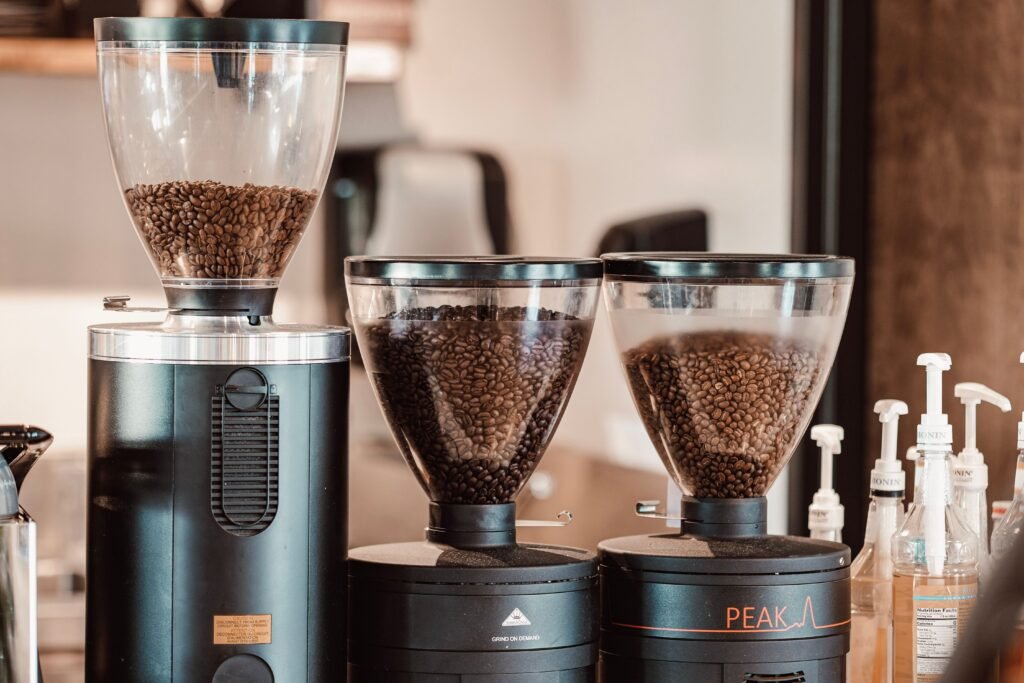
FAQ Section
Why is a burr electric coffee grinder better than a blade grinder?
Burr grinders use two abrasive surfaces to crush beans evenly, resulting in more consistent grind sizes. Blade grinders chop beans unevenly, leading to bitter or muddy coffee. Burrs also tend to be quieter and last longer with proper care.
How often should I replace burrs on my electric grinder?
Most home users should replace burrs every 12–24 months, depending on how much coffee you grind and what roast. You’ll notice dull burrs when grind takes longer or flavors become less clear.
Can I use an electric coffee grinder for espresso and drip both?
Some high-end and single-dose grinders handle both, but most entry-level models excel at either espresso or drip, not both. Look for models with stepless or wide-ranging adjustments and strong user reviews for multipurpose use.
What’s the best way to reduce static and mess after grinding?
Lightly mist beans with water (the “RDT” trick) or use a grinder with anti-static technology. Cleaning the chute regularly and grounding your grinder can also cut down on static-related mess.
How do I know if a grinder will be too loud for my apartment?
Check if the manufacturer lists the decibel rating (aim for below 70 dB). If none is listed, look for reviewers mentioning noise, or test the grinder during your usual brew hour if possible before your return window closes.