

### Blog Post:
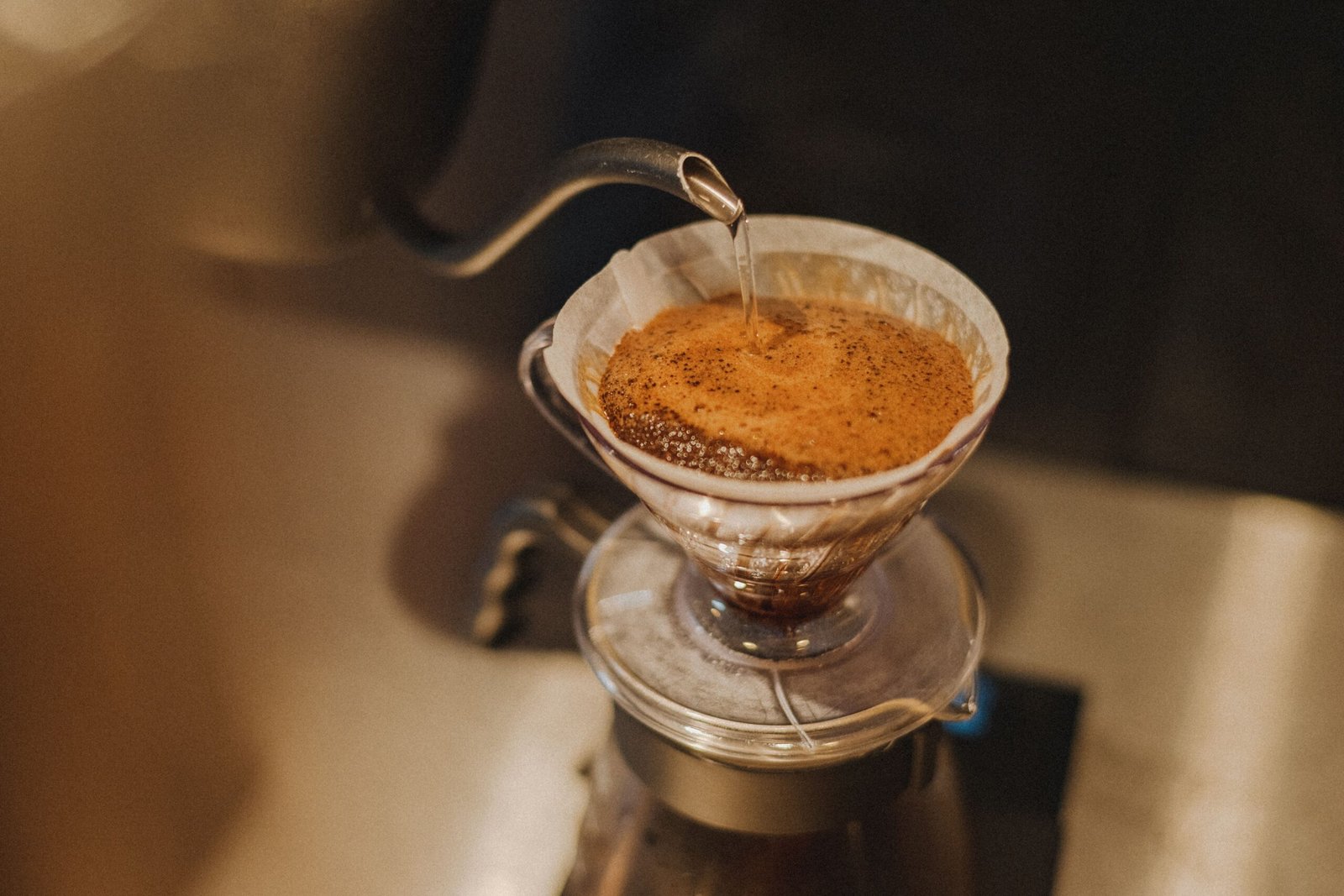
Pour Over Coffee Machine buyers today want café-level flavor with push-button ease—but skipping the marketing hype is essential if you want real results. This practical guide dives into which technical specs, features, and setup details actually affect cup quality, day-to-day effort, and long-term value when using an automatic pour over coffee machine at home.
Key Takeaways
- Automatic pour over coffee machines can deliver café-level flavor at home—if you focus on measurable temperature and flow control, not just branding or buzzwords.
- The biggest pitfalls are inconsistent temperature, clunky filter systems, required extra gear, and poor repairability; avoid hidden costs by checking these specs and reviews.
- The best machines for 2026 offer smart features, customizable recipes, durable builds (all-metal water paths), and real upgrade paths for grinders or accessories.
- Why choose an automatic pour over coffee machine
- Step-by-step guide to buying and setup
- Advanced analysis & common pitfalls
- Conclusion
- FAQ
Why choose an automatic pour over coffee machine
A modern automatic pour over coffee machine bridges the gap between artisan hand-brewed coffee and the convenience of a drip brewer. The key advantages: precision and consistency. Unlike a manual setup—which depends on your skill to control temperature, pour rate, and blooming—these machines automate those variables with measurable accuracy. This means repeatable café-level recipes every morning, hands-free operation, and the ability to batch brew without sacrificing the syrupy sweetness and nuance that make pour over special.
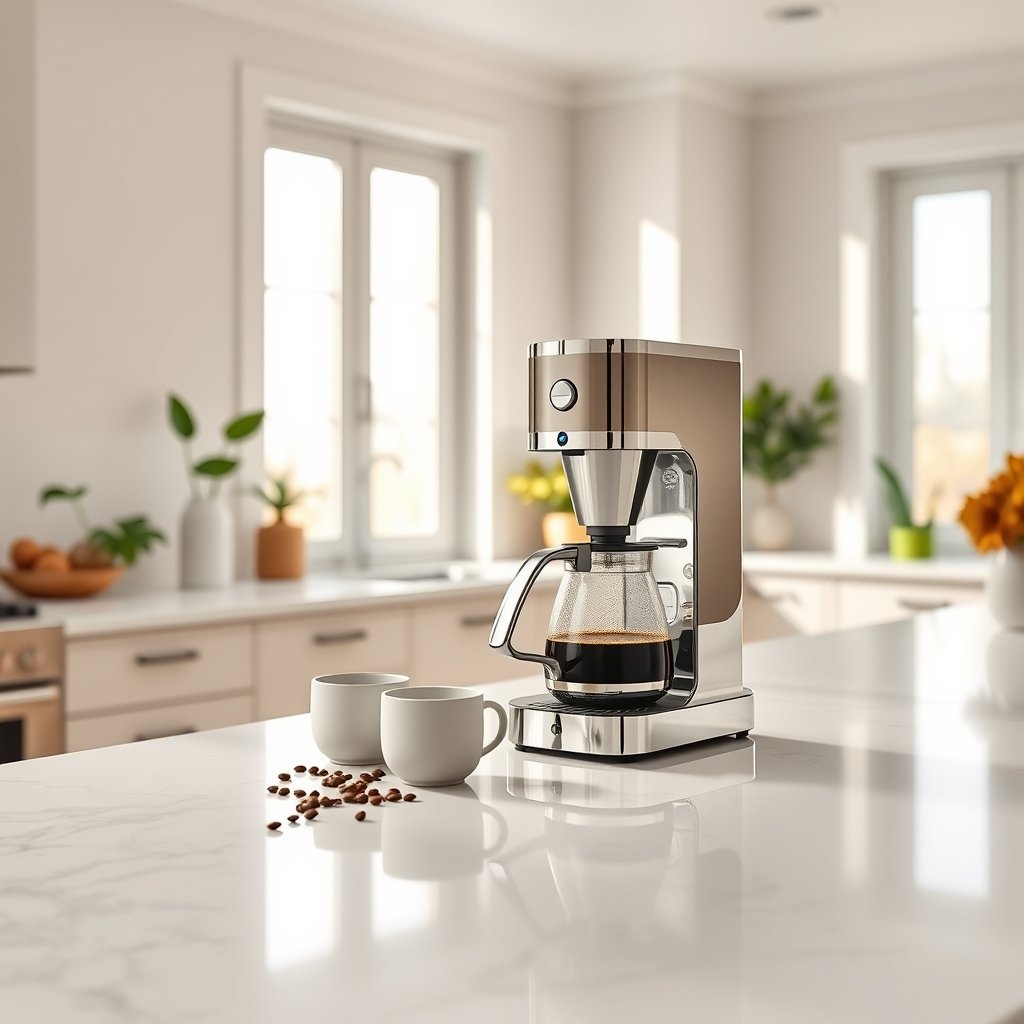
When we compare pour over vs drip coffee machine performance, the difference is in control. Standard drip machines often cut corners with wide temperature swings, no bloom control, and uneven extraction—resulting in flat, bitter, or muted cups. Research shows that “the most common complaints about pour over coffee makers are inconsistent temperature or flow‑rate control that leads to flavor that falls short of true pour‑over nuance.” If you crave delicate florals, juicy acidity, and a sweet finish every time, an automatic pour over coffee maker is the most effective route—especially if you value consistency and low-effort daily brewing.
For those who brew for several people or want a more reliable morning routine, the hands-off batch brewing of an automatic pour over machine is a leap above the drudgery (and guesswork) of back-to-back manual brews.
Step-by-step guide to buying and setup
Here’s a measurement-driven, step-by-step approach to choosing and setting up your automatic pour over coffee maker for home success:
-
Choose Your Essential Features:
- Temperature Control (PID): Look for adjustable setpoints in the 92–96 °C range, and make sure the machine can keep temperatures within ±1°C during the entire brew.
- Programmable Flow and Bloom: Customizable bloom times and flow rates are crucial for proper extraction. Check if you can save profiles or recipes, especially via an app or Wi-Fi connection.
- Water Path Materials: For best flavor and lower environmental impact, prioritize models with all-metal water paths (like the stainless steel and glass system in the Ratio Eight Series 2) so no plastic touches brewing water.
- Filter System: Verify availability of filters. Paper filters add flavor clarity but generate waste; steel mesh reusable baskets are eco-friendly but can affect clarity and texture.
- Batch Size Modes: Machines that let you brew half or full batches increase flexibility for solo mornings or entertaining guests.
-
Select a Model by Tier and Features:
- Entry Level (around $170-$220): OXO Brew 8-cup—basic programmability, SCA-certified, but no app/web features; mostly plastic with some steel.
- Midrange (around $500): Fellow Aiden—fully adjustable temperature (92–96 °C), customizable bloom/flow via a Wi-Fi app, stainless-steel heating.
- Premium (above $1,000): Ratio Eight Series 2—luxury build, all-metal water path and carafe, programmable half-batch/full-batch, robust repair options.
-
Buy Required Accessories:
- Grinder: To release full flavor, invest in a precise burr grinder. A single dose coffee grinder offers consistency that matches your machine’s extraction abilities.
- Kettle: Some machines lack pre-heat or bloom assist— a dedicated gooseneck kettle may still be needed.
- Filters: Stock up on compatible filters—many use proprietary shapes!
-
Calibrate Your Setup:
- Start with a medium-coarse grind—adjust finer for more sweetness, coarser for brightness.
- Recommended dosages: 1g coffee per 15-17g water (e.g., 30g per 500g water batch).
- Use filtered water, keep temp around 93-94 °C for light roasts; adjust to taste.
-
Test and Refine:
- Record brew temps and flow; note if extraction seems under/over.
- Tune your grinder and recipe, then save your settings for repeatable results.
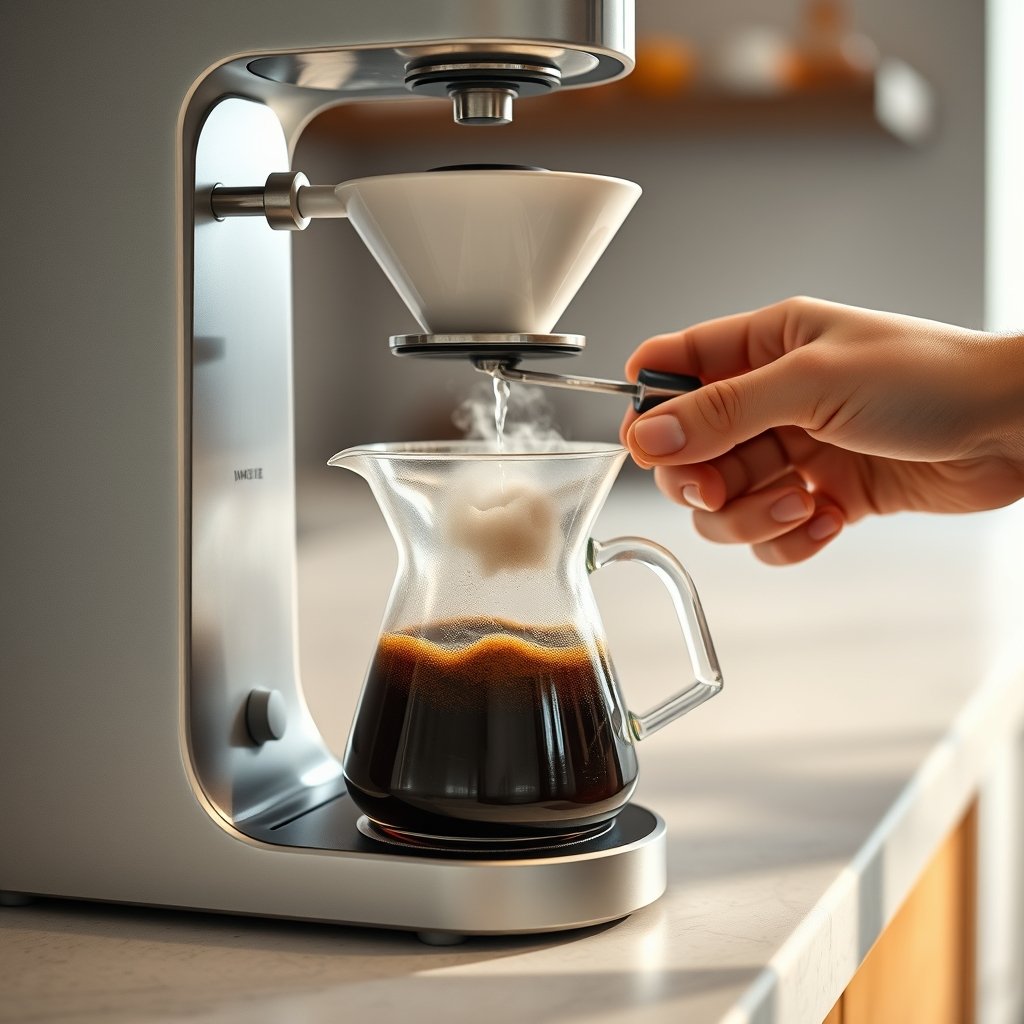
Need more tips for beginners? Don’t miss our full pour over machine for beginners guide for mistakes to avoid.
You’ll get better results—and a more sustainable setup—by planning these upgrades in advance rather than “adding accessories” in frustration later.
Advanced analysis & common pitfalls
Even among “best pour over coffee machine 2026” picks, real lab tests and owner reviews reveal ways smart buyers get tripped up:
- Inconsistent Brew Temperature: Many machines claim ±1°C precision but drift 3-5°C during the cycle, resulting in flat or sour flavors. Look for test data, not just marketing claims.
- Proprietary/Hard-to-Find Filters: Models like the Kalita Wave and Chemex Ottomatic use unique filters that can be expensive or hard to find, increasing waste or downtime.
- Extra Equipment Required: Even top-rated models often require a gooseneck kettle or precision burr grinder for optimal extraction (see research here).
- Poor App/Interface Design: App features promise convenience but can be buggy, non-intuitive, or locked behind firmware updates.
- Maintenance, Repairability, and Build: Cleaning routines can be clunky or noisy; look for easy-access parts, and check for “no plastic in water path” if you’re sensitive to flavor or environmental impact. Longevity matters—premium models like the Ratio Eight Series 2 are designed with long-term repair in mind. Many lower-tier models are not, leading to high replacement rates.
- Feature Set for the Price: In 2026, the auto pour over range spans $170 (OXO Brew 8-cup), $499 (Fellow Aiden), to $1,150 (Ratio Eight Series 2). Make sure you’re not paying for looks and losing on specs, durability, or upgrade options (source).
| Model | Price Range (USD) | Water Path | Temp Control/Range | Smart Features | Maintenance/Repair | Filter Type |
|---|---|---|---|---|---|---|
| OXO Brew 8-cup | $170–$220 | Steel/Plastic | Stable but basic | No app/Wi-Fi | Simple, not user-serviceable | Melitta basket, easy supply |
| Fellow Aiden Precision | $499 | Stainless Steel | Adjustable 92–96°C, programmable | Wi-Fi, App Recipes | Moderate, replaceable parts | Standard flat-bottom, easy supply |
| Ratio Eight Series 2 | $1,150 | All-metal/glass (no plastic) | Precision ±1°C, SCA-certified | No app, on-machine programs | Designed for repair, premium build | Stainless steel or paper filter, proprietary |
- Owner Experience “Gotchas”: Reviews cite clunky cleaning, filter shortages, high price, or failed durability as frequent pain points. Avoid buyer’s remorse by reading real test results and repair policies (see Consumer Reports summary).
- Environmental Impact: Filter waste adds up. Choose reusable baskets or models with compostable paper options. Prioritize repairable, recyclable builds for lowest long-term footprint.
For more on compact brewers versus full-featured machines, see our guide to compact espresso machines.
Conclusion
The best pour over coffee machine isn’t about branding—it’s about measured temperature accuracy, programmable flow, durable materials, and real-world usability. Smart buyers scan past the buzzwords and focus on temperature stability (≤±1°C), real app or programmable recipe features, an all-metal water path, and repairability. Plan for any extra equipment you’ll need: a reliable grinder, a gooseneck electric pour over kettle brewer, and a sustainable filter solution.
Ready to choose your next Pour Over Coffee Machine? Focus on the measurable specs—don’t pay more for fluff. For detailed setup tips or companion gear, check out our complete Pour Over Coffee Machine Guide or learn how to select a dedicated electric coffee grinder. Buy smart—brew better. Get café-level flavor at home, every day.
FAQ
Is an automatic pour over coffee maker better than brewing manually?
Automatic pour over machines offer consistency and hands-free operation. They won’t match the artistry of a skilled manual barista, but top models now get within tasting distance thanks to advanced temperature and flow control. For daily convenience, they’re unbeatable.
Do I still need a kettle or grinder with an automatic pour over setup?
Usually yes—a quality burr grinder is essential for unlocking the flavor potential of your beans. Some machines may still benefit from a gooseneck kettle for manual prewetting or blooming, especially if the auto program is basic. Plan your gear accordingly.
Are proprietary filters a dealbreaker?
They can be—you’ll pay more and face supply issues with proprietary shapes. Look for models that accept standard filters or buy several refills up front. Consider reusable baskets if minimizing waste or cost is a concern.
How important is app connectivity or recipe programming?
For enthusiasts seeking ultimate control, app-based programming or Wi-Fi/remote scheduling enables custom profiles and repeatable results. It’s an upgrade worth considering if you love dialing in your cup, but not all apps are stable or intuitive—read reviews first.
What does the cleaning and maintenance routine actually look like?
Most machines need daily rinsing and a weekly deeper descale/clean. Those with removable water paths, baskets, or little plastic are much easier to maintain and less likely to impart off-flavors. Choose models designed for repair for longer life and sustainability.