

AI Smart Oven technology is redefining how homeowners cook, but is upgrading from your current oven really worth it in 2026? This guide cuts past the hype, laying out the practical facts, cost realities, and hidden tradeoffs so you can make the smartest, safest upgrade for your kitchen and wallet.
Key Takeaways
- AI Smart Ovens offer reliable, hands-off cooking and connectivity, but also raise real privacy, maintenance, and compatibility considerations.
- Solve upgrade anxiety: Price, features, and ecosystem support vary greatly – buyers should focus on camera/sensor accuracy, security options, and long-term firmware support before purchasing.
- The best 2026 models can optimize recipes and energy use with internal cameras and machine learning, but not every smart oven is created equal. Comparison is essential.
- Why AI Smart Ovens Matter Right Now
- How AI Smart Ovens Work — Cameras, Auto-Adjust, and ML
- The Real-World Downsides — What Users Complain About (2026 Models)
- Samsung AI Oven 2026 — Deep Dive: Specs, AI Features, and Voice Control
- Top Competitors — How They Compare on AI, Cameras, and Voice
- Pricing Reality Check — What to Expect and How to Compare Prices
- Buying Checklist — Choosing the Best Smart Oven for Your Home
- Maintenance, Privacy & Safety FAQs
- Conclusion & Recommended Next Steps
Why AI Smart Ovens Matter Right Now
The connected kitchen is no longer futuristic. Today’s AI Smart Ovens combine internal cameras, machine learning, and voice control to simplify everything from weeknight meals to ambitious bakes. But why evaluate a replacement now?
According to recent market studies, global AI-enabled smart oven sales hit about $2.4 billion in 2024, with forecasts projecting a jump to $6.4 billion by 2030 (about 14.8% CAGR). Even more striking, the entire AI-oven segment, including traditional ovens with smarter features, is on track to hit $13.8 billion by 2034, up from $2.1 billion in 2024 (a rapid 20.7% CAGR)[1],[2]. US adoption is leading the charge, with AI oven purchases growing from roughly 12% of all new units in 2024 to over 20% by 2026[3].
Momentum is being driven by several converging trends:
- Expanding smart home ecosystems (especially Samsung SmartThings and LG ThinQ)
- Homeowners in tech-forward, higher-income metro areas (West Coast, Northeast)
- Growing appetite for integrated recipe apps, voice control, and remote monitoring
- Insurance and energy rebates for “smarter,” more efficient appliances
For urban or suburban households—where convenience and reliable results matter—2026 is a smart checkpoint for considering an AI Smart Oven upgrade.
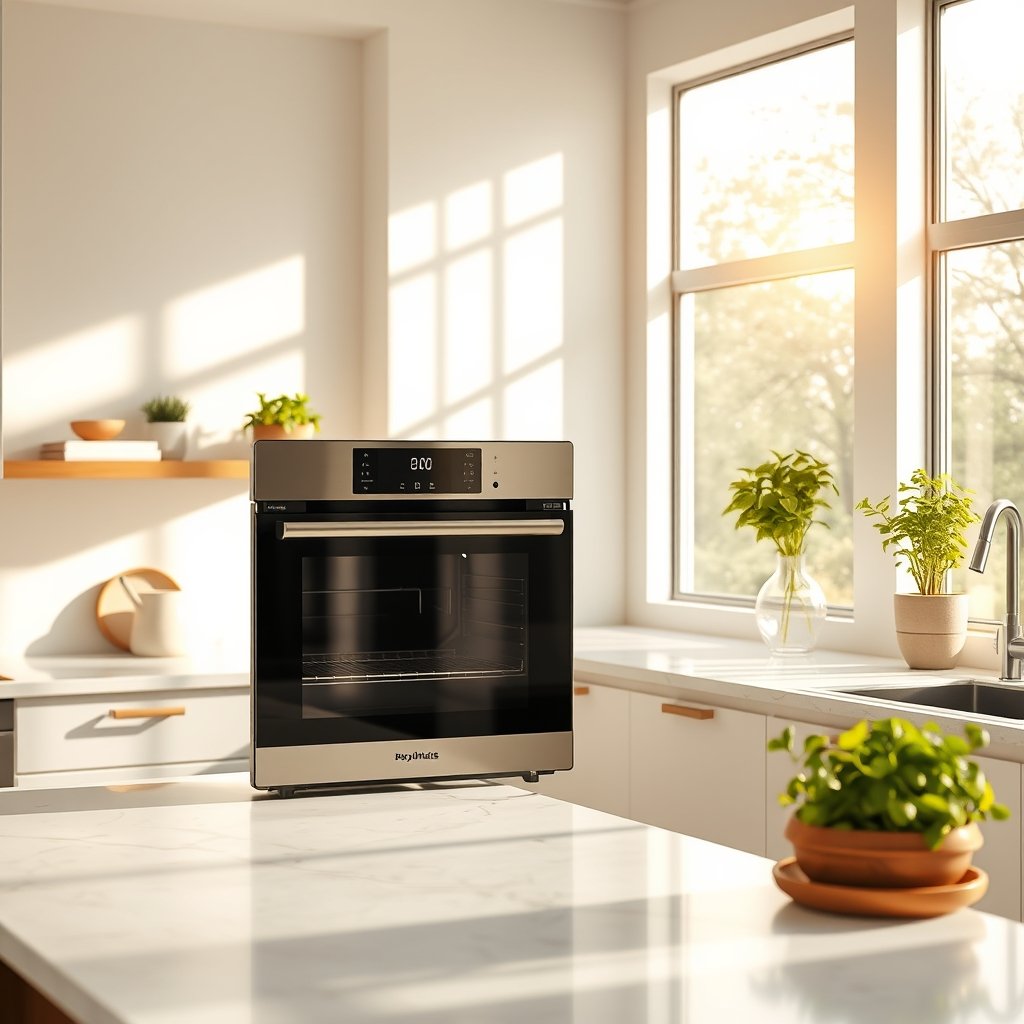
How AI Smart Ovens Work — Cameras, Auto-Adjust, and ML
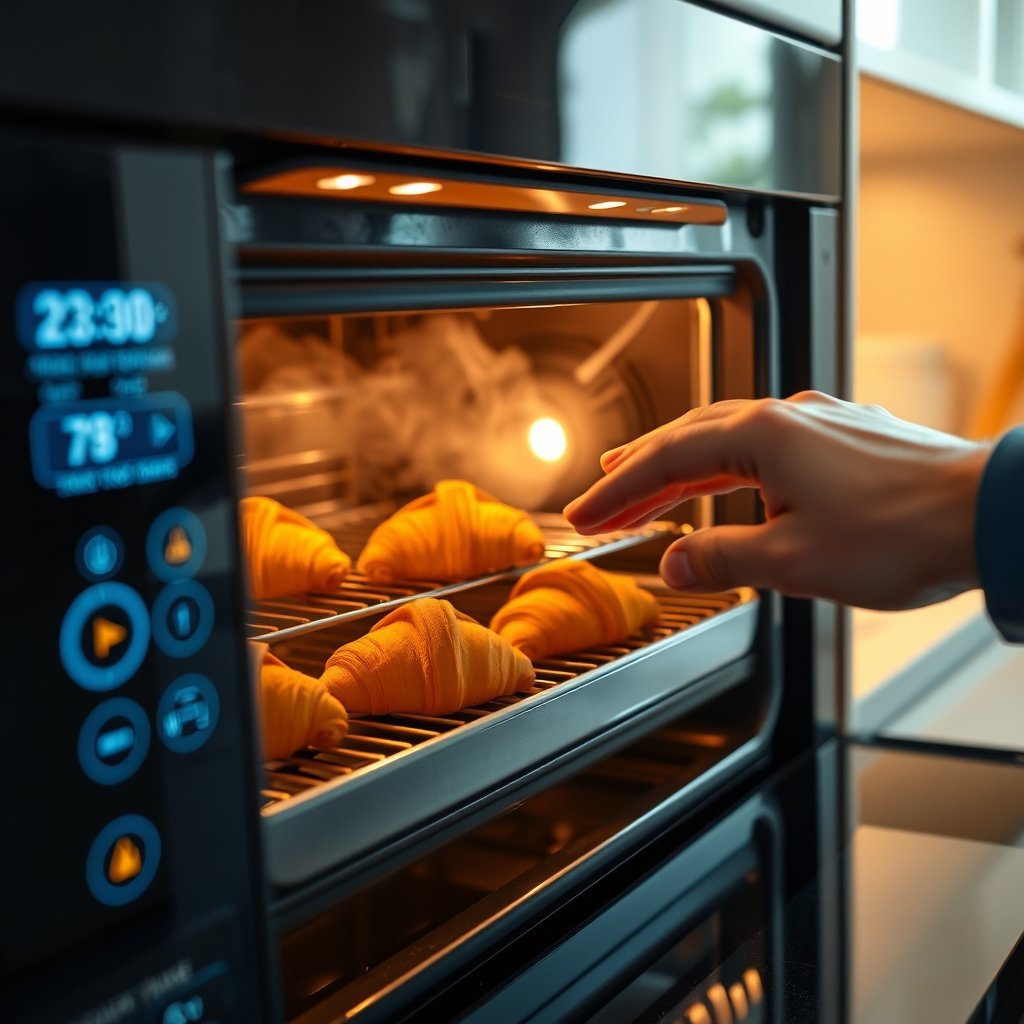
AI Smart Ovens use smart sensors, cameras, and real-time learning to promise “set it and forget it” results. Here’s what’s actually going on inside:
- Smart oven with camera and auto adjust: High-res internal cameras identify food type on the rack—sometimes recognizing up to 80+ recipes (like Samsung’s Vision Inside).
- Multi-zone temperature sensors: These track and adjust heat across different oven zones independently for even cooking.
- AI oven temperature self-adjusting: Machine learning algorithms constantly tweak temperature/time based on type, weight, and even how browned the food gets during cooking.
- Recipe database integration: Many models pull from cloud-based or locally stored recipe libraries to set pre-optimized cook cycles.
- OTA (Over-The-Air) updates: The oven’s “brain” keeps evolving, adding new recipes, adjusting for seasonal foods, and fixing bugs with wireless firmware patches.
- Voice and remote app control: Compatible with platforms like Alexa, Google Home, and Samsung SmartThings for hands-free adjustments.
Samsung’s latest AI Vision Inside recognizes around 80 recipes and supports continuous learning, meaning your oven gets “smarter” over time. Most 2026 models use a combo of camera + multi-zone sensors (often Wi-Fi 6/6E standards), and all hope to push regular OTA updates for performance and new features[4].
For more details on optimizing other kitchen devices, see our compact espresso machine and portable air fryer guides.
The Real-World Downsides — What Users Complain About (2026 Models)
Buying a smart oven with a camera and auto adjust promises a lot—but owners and professional reviewers in 2025-2026 cite several recurring issues:
| Downside | Example/User Review | Mitigation/Tip |
|---|---|---|
| Privacy Concerns | “Not sure what’s sent to the cloud—wish there was a hard-off switch on the camera.” – CNET reader review, 2026 |
Choose ovens that allow disabling or restricting camera/cloud integration in settings. Read privacy policies carefully. |
| Misidentification | “It thought my cauliflower was a chicken breast. Burned the edges.” – The Wire Rundown, 2026 |
Opt for ovens with manual override modes. Keep recipe datasets up to date via OTA updates. |
| Latency in Sensor Feedback | “Occasional lag on adjusting zones—roast was done 5 min late compared to the app.” | Stick to trusted brands with proven sensor accuracy. Keep firmware updated. |
| Connectivity Drops | “Lost SmartThings connection twice in one week during a firmware push.” | Ensure strong home Wi-Fi; avoid firmware updates during critical cooking. |
| Limited Voice Assistant Support | “Google worked, Alexa didn’t. Bixby got stuck.” | Check compatibility lists for your preferred assistant before buying. |
| Maintenance/Cleaning | “Had to wipe camera lens three times last month for reliable results.” | Add camera lens cleaning to your monthly kitchen maintenance routine. Pick models with easy-access lens housings. |
For context: Samsung AI ovens and most competitors receive user complaints about privacy, misidentification, and reliability. Maintenance—especially keeping the camera clean—directly impacts cooking accuracy.
- Pro tip: Never trust full automation blindly. Use smart oven voice control 2026 features for status checks and quick overrides.
- Explore our multi cooker guide for more insights on connected kitchen appliances.

Samsung AI Oven 2026 — Deep Dive: Specs, AI Features, and Voice Control
Samsung dominates the US AI Smart Oven segment in 2026, blending robust hardware with a feature-heavy software platform. Here’s what stands out:
- Internal AI Vision Inside camera: Recognizes ~80 recipes; supports user-profiled continuous learning
- Temperature tech: Dual-wall convection, multi-zone temperature sensors, integrated steam
- UI & connectivity: 10” full-color touchscreen, SmartThings app, Wi-Fi 6E, OTA firmware updates
- Voice assistant support: Native Bixby, Alexa, and Google integration
- Performance & energy: Energy-saving modes, rapid preheat, 15L capacity, self-clean cycle, 0.5″ glass front
Use-case scenario: You want to bake bacon-wrapped chicken and veggies without fuss. Place the tray, let the camera scan, and the oven cross-references its database—adjusting for both types at once (see CNET’s hands-on review). Still, you may need to intervene if the oven mislabels the food or a connectivity glitch occurs.
With Samsung’s SmartThings platform supporting over 250 million connected devices as of 2025[5], onboarding is seamless for existing Samsung or multi-brand smart home owners.
Want a compact option with similar brains? Investigate smart countertop ovens; see our countertop ice maker guide for multitasking appliance reviews.
Top Competitors — How They Compare on AI, Cameras, and Voice
The 2026 market is crowded—Samsung, LG, Miele, Viomi, Skyworth, and startups battle for “best smart oven for home 2026” title. Here’s how major brands stack up:
| Brand/Model | Camera | Recognition Library | AI Adjust Type | Sensors | Voice Support | Wi-Fi | App/Ecosystem | Self-Clean | Warranty | MSRP (est.) |
|---|---|---|---|---|---|---|---|---|---|---|
| Samsung AI Oven 2026 | Vision Inside (HD) | ~80 + user recipes | Continuous ML | Multi-zone, steam | Bixby, Alexa, Google | 6E | SmartThings | Yes | 2yrs | $2,499+ |
| LG ThinQ AI Oven | AI Cam (HD) | ~60 | Preset & ML | Multi-zone | Alexa, Google | 6 | ThinQ | Yes | 2yrs | $2,299+ |
| Miele Dialog Smart | 720p wide | ~30 | Precision AI | Dual probes | Alexa | 5 | Miele@home | Yes | 5yrs | $4,500+ |
| Viomi Smart Pro | Integrated | ~40 | Basic ML | Single zone | Alexa | 5 | Viomi Life | No | 1yr | $1,499+ |
| Skyworth AI Oven Mini | Countertop HD | ~15 | Preset | Basic | 5 | Skyworth Home | No | 1yr | $899+ |
Premium brands like Miele focus on temperature precision, while newer entrants undercut on price but may lack advanced AI or voice support. Note: Industry is consolidating as major brands acquire AI-focused startups[6].
- For the apartment dweller, explore induction burners as an alternative upgrade path.
Pricing Reality Check — What to Expect and How to Compare Prices
Expect three main tiers for AI Smart Ovens:
- Entry: $800-$1,500 (limited camera features, basic ML, single-zone sensors)
- Mid-range: $1,500-$2,500 (better cameras, multi-zone, app/voice integration, 2-year warranty)
- Premium: $3,500-$5,000+ (high-res camera, large recognition database, precision self-adjust, advanced steam, longer warranty)
What moves the needle on price?
- Camera quality & ML features
- OTA updates and future-proofing
- Extended warranty and robust service/support
- Energy/steam modes, app integration, and voice compatibility
| Model | Main Features | MSRP (as of May 2026) |
|---|---|---|
| Samsung AI Oven 2026 | Vision Inside camera, Multi-zone, Alexa/Google/Bixby, Steam, SmartThings, 10″ display | $2,499+ |
| LG ThinQ AI Oven | HD camera, multi-zone, Alexa/Google, ThinQ integration | $2,299+ |
| Miele Dialog Smart | Precision AI, dual temp probes, Alexa, 5yr warranty | $4,500+ |
| Viomi Smart Pro | AI camera, Alexa, mobile app, basic ML | $1,499+ |
| Skyworth AI Oven Mini | Countertop HD camera, Google Assistant, lower capacity | $899+ |
Always confirm the advertised “AI” features—look for proof of camera recognition, OTA support, and app/voice compatibility. Pricing is rising in metro markets due to demand and feature creep, with more than one in five ovens sold in these areas being AI-powered by 2026[1].
Buying Checklist — Choosing the Best Smart Oven for Your Home
Evaluate these 10 points before clicking “buy” on any AI oven temperature self-adjusting appliance:
- Cooking accuracy: Reliable sensing and temperature management?
- Camera and recognition: Can the oven consistently identify your most-cooked dishes?
- Manual overrides: Is full manual control available if needed?
- Voice-assistant compatibility: Native support for Bixby, Alexa, Google as needed?
- Network reliability: Wi-Fi 6 or 6E support? Any history of connection drops?
- App ecosystem: OTA updates? Support for your phone and smart home brand?
- Cleaning & self-cleaning: Easy camera maintenance? Built-in self-clean cycles?
- Warranty & service: Length and quality of support, especially for camera repairs.
- Energy-saving modes: Real standby/eco modes for electric bill savings?
- Price vs value: Compare total cost to your usage frequency and actual feature needs.
Remember, with smart oven voice control 2026 models, always vet firmware update promises and company support policies—in-home tech keeps evolving, but you want support for years, not months.
Maintenance, Privacy & Safety FAQs
How often should I clean the camera lens in my AI Smart Oven?
Check the lens at least once per month. Fingerprints, grease splatter, or steam can reduce food recognition accuracy. Most models recommend a soft microfiber cloth.
Are my cooking images or data sent to the cloud?
Depends on the brand/model. Some AI Smart Ovens use on-device processing, others transmit data for cloud-based recipe matching. Always review privacy policies and look for local/cloud toggle settings.
What can I do if my smart oven with camera and auto adjust isn’t identifying food correctly?
First, clean the lens and update firmware. If problems persist, use manual cook mode or contact the brand’s support—new recipe recognition datasets are often pushed via OTA updates.
Is it safe to cook different foods with different ideal temperatures at once?
Advanced AI ovens (like Samsung 2026) feature multi-zone control to handle mixed dishes. Still, always check internal food temps (especially with meats) with a probe for safety.
How do I keep my oven secure on my home network?
Change default passwords, use WPA3 encryption, and keep your oven’s firmware up to date. Consider isolating your oven on a guest network if possible.
Conclusion & Recommended Next Steps
If you’re a busy home chef who values voice control, reliable hands-off results, and remote pre-heating, investing in an AI Smart Oven is well worth considering—especially if you’re already deep in the smart home ecosystem. If you’re privacy-focused or want hands-on control, examine the downsides and pick models with robust manual override and privacy settings.
Top picks for 2026:
- Premium: Samsung AI Oven 2026 — unmatched ML camera, best-in-class app ecosystem.
- Mid-range: LG ThinQ AI Oven — robust AI features with strong Alexa/Google support.
- Value: Skyworth AI Oven Mini — countertop, basic AI, Google integration.
Action steps: Visit an appliance store for a live demo, check MSRP and warranty terms, scan for seasonal deals, and read real-owner reviews after every firmware update. Competitive, AI-driven features and reliability are improving fast—but right now, prioritize the models that “just work” for your kitchen needs.
The smart oven market is still heating up and projected to grow quickly through 2030 and beyond—don’t rush, but don’t ignore the shift. The AI Smart Oven can be your new best friend, provided you make an informed, practical choice for your home.