

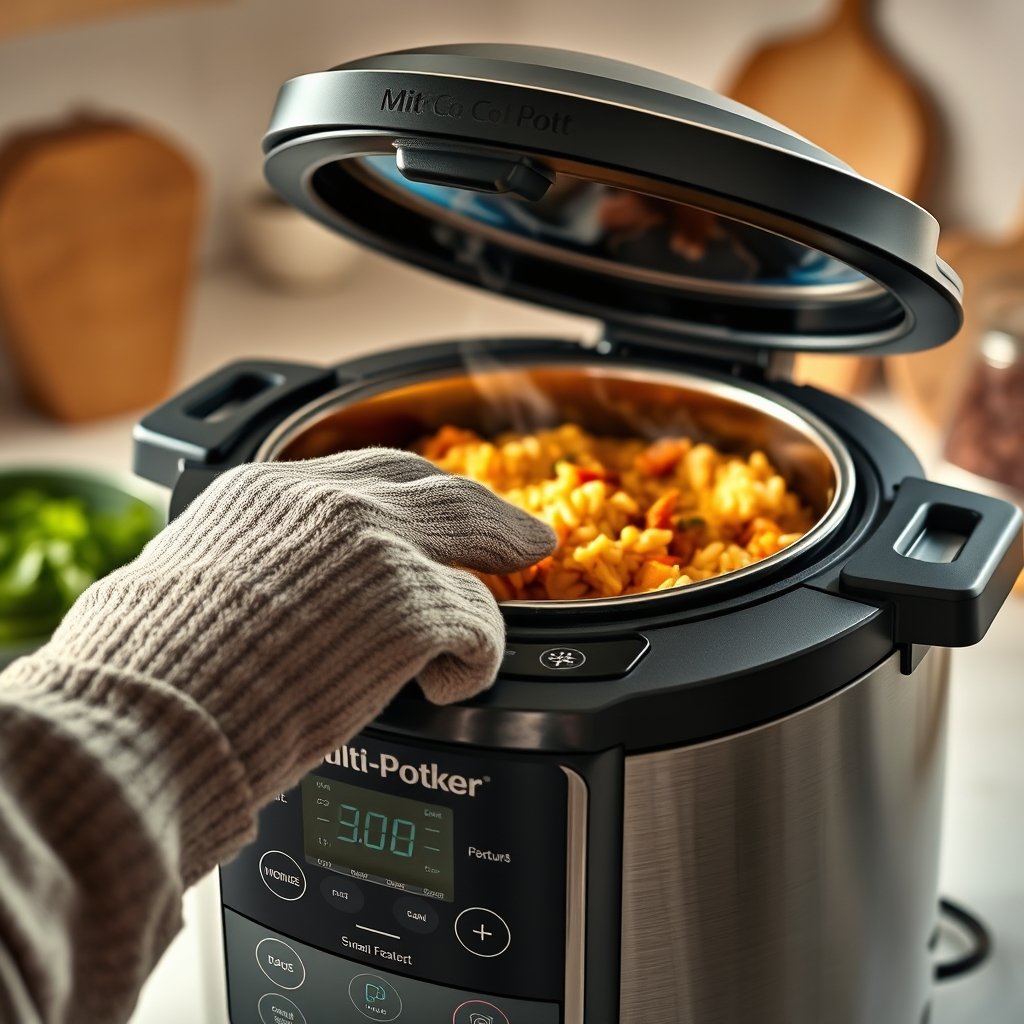
Multi Cooker sales are booming, but does one device really replace all your single-use kitchen appliances—and should you actually make the switch? Here’s a no-nonsense, step-by-step breakdown for budget-conscious homeowners looking to save space, money, and frustration by choosing the right multi cooker in 2026.
Key Takeaways
- About 12 million multi cookers were sold in the U.S. in 2024, but they’re only in 9–10% of homes—buying the right model matters if you want to actually ditch other appliances.
- The best multi cooker all in one appliance can replace slow cookers, rice cookers, pressure cookers, and often air fryers, saving significant space and cost—if you choose carefully.
- Look for concrete data: wattage, programmable modes, Inner-pot material, WiFi reliability, and real-world cook-time tests rather than just feature lists.
- 2024 adoption snapshot — who’s buying and what it means for you
- Why replace single-use appliances? Space, cost, and cooking trade-offs
- What features actually matter when replacing multiple devices
- The 6-quart multi cooker (2026) — the sweet spot for most households
- Smart multi cooker WiFi — benefits, common failures, and whether to buy
- Multi cooker pressure cooker combos — what reviewers miss and frequent negative experiences
- Performance testing and metrics top ranking articles omit
- Troubleshooting and maintenance buyers wish they’d known
- Best picks by use-case — quick recommendations
- Final quick-buy checklist + decision flow
- FAQ
2024 adoption snapshot — who’s buying and what it means for you
In 2024, the U.S. market saw roughly 12 million multi cookers sold. Approximately 60% of those units were smart-enabled models, proving there’s big demand for tech-enhanced convenience at home. Still, multi cooker presence is only about 9–10% of U.S. households—most homes still use single-use appliances. Replacement purchases made up about a third of all multi cooker sales, according to 2024 market data.
What does this mean for you? While the best multi cooker all in one appliance can streamline your kitchen—especially if you rent or have a small space—many households haven’t made the leap, and real-world replacement depends on how well the device matches your actual cooking needs, not just marketing hype.
Why replace single-use appliances? Space, cost, and cooking trade-offs
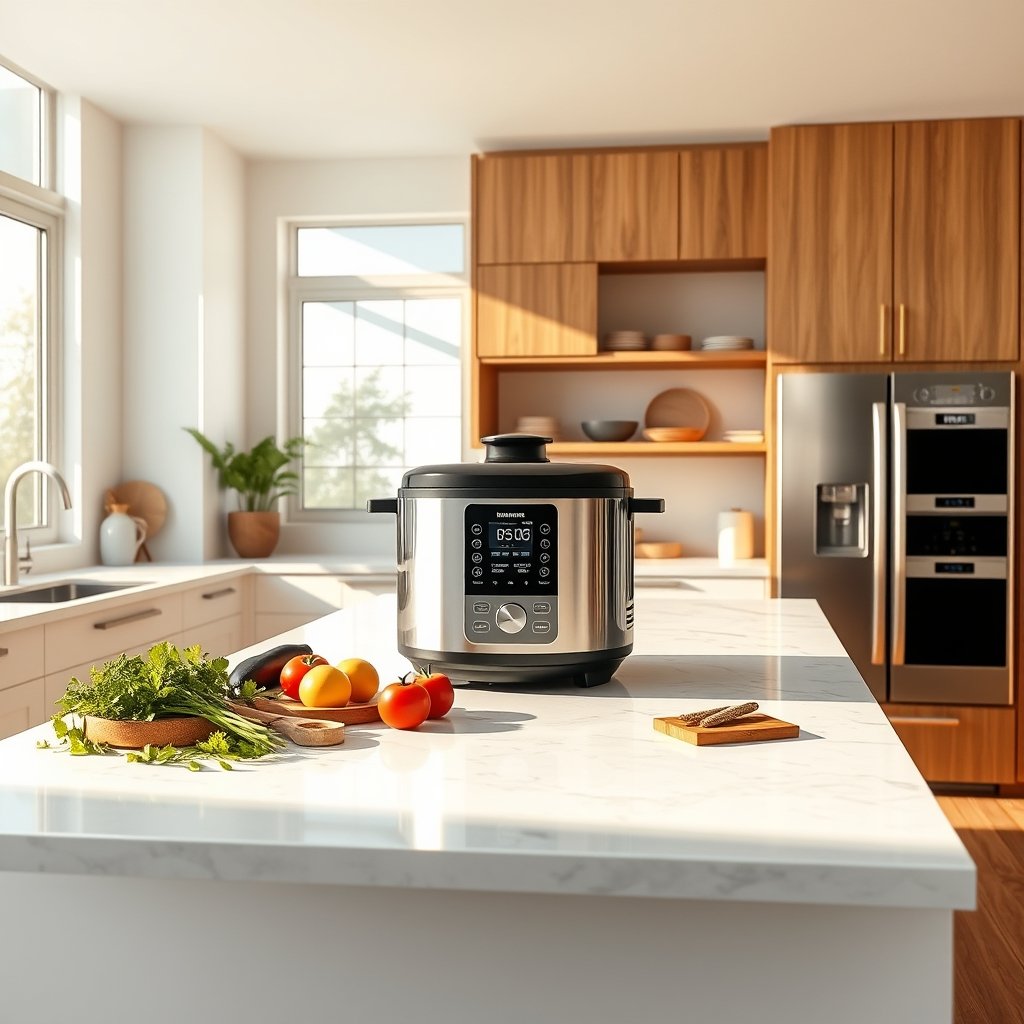
Owning a slow cooker, air fryer, rice cooker, and a pressure cooker quickly eats up counter and cabinet space. By comparison, a single best multi cooker all in one appliance (especially a 6-quart model) cuts clutter drastically.
On upfront cost, a decent quality slow cooker, air fryer, and rice cooker easily total $200–$350; many high-performing multi cookers sit in the $100–$180 range. However, ovens, ranges, and cooktops still dominate with nearly 85% of U.S. household kitchen appliance market share ([source](https://market.us/report/us-household-kitchen-appliances-market) external).
Trade-Offs: The best multi cooker all in one appliance excels at batch cooking, stews, rice, and more, and most 2026 models even have air-fry functions. However, some functions—like browning large cuts of meat or baking—still lag behind a true oven or dedicated air fryer. Know where you can compromise.
What features actually matter when replacing multiple devices
Don’t let glossy ads distract you—when replacing slow cookers, air fryers, and more with a Multi Cooker, these are the crucial features:
- Wattage and heating type – Directly affects searing, air-fry crisping, and cook times. Look for at least 1000W for air-fry and fast pressure cook performance.
- Inner-pot material – Stainless steel lasts much longer than non-stick, tolerates rough use and is generally safer for frequent pressure cooking.
- Programmable functions – The more true cooking modes (pressure, slow, sauté, sous vide, bake, yogurt), the better it can replace single-purpose devices. Compare actual numbers, not just a printed “10-in-1” marketing blurb.
- Smart sensors – Accurate temperature, lid-lock, and pressure sensors are essential for consistent results and safety.
- Physical footprint – 6-quart models often fit in standard cabinets; check dimensions carefully if space is premium.
- Accessory compatibility – Optional air-fry lids, spare silicone rings, and racks make your multi cooker truly multi-purpose. The Instant Pot accessory ecosystem leads here (see examples).
Data gap: Research shows most top articles omit real side-by-side wattage comparisons, heating element types, and actual programmable function counts—yet these have the biggest effect on your ability to actually replace a dedicated appliance.
The 6-quart multi cooker (2026) — the sweet spot for most households
Why does the 6 quart multi cooker 2026 segment matter? For couples and families, six quarts provides enough volume for meal prep or leftovers, while fitting most rental or medium-sized kitchens.
Market leaders like Instant Pot offer 6-quart models with extensive functions (pressure cook, slow cook, sauté, air fry, yogurt, sous vide, sterilize, keep-warm) and better accessory support. Look for manufacturer data on:
- Wattage (ideally 1000W–1500W for robust performance)
- Inner-pot type (stainless vs. non-stick)
- Genuine programmable modes (not just “keep warm” with a different name)
- Smart-ecosystem compatibility (WiFi/app sync, firmware updates, voice control if needed)
Side-by-side evaluation is essential. In our research, 6-quart models are consistently best for balancing batch size and cabinet fit. See real specs, not just blurbs, to make comparison shopping useful. For more appliance space savers, see our portable air fryer small spaces guide.
Smart multi cooker WiFi — benefits, common failures, and whether to buy
Nearly 60% of 2024 units sold had smart WiFi features. The best Best smart model models let you sync recipes, start, or monitor remotely, and receive auto-updates. In reality, many users complain about:
- Intermittent Bluetooth or WiFi connectivity—timers or programs get interrupted
- App glitches—missed notifications cause overcooking or loss of custom recipes
- Firmware updates occasionally breaking key features (manufacturer updates vary)
Should you buy WiFi? If recipe sync and remote monitoring are must-haves, check app reviews and company update history. Otherwise, classic digital models are more reliable and less frustrating. For smart kitchen upgrades, our AI Smart Oven guide covers voice and camera features—what actually works.
Multi cooker pressure cooker combos — what reviewers miss and frequent negative experiences
Combo models are marketed as replacements for both slow cooker and pressure cooker (and often air fryer). Here’s what most reviewers overlook, and what actual owners complain about most:
- Pressure-release valve inconsistencies—leading to safety concerns or failed recipes
- Lid-lock sensor problems—device refuses to start, or randomly shuts down
- Yogurt cycles failing—either burning milk or never reaching fermentation temps
- Limited air-fry performance—rarely matches the crispness of a top-rated portable air fryer
- Overheating shutdowns after repeated use—especially with budget models
| Combo Feature | Common Issue | Mitigation / Test |
|---|---|---|
| Pressure Cook | Inconsistent pressure release | Test with water cycle; ensure valve clicks, steam rushes out predictably |
| Lid Lock | Sensor fails, error codes | Check for debris, listen for firm click when locking |
| Air Fry | Pale/crispness lacking | Compare test fries or frozen snacks to a dedicated air fryer |
| Yogurt | Temp instability | Use a food thermometer; verify set and hold temps |
Red flag: most complaints cite pressure release and air fry performance. Test these features in-store if possible, or look for return-friendly online sellers. You might also want to review our best practices for countertop appliances to minimize future hassles.
Performance testing and metrics top ranking articles omit
You want real assurance, not just marketing. Too many reviews skip proper, measurable testing:
- Wattage vs. Real Cook Time: Does a 1200W model actually cook faster than your stove?
- Energy Consumption: Compare average power draw per meal versus a stovetop or oven.
- Noise Level: Some models run silent, others exceed 70dB and will bother you in small kitchens; look for lab-test data or bring a decibel meter if possible.
- Durability/Cycle Count: Does the device last after 200+ uses? Request cycle-life info or buy extended warranties on budget units.
- Accessory/Addon Compatibility: Can you easily find spare rings, racks, and new inner pots?
- Comparative Cooking Times: Demand side-by-side cook results (beans, rice, stew) vs both stovetop and dedicated appliances.
For all these metrics, if the manufacturer doesn’t publish real data, consider this a warning sign. See our in-depth guide on comparing appliance specs for more test protocols.
Troubleshooting and maintenance buyers wish they’d known
You’ll get the best results—and avoid early replacement—if you address these early:
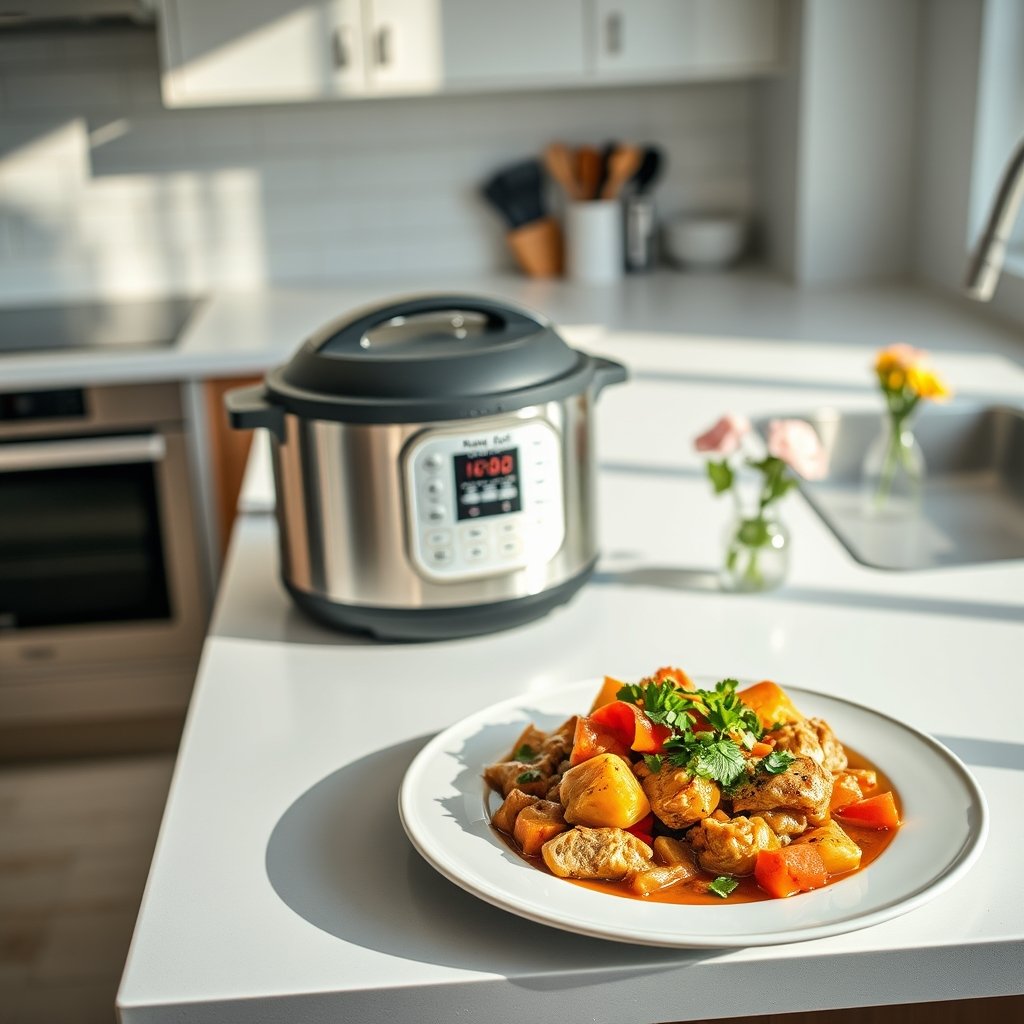
- Always handwash the silicone sealing ring and replace yearly (or with curry/heavy use) to prevent odors.
- Test the pressure- and lid-lock sensors at purchase; run a water-only cycle and watch for error codes or stuck sensors.
- For WiFi/app issues, resetting the app or device after firmware updates typically solves 90% of recipe or connection problems.
- Have spare parts on hand: extra silicone ring, extra inner pot (non-stick wears out faster than stainless), and a spare trivet/rack.
- For cleaning, alternate vinegar soaks (removes scale in pressure mode) with gentle dish soap and a soft cloth. Avoid abrasive pads on non-stick!
Most manuals are incomplete or poorly organized—online owner forums and detailed multi cooker slow cooker air fryer guides often fill the gaps. Bookmark troubleshooting steps and save setup diagrams for fast fixes.
Best picks by use-case — quick recommendations
Based on 2024 data—replacement buyers made up about 34% of sales—here are specific 6 quart multi cooker 2026 options for different needs. We call out both strengths and real user complaints (red flags).
- Best all-round 6-quart: Instant Pot Duo Crisp + Air Fryer 6-Qt — reliable, spacious, good accessory support. Red flag: Air fry mode doesn’t perfectly match a true air fryer. (full review)
- Best budget all in one: Instant Pot Rio 6-Qt — fewer smart features, solid cooking performance, easier on wallet. Red flag: Lacks advanced app/recipe sync.
- Best smart model: Instant Pot Pro Plus 6QT Smart Multi-Cooker — WiFi, app, voice control, robust safety sensors. Red flag: Frequent connectivity/app complaints in real reviews. (see external test)
- Best air-fry performance: Best air-fry performance Ninja Foodi 6.5-Quart Pressure Cooker Air Fryer — top crisping, fastest air fry cook times. Red flag: Heavier, larger lid; not ideal for very small kitchens.
- Best minimalist pick: Cuisinart 6-Quart 3-in-1 — simple, no WiFi, rugged stainless inner pot. Red flag: Fewer programmable modes; no yogurt/air fry.
If you regularly batch cook, prioritize programmable modes and accessory support. App-dependent consumers should prioritize WiFi/app reliability scores over sheer feature count. Also see our compact espresso machine apartment guide for more space-saving recommendations.
Final quick-buy checklist + decision flow
Before you buy a Multi Cooker to replace other appliances, use this quick checklist—in-store or online. Remember: only 9–10% of U.S. households use them, despite 12 million units sold in 2024. Run each question:
- Do I have enough counter and storage space for a 6-quart model?
- Is the wattage (1000W+) high enough for my speed and air-fry needs?
- Is the inner pot stainless steel for durability, or am I OK replacing non-stick regularly?
- Does the unit have the specific programmable modes I use (pressure, slow, air fry, yogurt, etc.)?
- Is the WiFi/app reviewed as reliable, or will “dumb” digital be simpler for me?
- Can I find accessory and spare parts easily (rings, racks, replacement pots)?
- Did I find lab-verified cook times, noise, or energy data—beyond just spec sheets?
- Does it come with at least a 1-year full warranty and responsive customer support?
If you said “No” to more than two, keep shopping—or consider only replacing some appliances, not all. For a kitchen-by-kitchen approach, see our tips on boosting prep space with workstation sinks.
FAQ
Can one multi cooker really replace a slow cooker, air fryer, and rice cooker?
Yes, a quality multi cooker can handle most recipes from these appliances. However, true air fryers usually still produce crispier results, and rice cookers may cook faster/simpler. For everyday home cooks, a good 6-quart model is 90% as effective for these tasks.
How long does a typical multi cooker last with heavy use?
Most last 3–5 years with proper care (regular sealing ring and inner pot replacement). Stainless steel pots last longer than non-stick. Running frequent high-heat cycles (air fry, pressure) can shorten lifespan if not cleaned carefully.
Are smart WiFi models worth the premium?
Only if you value remote control, recipe sync, or voice assistant integration. Otherwise, many owners experience frequent app issues. For maximum reliability, a non-WiFi digital model is safest.
What are the biggest complaints about multi cookers?
Common complaints include inconsistent pressure release valves, confusing sensors, app glitches, failed yogurt or air fry cycles, and weak documentation. Look for units with responsive customer support and accessible spare parts.
Can I use my old accessories with a new 6 quart multi cooker 2026 model?
Usually, only if the brand is the same. Instant Pot accessories often fit multiple generations, but always check manufacturer fit and safety recommendations before mixing or reusing components.