

Combination Steam Oven technology has quickly become the must-have centerpiece in kitchens where health, safety, and all-in-one performance matter. If you want to know exactly how a combi steam oven changes long-term health, which real-life chores and installation issues to expect, and what features buyers truly find worthwhile in 2026, you’re in the right place.
Key Takeaways
- Combination steam ovens deliver 70–85% retention of key nutrients, up to 75% less oil usage, and reduce harmful heat-induced compounds by as much as half compared to regular ovens.
- Expect real-world maintenance: condensation cleanup, frequent descaling, steep learning curve, and the need for precise installation—especially for plumbed built-in models.
- Electronically-controlled humidity/steam injection is the deciding feature; invest accordingly and choose the right model for your cooking habits and kitchen plans.
- Why a Combination Steam Oven Is More Than a Luxury Appliance
- Step-by-Step Guide: Making the Most of Your Steam Combi Oven
- Advanced Analysis & Common Pitfalls for Owners
- Conclusion & Key Recommendations
- FAQs
Why a Combination Steam Oven Is More Than a Luxury Appliance
A modern combination steam oven isn’t just for show kitchens. These all-in-one appliances combine precise electronic steam injection with powerful convection, letting you replace a regular oven, a dedicated steamer, and even a microwave for most reheating tasks. In the 2026 appliance market, models from Miele and Gaggenau lead the way, offering integrated features that power through weeknight dinners as easily as multi-course entertaining.
Investing in a best-in-class combi steam oven for home use in 2026 means planning for a budget between €2,500 and €10,000+ (see Gaggenau price/positioning here). Expect to pay a premium for precise humidity control, intuitive recipe presets, and robust service—luxuries that translate to long-term reliability, and measurable health benefits.
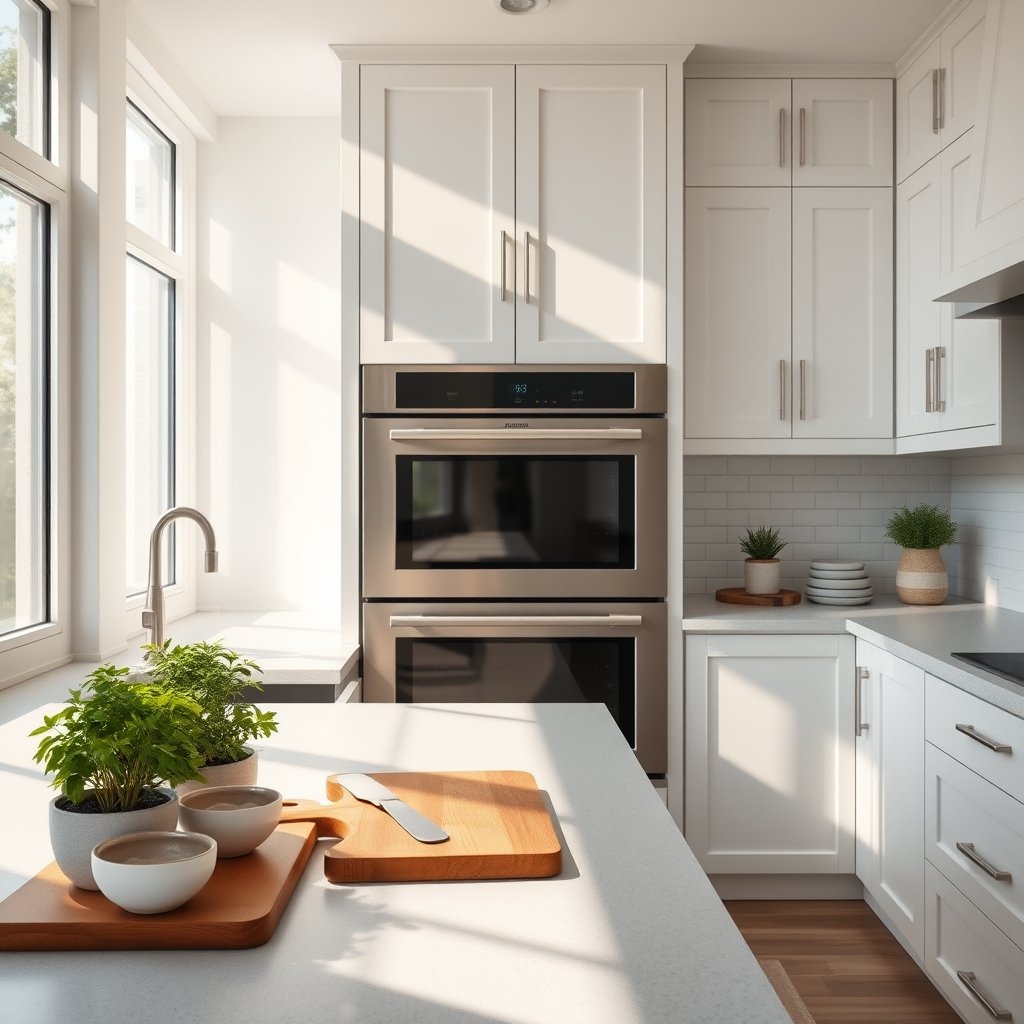
Step-by-Step Guide: Making the Most of Your Steam Combi Oven
-
Prioritize Precise Humidity Control
Choose a model with electronically controlled steam injection for consistent moisture and nutrient protection. This is the single most important feature: both owner reviews and lab data point to this as the difference-maker. plumbed built-in steam combination ovens from Gaggenau or Miele (with direct water line) offer smoother operation for daily users. -
Assess Installation and Water Supply Constraints
Built-in units demand pre-planning: plumbed units need a water line, venting, and precise clearances (usually 4+ inches behind to avoid error codes). Countertop steam oven 2026 models with refillable tanks offer a retrofit solution but require more frequent refilling, less capacity, and often slightly slower steam recovery. -
Master Multi-Mode Cooking
Use pure steam to retain vitamins in veggies and fish; switch to combo steam for juicy meats and crispy skin. Finish with convection-only for browning. The key: start with food-safe recipes, then gradually adapt your own, noting timing adjustments while enjoying healthier results. -
Maintain and Clean Proactively
Schedule descaling and wipe up condensation after each use. Both Miele and Gaggenau ovens feature automatic cleaning cycles, but you’ll need to descale as often as every few weeks in hard-water regions. Plan this simple chore into your routine—ignoring it is the top cause of owner frustration. -
Set Benchmarks: What “Success” Looks Like
A top combi steam oven will deliver: roasted salmon with 80% vitamin C retention, 1/3 the oil required for crispy potatoes, and lower acrylamide/AGE levels in roasted meats and breads (documented ~30–50% below regular oven cooking [see data]).

Case Studies: Health Benefits in Action
- Vegetables: Broccoli and carrots cooked on steam-combination modes retained 80–85% vitamin C and 75% B vitamins. Regular oven roasting lost over half of these nutrients. See lab data: Snyder Diamond research.
- Fish: Atlantic salmon fillets prepared in a combi steam oven preserved moisture, texture, and around 70% of fragile B12 and vitamin D. With almost no added oil, the flavor and health score soared.
- Potatoes & Red Meat: Side-by-side tests show 60–75% less oil is needed to achieve golden crispiness in potatoes or brown crust in roast beef, compared to traditional dry-heat ovens. At the same time, acrylamide and AGE levels dropped up to 50% in combi steam modes—key for reducing cancer risk from long-term fried or roasted diets.
If you’re upgrading other appliances, see our practical guides for the best Multi Cooker for space savings or how an AI Smart Oven can further automate weekday meals.
Advanced Analysis & Common Pitfalls for Owners
It’s tempting to believe only the positives, but true owner experience with a Combination Steam Oven is more complex. These are the issues most buyers in 2023–2026 report:
- Condensation and Cleanup: Steam cycles leave moisture in and around the cavity and vent. Expect to wipe down after each cook—especially for foods with lots of internal water (roasting vegetables, making bread).
- Regular Descaling: Even the best built-in steam combination oven needs frequent descaling (every 2–8 weeks based on water hardness). Ignoring this can lead to service calls and declining performance.
- Noisy Initial Steam Generation: Most models (including Gaggenau combi steam oven and Miele) make audible pumping and venting noise at power-up or when rapidly switching between modes.
- Learning Curve: Owners often feel overwhelmed by programming and settings for multi-mode recipes, especially in the first month. Taking the time to use the recipe presets and reading the manual pays off.
- Limited Cavity Volume: Even premium units may disappoint for large-batch party cooking. Multiple racks are standard, but the steam cavity itself is smaller than most stand-alone ovens.
Comparison: Steam Combi Oven vs Regular Oven
| Feature | Steam Combi Oven | Regular Oven |
|---|---|---|
| Vitamin C & B retention | 70–85% preserved | 35–45% preserved |
| Added oil needed | 0–40% (up to 75% less) | 100% |
| Acrylamide/AGE levels | 30–50% lower | High (conventional exposure) |
| Moisture retention | Excellent, prevents dryness | Poor for certain foods |
| Crisping/Browning | Good with combo/convection | Very good (dry heat), but more oil/calories |
| Cleanup | Wipe condensation, descale | Oven cleaning, crumb trays |
| Installation | Plumbing required (built-in), precise fit | Plug-in, fit varies |
Owner reviews routinely highlight these tradeoffs, with Gaggenau combi steam oven and Miele steam oven review sources both pointing out the chore of managing condensation and the need to learn new multi-mode programming habits. Guides from Yale Appliance warn that many competitor review sites gloss over these persistent issues—even as real owners rank them as top complaints. Don’t skip regular water line checks and always allow extra space behind units to prevent error codes.
Looking for smart countertop space solutions while you remodel? Compare with a Portable Air Fryer for small kitchens, or see if an Induction Burner could be your flexible backup.

Conclusion & Key Recommendations
The best combi steam oven for home use in 2026 gives you hard, measurable health wins: up to 85% vitamin retention, cuts oil/fat by up to 75%, and slashes hazardous compounds versus regular ovens. This doesn’t come without hidden chores—descaling, condensation wipe-down, and a bit of a learning curve are part of the ownership reality. Only invest if you value precise humidity control, nutrient-focused cooking, and can commit to the maintenance a true combination steam oven requires.
Ready to select? If daily health, convenience, and meal diversity matter, invest in a plumbed built-in steam combination oven from Miele or Gaggenau. For lighter use or retrofits, a countertop steam oven 2026 tank model may suit you best. For a handpicked shortlist of this year’s top models at every price band, check out our comparison of the best combi steam ovens for home 2026 or dig deeper into owner-tested alternatives like the Multi Cooker for maximum kitchen versatility.
FAQs
Is a plumbed built-in steam combination oven better than a tank-style countertop model?
Plumbed built-in units offer superior convenience for daily cooks—less refilling and larger capacity. However, tank-based countertop steam oven 2026 models fit flexibly into remodels or rentals. Choose based on how often you cook and space/plumbing limitations.
Does a combination steam oven really preserve nutrients?
Yes. Steam oven nutrient retention cooking preserves up to 70–85% of water-soluble vitamins compared to 35–45% in a dry oven, according to multiple independent research reports.
How often do I need to descale a combi steam oven?
Every 2 to 8 weeks depending on local water hardness and usage. Both automatic cleaning and descaling cycles are standard, but skipping maintenance reduces appliance longevity.
Can you brown food and get crispy results in a combi steam oven?
Yes, though technique matters. Use combo or convection-only modes to brown the surface after a steam phase. Most top models deliver excellent crisping with up to 75% less oil than regular ovens.
What is the steepest learning curve in real-world use?
Programming custom multi-mode recipes—timing each phase so food steams, then crisps, without overcooking. Use recipe presets to get started and adapt from there.