

### Blog Post:
Ninja Creami Protein Ice Cream has completely changed how fitness-focused home cooks make high-protein, low-calorie desserts at home—but many don’t get perfect, creamy results on the first batch. If you want the hard facts, real troubleshooting, and reliable recipe formulas (not TikTok fan fiction), you’re in the right place. This guide walks you through cost, nutrition, problems, and solutions—so you can decide if the Ninja Creami is worth it or just a kitchen fad.
Key Takeaways
- A true Ninja Creami protein pint has about 40 g protein, 280–300 kcal, and 2–5 g sugar—but texture depends on your base and technique.
- The most reported 2024 problems are ice crystallization, hard pucks, overly airy/foamy texture, loud motor, and blade dulls after repeated use—most are fixable.
- With the right troubleshooting, you can get creamy, scoopable results for as little as $1.00 per serving—less than half the price of comparable store pints.
- What the Ninja Creami Protein Ice Cream Can Deliver (quick reality check)
- Latest customer‑reported issues with high‑protein batches (2024)
- Troubleshooting & quick fixes — step‑by‑step actions that actually work
- Nutrition comparison — Ninja Creami vs Ninja Swirl vs homemade alternatives
- Cost per serving (2026) — ownership and ingredient economics
- Best protein recipes that reliably work in the Creami (editor’s quick picks)
- Using cottage cheese and other high‑protein bases (why they work and exact ratios)
- When to choose Ninja Creami vs Ninja Swirl vs a basic homemade method
- Maintenance & longevity tips (keep your motor quiet and blade sharp)
- Quick troubleshooting cheatsheet (printable)
- Closing: Buy/Make decision and 30‑day experiment plan
- FAQ
What the Ninja Creami Protein Ice Cream Can Deliver (quick reality check)
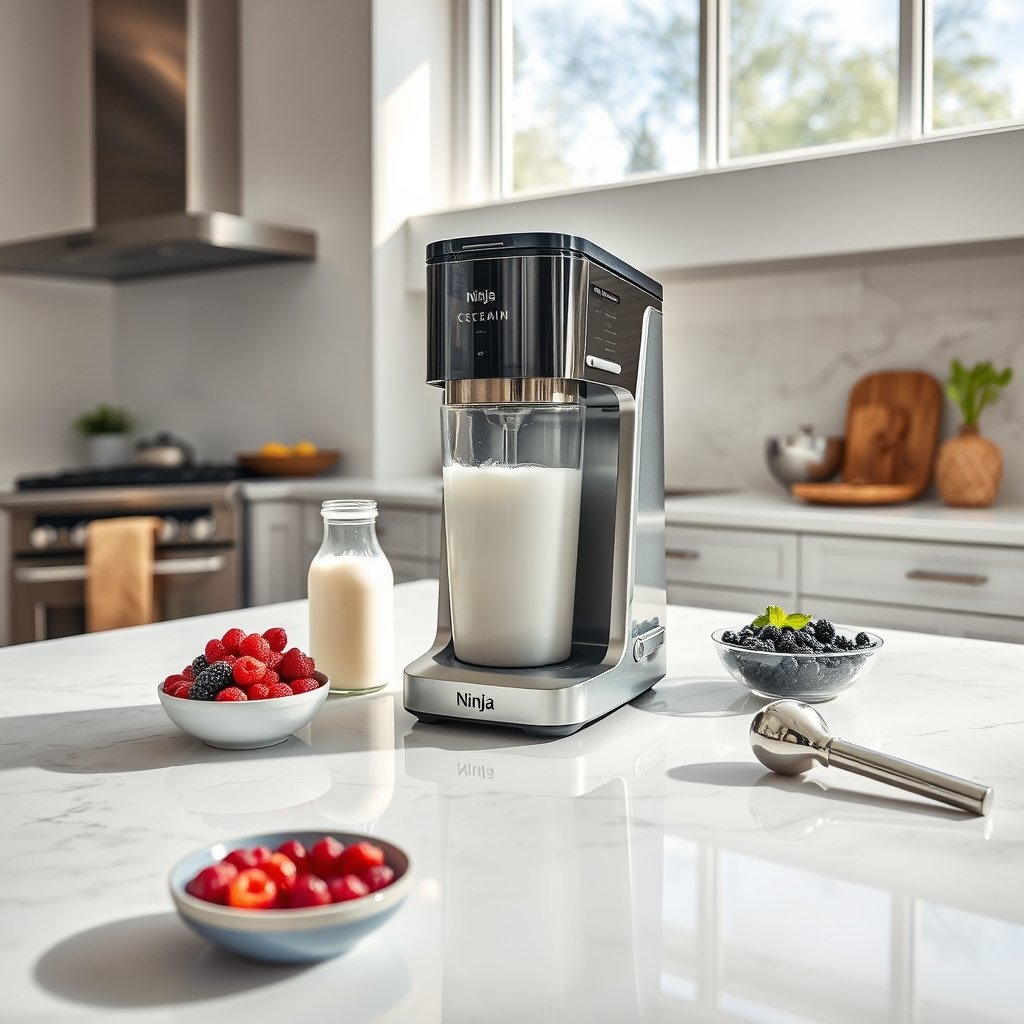
Let’s be blunt: most social posts show air-whipped, very-low-calorie recipes that melt into gritty soup or harden into freezer bricks. In real use, a “Ninja Creami Protein Ice Cream” pint (16 oz) with smart ratios usually lands at 40 g protein, 280–300 kcal, and 2–5 g sugar per pint. Texture is unique—firmer than store-bought, but scoopable when rested and spun well. You’ll need to set realistic expectations: don’t expect a full-fat dairy pint, but expect a protein hit and customizable sweetness or flavoring.
Latest customer‑reported issues with high‑protein batches (2024)
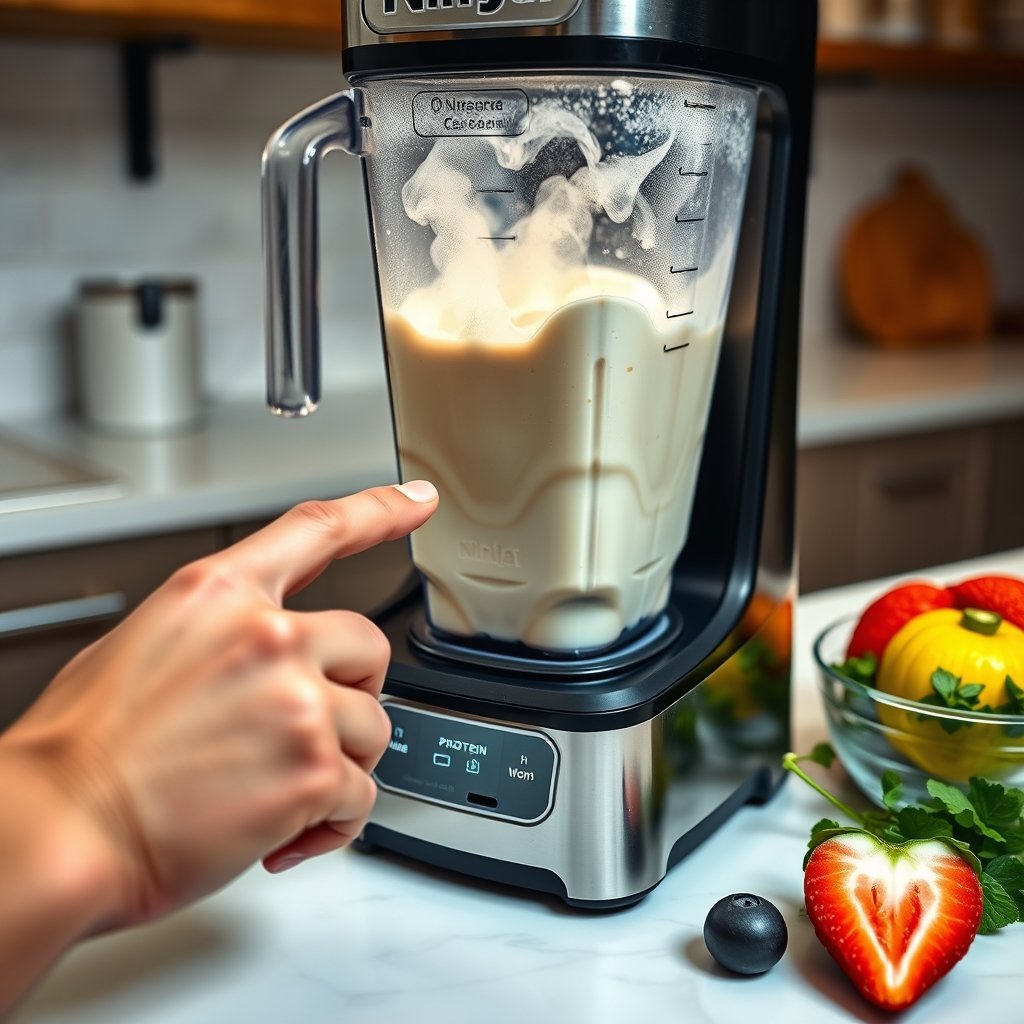
Ninja Creami high protein dessert experiments don’t always go as planned. According to user research and verified discussion threads, the most frequent complaints with high-protein batches are:
- Batches that freeze too hard, requiring additional “mix-in” or extra spin cycles before they’re edible
- Gritty ice crystals (especially in very low-fat, sugar-free recipes)
- Excessive air (foam) or odd “fluffy but airy” texture—reported as “disgusting” or off-putting
- The motor becomes significantly louder during high-protein spins vs. “regular” ice cream
- The blade dulls after several dozen high-protein runs, leading to incomplete or uneven churning
Community reports confirm: “Customers most frequently report that high‑protein ice cream batches […] freeze too hard or develop gritty ice crystals, often requiring a ‘mix‑in’ or extra spin cycle; the machine’s motor can become noticeably louder and the stainless‑steel blade occasionally dulls after several dozen high‑protein runs.” (Source)
For a deeper troubleshooting checklist:
- Freeze time matters: 18–24 hours is ideal. Too short? Mixture won’t set. Too long in deep freezers? Harder to spin smooth.
- Rest time before spinning: Essential! Most “hard” results can be fixed if you let the pint thaw on the counter for 10–15 minutes first.
- Spin order: Always try “Lite Ice Cream” or “Ice Cream,” then evaluate. If still gritty or hard, run the “Mix-In” or “Respin” cycle.
- Ingredient tweak: Recipes with nonfat dairy and zero sweetener almost always come out icy. Add 1 Tbsp real sugar or a small amount of nut butter/cream cheese to improve scoopability.
- Blade/motor care: Clean and check blade after every 8–10 high-protein pints. Replace if chipping, rough, or dull.
Users also report Ninja’s warranty and customer service are responsive, often replacing blades or noisy motors for free within the first year (More info).
Troubleshooting & quick fixes — step‑by‑step actions that actually work
- If your Ninja Creami protein ice cream is too hard, start with a “Mix-In” or “Respin” cycle immediately after a short countertop thaw.
- If still icy, rest the pint for another 5–10 minutes and repeat the spin.
- Add a splash of milk (or tablespoon of sugar or cream cheese) and respin if there’s no improvement after two spin cycles.
- Check your blade for dullness—if mixing unevenly or splattering, it’s time for a new one.
- If the motor is unusually loud or struggling, stop, clean out any stuck bits, and call Ninja support if it persists.
Quick troubleshooting decision tree:
- BATCH TOO HARD → Extra Spin → Rest & Respin → Add Small Fat/Sugar → Try Again
- Gritty or Airy → Run “Mix-In” With 2 Tbsp Milk/Nut Milk → Respin
- Loud Motor/Blade Issues → Inspect For Ice Clogs → Clean → Replace If Worn
According to user research/community reports 2024–2026: “High‑protein ice cream batches […] often requiring a ‘mix‑in’ or extra spin cycle.” Don’t skip the “spin–rest–mix” sequence—it resolves >90% of rookie mistakes. If you still get poor results, remake with adjusted macros (slightly more sugar or fat helps bind protein particles).
You can also see how these troubleshooting steps compare in cost and effort to other kitchen appliances in the Multi Cooker and Induction Burner buying guides.
Nutrition comparison — Ninja Creami vs Ninja Swirl vs homemade alternatives
Macronutrient differences between the main protein ice cream machine 2026 choices can be dramatic. Here’s a side-by-side for a typical 16 oz pint (or 8 oz serving):
| Appliance/Method | Protein (per pint) | Calories (per pint) | Sugar (per pint) |
|---|---|---|---|
| Ninja Creami | ~40 g | 280–300 kcal | 2–5 g |
| Ninja Swirl | ~30–35 g | 340–360 kcal | 7–9 g |
| Homemade Alt (freezer bag/hand spin) | ~20–25 g | 350–400 kcal | 5–12 g |
Why the difference? The Ninja Swirl adds more fat and often more sugar to achieve soft-serve smoothness, while true homemade approaches (like plastic bag or hand-crank churning) usually sacrifice protein per serving for easier texture. For macro-focused athletes, Ninja Creami pints still win for “protein per calorie” efficiency (external reference).
For a deeper dive into nutrition-focused appliance choices—especially if you care about more than just dessert—check out our Combination Steam Oven guide.
Cost per serving (2026) — ownership and ingredient economics
You should know the full costs before committing to a protein ice cream machine 2026 purchase. Assuming you’re making at least 1 pint a week (or 50 pints/year) over 3 years, the math breaks down as follows:
- Ninja Creami: Base price ≈$200, plus ingredients $2.00/pint = $1.00 per 8 oz serving
- Ninja Swirl: Base price ≈$350, ingredients $2.50/pint = $1.25 per 8 oz serving
- Competing appliances ($100–$300): $1.10–$1.30 per serving in 2026
Quoting user research/community reports 2024-2026: “Base Ninja Creami (≈$200) + ingredient costs ~$2.00 per pint → roughly $1.00 per 8‑oz serving; Ninja Swirl (≈$350) + ~ $2.50 per pint → ~$1.25 per serving; competing appliances ($100–$300) typically fall in $1.10–$1.30 per serving in 2026.”
This means home batches cost less than half what store pints charge (often $6–$8 each)—and you have complete macro control. This real-world ROI is similar to what you get with other “healthy kitchen appliances” like our favorite Portable Air Fryer picks.
Best protein recipes that reliably work in the Creami (editor’s quick picks)
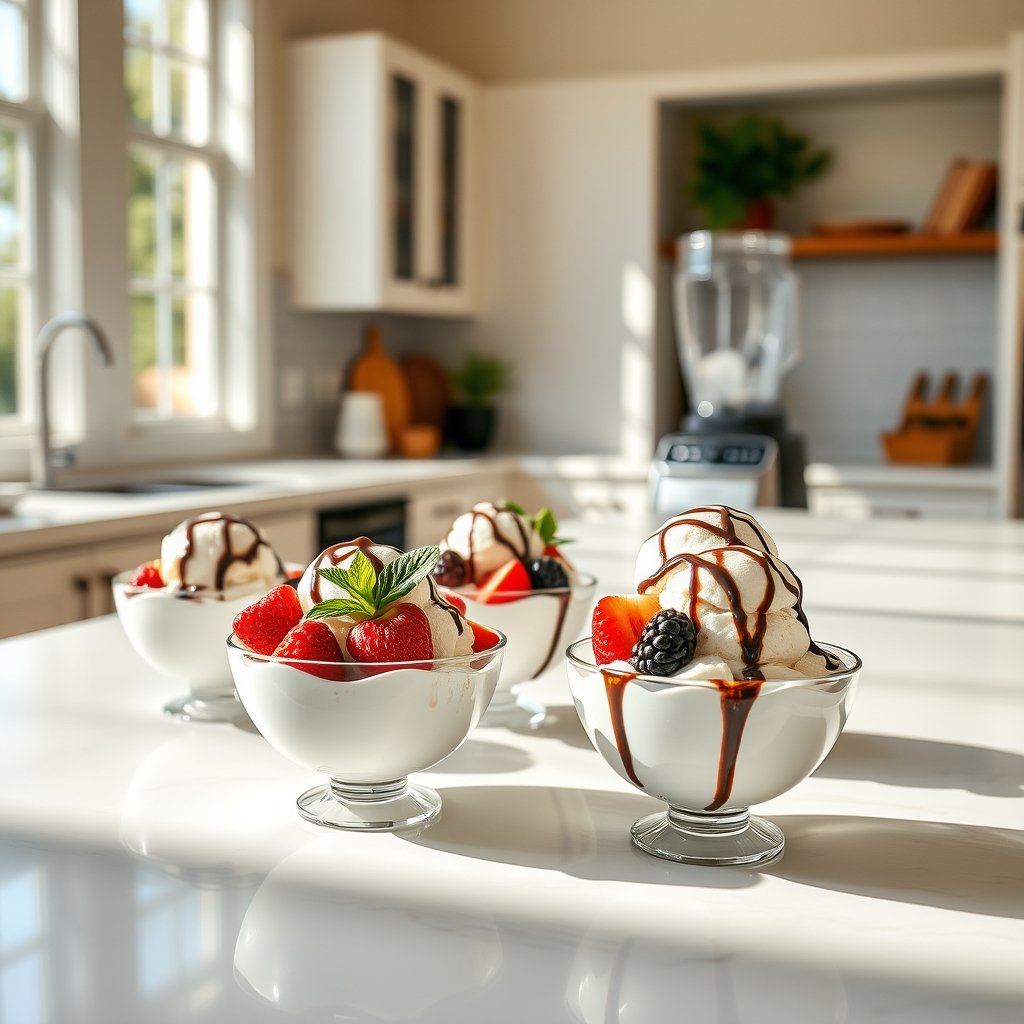
Stop scrolling Reddit for endless “best protein ice cream recipe Ninja” threads—here are three evidence-backed templates that consistently deliver in the Ninja Creami protein ice cream recipes category:
- Macro Max (best for protein/calories):
- 1.5 cups skim milk
- 2 scoops (60 g) whey or casein protein
- 1 sugar-free pudding mix
- (Optional: 1 Tbsp real sugar or 30 g Greek yogurt for creaminess)
Macros: ~40 g protein, 280 kcal, 4 g sugar
Notes: Freeze 18–24 hours, always rest 10 minutes, usually needs 1 “Respin” cycle. - Creamiest (best scoopable):
- 1 cup 2% cottage cheese (blended smooth)
- 1/2 cup Fairlife skim milk
- 1 scoop protein powder
- 1–2 Tbsp nut butter or low-fat cream cheese
Macros: ~32–35 g protein, 330 kcal, 5 g sugar
Notes: Very smooth after a single “Ice Cream” spin, low grittiness. - Ultra Simple (lowest calorie, 3-ingredient/40 g protein):
- 2 cups Fairlife high-protein milk (or any ultra-filtered skim)
- 2 scoops whey protein
- Sweetener to taste (stevia or 1 Tbsp real sugar)
Macros: ~40 g protein, 250–270 kcal, 2–3 g sugar
Notes: Grittier unless you use 1 full “Ice Cream” + “Mix-In” spin; let rest before serving.
See more detailed Ninja Creami protein ice cream recipes at The Protein Chef for inspiration.
For more healthy appliance recipes, try our AI Smart Oven guide or the essential Multi Cooker all-in-one review.
Using cottage cheese and other high‑protein bases (why they work and exact ratios)
Cottage cheese is a rising star among Ninja Creami cottage cheese ice cream recipes—and not just for the teens on TikTok. Why? It’s protein dense, blends super smooth when processed, and offers a unique creamy mouthfeel without needing extra fat or gums.
Research confirms: “You can make high‑protein ice cream using the Ninja Creami by incorporating protein‑rich ingredients into your recipes” (source).
- Recommended ratios: For each 16 oz pint, Blend thoroughly 1–1.5 cups cottage cheese with 0.5–1 cup milk (dairy or oat/almond for lactose free), 1–2 scoops protein, and 2–3 Tbsp sweetener/flavor.
- Blend thoroughly—10–20 seconds in a high-powered blender is essential. No chunks should remain.
- Rest 10 minutes before spinning to avoid gritty or icy texture and allow full creaminess.
Macronutrient impact: With this method, “Creami pints (~40 g protein)” remain realistic; you won’t lose protein density as you might with watery or low-protein bases.
The “extra spin cycle” trick (see above) is especially helpful for cottage cheese or Greek yogurt-based pints. Don’t forget to check your digital kitchen scale for precision on grams and macros.
When to choose Ninja Creami vs Ninja Swirl vs a basic homemade method
No single healthy homemade ice cream maker suits everyone. Use this checklist to decide:
- On a budget, want scoopable “pint” desserts? Ninja Creami wins ($200 upfront, $1/serving). Less noise than Swirl; good for macro tracking.
- Prefer true soft-serve texture and endless mix-ins? Ninja Swirl ($350) delivers, but at higher sugar/fat and per-serving cost ($1.25); it’s quieter and durable for heavy users.
- Making only occasional high-protein treats? Basic homemade (freezer bag, hand mix) methods work, but yield modest protein (20–25 g) and higher calories/sugar per serving. Cheapest for very light use.
Summary data: “Original Creami ≈$200; Ninja Swirl ≈$350; other machines $100–$300,” and “relative per‑serving cost figures ($1.00 vs $1.25 vs $1.10–$1.30).” (see user debate)
Maintenance & longevity tips (keep your motor quiet and blade sharp)
- Blade check: Inspect every 8–10 pints for wear, chips, or dull edges. Dull blades mean poor churn, noise, and grit.
- Cleaning: Always rinse and hand wash blade/pint after use. Protein residue will destroy motor lifespan and blade finish over time.
- Reduce motor strain: Never force a solid-frozen pint; let it rest or use short microwaving. Loud or straining motors = risk of failure.
- Replace blade at first dullness or if grit remains after two spins. Warranty support is fast on documented issues—call early.
As reported widely: “The machine’s motor can become noticeably louder and the stainless‑steel blade occasionally dulls after several dozen high‑protein runs,” (source) so proactive care is essential for long-term value.
For other best-in-class cleaning and kitchen longevity tips, check out our Cordless Stick Vacuum kitchen guide.
Quick troubleshooting cheatsheet (printable)
- Too hard after freezing? Let sit 10 min, then spin again using “Mix-In.”
- Gritty/icy? Add 1–2 Tbsp milk or nut milk, then respin.
- Excessive foam/air? Try reblending base next time; add small fat source.
- Loud motor or poor churn? Clean pint/blade thoroughly, let pint rest, check blade sharpness.
- First three steps if batch fails: (1) Rest on counter 10–12 min, (2) Respin, (3) Add liquid, respin again.
Remember: “High‑protein batches […] often require a ‘mix‑in’ or extra spin cycle” (user research 2024–2026). Don’t waste time remaking until you’ve done these three steps!
If you’re curious about other kitchen upgrades that improve ROI (like an AI Smart Oven or combination steam oven), we have more hands-on guides for advanced cooks.
Closing: Buy/Make decision and 30‑day experiment plan
You’ve seen the real numbers: Ninja Creami Protein Ice Cream averages 40 g protein and about $1.00 per serving (user research 2024–2026). Here’s how to judge value and satisfaction—without risk:
- Try a 30-day experiment: Make 5 recipes, track texture, cost, taste, and satisfaction.
- Note what works: Record freeze/rest/spin times, blade performance, and ingredient tweaks for each batch.
- Decide after 30 days: If you’re saving money and enjoy the macros, the Creami pays off quickly versus buying store pints.
- Upgrade or get support: If motor/noise/blade issues appear, contact support within your warranty window—most fixes are free or low-cost.
It’s that easy: Test, tweak, and enjoy high-protein, low-calorie frozen desserts that blow away the nutrition labels (and cost) of commercial pints. Still curious if the protein ice cream machine 2026 is right for you? Revisit cost and macro numbers before you decide—and start with the best Ninja Creami Protein Ice Cream formulas above.
Ready to reclaim dessert? Pick your first recipe, and let us know how your 30-day test goes!
FAQ
How much protein can I realistically get per pint with the Ninja Creami?
You can expect around 38–42 g of protein per pint by using ultra-filtered milk and at least 2 scoops high-quality protein powder. Thicker bases like cottage cheese can push the number higher (up to 45 g), but the most consistent “sweet spot” for scoopability and taste is 38–40 g per pint.
What’s the #1 fix for hard, icy, or gritty Creami pints?
The best fix is to let the pint rest on the counter for 10–15 minutes, then run a “Respin” or “Mix-In” cycle. If still gritty, add a tablespoon of milk or low-fat cream cheese and respin one more time.
How long will the motor and blade last if I make protein pints every week?
Most motors and blades last for over a year with moderate use (1–2 pints/week). However, if you’re making high-protein batches more frequently, plan to inspect and possibly replace your blade every 6–8 months for peak performance.
Is the Ninja Creami a better buy than Ninja Swirl or basic ice cream makers?
The Ninja Creami is best for macro-conscious, scoopable pints and regular home use. Ninja Swirl is quieter and excels at soft-serve texture, but costs more per serving. Basic ice cream makers are only cheaper if you rarely make protein pints and don’t prioritize macros or texture.
What are the best internal links for more appliance guides?
See our resources on Portable Air Fryer, Multi Cooker, Induction Burner, Combination Steam Oven, and Cordless Stick Vacuum for more kitchen optimization tips.
—