

### Blog Post:
Countertop Water Filter Dispenser buyers are switching in record numbers—but unless you know the real installation and maintenance tradeoffs, it’s easy to regret the wrong upgrade. Here’s exactly what to expect, what the best options actually deliver, and how to install a countertop system that fits both your kitchen and your wallet.
Key Takeaways
- Countertop water filter dispensers offer better contaminant removal, larger capacity, and true always-on convenience—but installation, flow rate, and maintenance are key to long-term satisfaction.
- Real-world flow rates can be much slower than expected, especially for reverse osmosis models; plan for longer fill times for pots and pitchers.
- Annual operating costs and filter lifespans vary dramatically—know your chosen model’s per-gallon cost and certification details for peace of mind.
- Why replace your pitcher with a Countertop Water Filter Dispenser?
- Most common user problems when upgrading from pitchers
- What the top countertop models deliver in 2026
- Installation checklist — what to expect and how to avoid surprises
- Real flow-rate expectations and how they impact daily use
- Ongoing maintenance, filter lifespans and true operating cost
- Head-to-head buyer decision: Countertop vs Under-sink vs Reverse-Osmosis
- Quick-install options and low-effort picks
- Final recommendations — 3 scenarios
- FAQ
Why replace your pitcher with a Countertop Water Filter Dispenser?
If you’re tired of refilling plastic pitchers or buying endless bottled water, upgrading to a countertop water filter dispenser is a step-change in convenience and contaminant removal. Unlike pitcher filters (often rated for just 20–40 gallons), top countertop water filters—for example, the 1,100 gallons per cartridge Waterdrop Countertop—boast lifespans up to 1,100 gallons per cartridge and reduce far more contaminants due to larger, multi-stage designs. This translates to lower per-gallon costs and fewer interruptions for filter swaps or refills.
You also gain on-demand access to filtered water at your kitchen sink, with no waiting for slow drip pitchers or heavy bottled deliveries. Certified countertop units often remove chlorine, lead, PFAS, VOCs, and even viruses—outperforming cheap pitcher filters by a wide margin (source).
However, there are tradeoffs: Countertop dispensers can require more effort to install than expected, take up more counter space, sometimes create noise, and bring a higher up-front cost. Knowing these tradeoffs up front helps you choose a design that genuinely fits your home and routine.
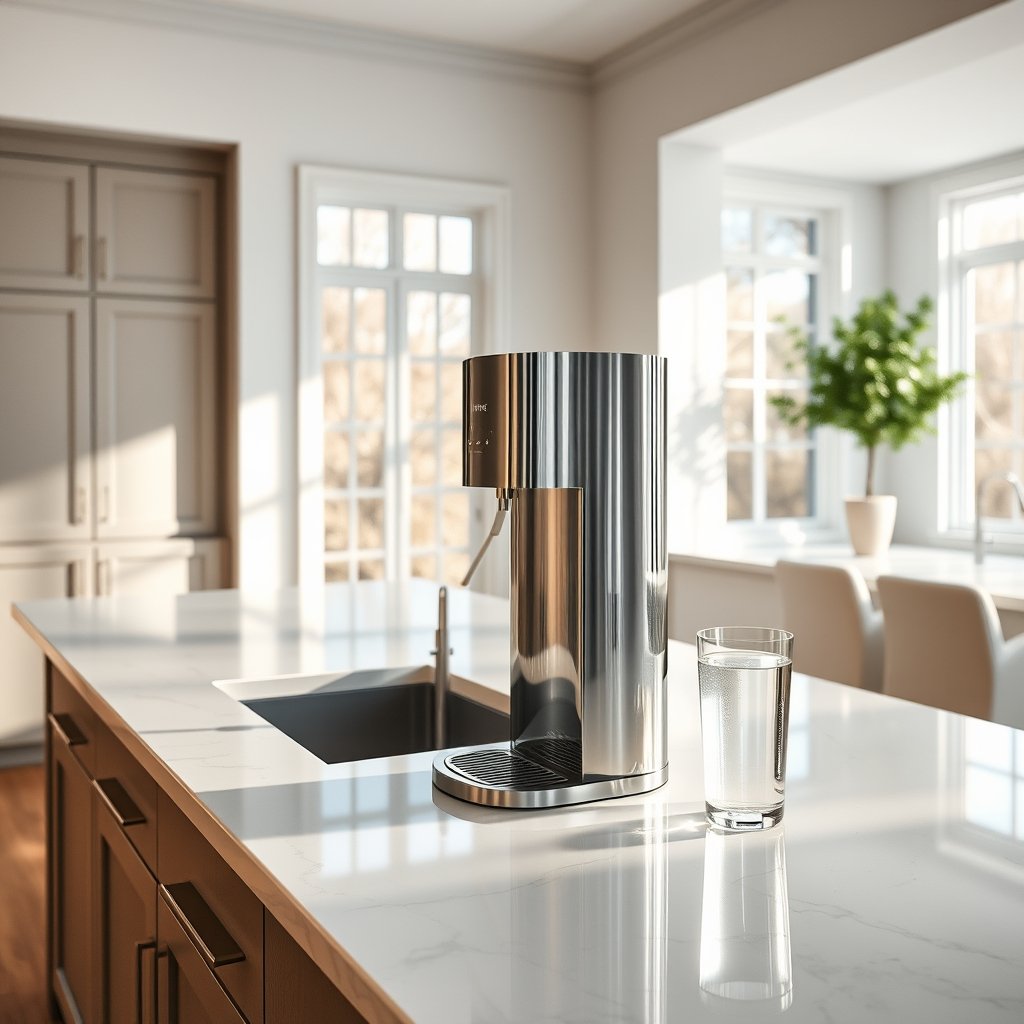
Most common user problems when upgrading from pitchers
Making the jump from pitchers to a point of use water filter upgrade is appealing—until you run into the user-reported headaches. Here’s what you can expect and how to sidestep the top issues:
Installation Surprises
Many countertop water filter dispensers (especially countertop reverse osmosis systems) need a dedicated outlet and enough stable space. RO models often require a proper hose-to-faucet or tap adapter and, occasionally, a booster pump. Some users discover too late that their faucet is incompatible or their counter can’t fit a bulky system. Always measure your available space and check adapter compatibility before purchase (source).
Flow Rate Reality
Most buyer complaints center around flow rate. Plug-and-play RO dispensers like the AquaTru Classic deliver roughly 0.03 gallons per minute—equivalent to about 2 gallons per hour. “Filter-as-you-pour” gravity systems, such as Berkey, can take up to 15 minutes to fill a single quart, making them unsuitable if you need fast refills for cooking or guests.
Even composite/charcoal filter models (like Waterdrop Countertop) need periodic maintenance to avoid slowdowns due to clogging. Make sure to assess your daily filtered water volume needs and don’t assume advertised max flow rates reflect real-life use.
Ongoing Maintenance Surprises
Short filter lifespans can become an expensive hassle. Common pitcher cartridges may last only 20–40 gallons, while premium countertop units reach 1,100 gallons per cartridge (Waterdrop Countertop) or up to 2,900 gallons (Waterdrop G3P800 RO). High-capacity filters cost more up front, but can cut annual costs dramatically versus pitcher filters.
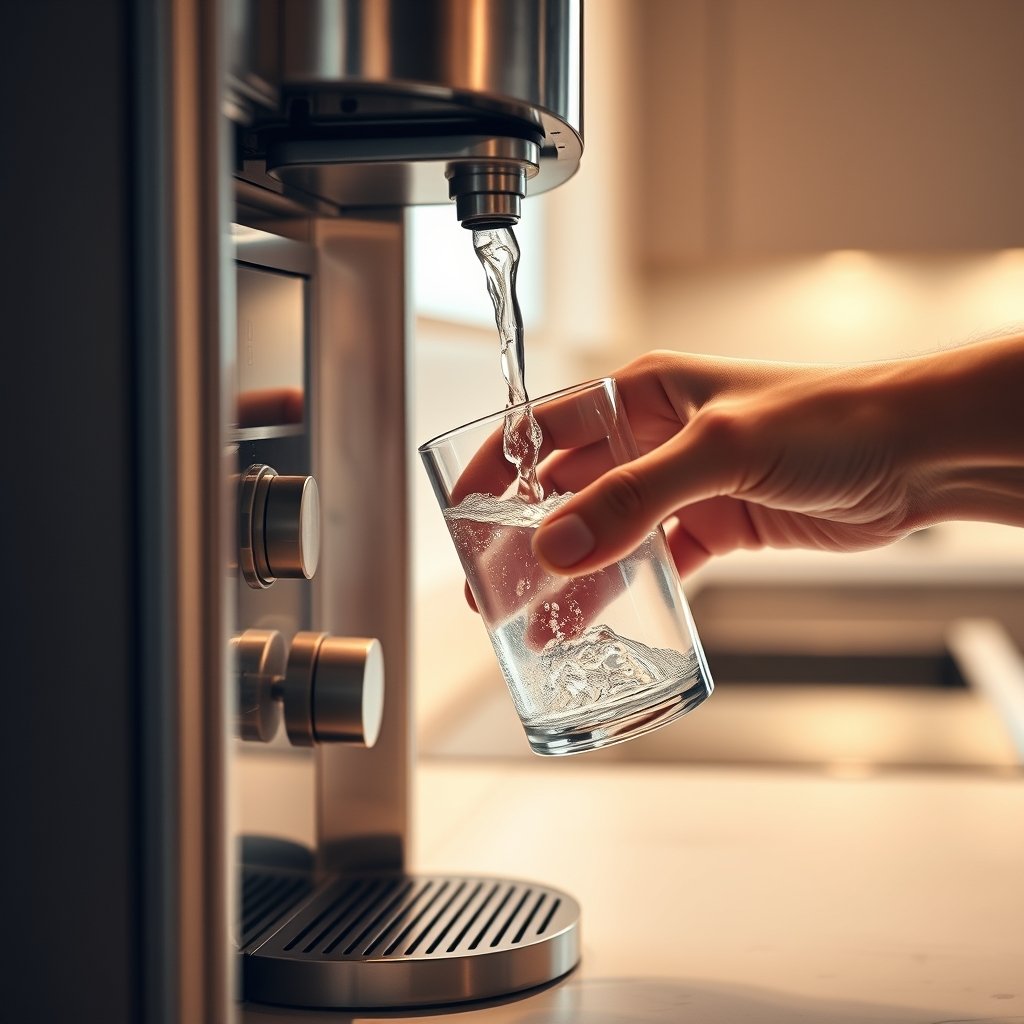
What the top countertop models deliver in 2026 (quick comparison)
The best countertop water filter 2026 lineup brings dramatic differences in contaminant removal, per-gallon cost, and flow speed. Don’t shop on marketing alone—here’s how leading models match up:
| Product | Certifications | Gallons per Filter | Estimated $/Gallon | Flow Rate Note | Install Complexity |
|---|---|---|---|---|---|
| AquaTru Classic | NSF/ANSI 42, 53, 58, 401, 372 | ~300 | $0.04 | RO, ~0.03 gal/min (≈2 gal/hr) | Moderate (outlet, hose) |
| Waterdrop G3P800 | NSF/ANSI 58, 372 | Up to 2,900 | $0.05 | Tankless RO, Fastest RO | Moderate (outlet, hose, periodic pump) |
| Waterdrop Countertop | NSF/ANSI 42, 53 | 1,100 | $0.06 | Composite filter, decent flow | Easy (plug & play) |
| Berkey | Not NSF Cert, claims 200+ contaminants | 6,000 (2-element system) | $0.02 | Gravity, slowest but no power | Easiest (no plumbing/electric) |
Stats compiled and cross-verified from multiple lab-tested reviews (Source 1; Source 2)
RO systems like AquaTru and Waterdrop G3P800 excel at removing PFAS, chlorine, and heavy metals—making them ideal for families concerned about kitchen water quality, but they do require more power and space than gravity-fed alternatives. Berkey is the classic low-fuss choice for off-grid or no-outlet situations, though it lacks major third-party certifications.
If you’re also shopping for other compact appliances, see our Portable Air Fryer and Compact Espresso Machine guides for equally space-smart options.
Installation checklist — what to expect and how to avoid surprises
Don’t wait for your box to arrive—here’s the step-by-step prep to make sure your countertop water filter dispenser installs fast, with no tools or plumber required (unless you want them):
- Power: Reverse osmosis and electric pump models require a standard, grounded outlet within 3 feet of their setup.
- Stable Countertop Space: The system and any tanks must rest evenly on a surface at least 15 inches deep and stable. For smaller kitchens, consider what else will have to move.
- Faucet/Hose Compatibility: Most adapt to standard threads, but proprietary faucets (pull-out, spray, or European) may require an additional universal adapter kit. Test before installation.
- Tank vs. Tankless: RO dispensers may come with a tank (to be cleaned 2-4 times/year) or be tankless, which removes this step but can create instant-on noise during operation.
- Noise: Tankless RO and powered units may make a moderate hum during dispensing; not an issue for gravity systems or plug-and-play charcoal models.
- DIY or Pro Install: Expect about 5-15 minutes for gravity/composite, 30-45 for countertop RO. Renters can almost always self-install and remove without trace.
Want more kitchen hack checklists? Our Multi Cooker and Induction Burner guides offer similar what-to-check lists for fast setup.
Real flow-rate expectations and how they impact daily use
Countertop reverse osmosis systems and traditional composite-filter dispensers vary dramatically in real-world speed. Here’s what buyers should expect for typical kitchen tasks:
- Plug-and-play RO units: AquaTru Classic clocks just 0.03 gal/min (≈2 gal/hour)—so expect 5-10 minutes to fill a liter bottle, longer for full cooking pots.
- Tankless RO (e.g. Waterdrop G3P800): Can approach faucet speed, but only during membrane prime—slows or stops if filters clog or the pump needs cleaning.
- Gravity-fed filters (Berkey): Are entirely silent, but even slower: 10-15 minutes per quart is common.
- Composite/carbon flow-through models (Waterdrop Countertop): Straddle the middle with decent flow, especially if new, but see noticeable slowdowns at end-of-filter life.
If you typically fill large pots, choose a model with a higher rated flow and larger tank (or consider an upgraded workstation sink for better filling ergonomics). For singles or couples, compact flow-through units are usually fast enough and take less counter space.
Ongoing maintenance, filter lifespans and true operating cost
Predictable filter schedule and costs are why countertop water filter dispenser fans stay happy. Here’s a sample 12-month calendar and what to budget:
- Every 6–12 weeks: Quick scrub and rinse for any water reservoir, especially on gravity/tank models.
- Every 4–6 months: Replace charcoal/composite filters (Waterdrop Countertop: 1,100 gal, $70 per cartridge ≈$0.06/gal); check for any drop in flow.
- Every 12 months: Replace RO membrane (AquaTru Classic: ~300 gal each ≈$0.04/gal; Waterdrop G3P800: up to 2,900 gal, $145/yr ≈$0.05/gal).
- Tank cleaning: For systems with a tank, deep clean quarterly with mild vinegar solution to prevent bacteria.
Key insight: Short-lifespan pitcher filters run as high as $0.20 per gallon, while Berkey’s gravity filter drops to $0.02/gal (but is not NSF certified). Budget for a filter “top-up” a month early if your flow noticeably slows—it’s usually a sign of clogging, not failure (source).
Explore low-effort kitchen appliance maintenance with our Cordless Stick Vacuum setup tips.
Head-to-head buyer decision: Countertop vs Under-sink vs Reverse-Osmosis (three overlooked comparison points)
Not sure which kitchen water purifier suits your real household needs? Here are three overlooked but crucial comparison points:
- Usable Throughput vs. Claimed Specs: Most filters lose rated flow within months due to clogging—calibrate decisions by worst-case, not advertised, numbers. (Plug-and-play RO ≈0.03 gal/min; tankless RO or composite can be faster but only when filters are fresh.)
- Certification Transparency & Scope: NSF/ANSI certifications checked by accredited labs (AquaTru, Waterdrop) matter more than claimed numbers. For example, Berkey’s self-reported 200+ contaminant removal isn’t tested by recognized national labs (source).
- Operational Footprint Beyond Plumbing: RO units require outlets, can create wastewater, and need occasional tank/pump cleaning. Under sink water filtration system kitchen options may require hole drilling or minor plumbing. If hot and cold dispensing matter, seek a dedicated combination steam oven or hot water system—a water filter dispenser hot and cold combo is rare for true countertop use.
For whole house solutions, see these external recommendations.
Quick-install options and low-effort picks (best for renters or non-plumbers)
If your kitchen setup can’t change, or you’re renting and want your deposit back, your best bets are:
- Gravity-fed (Berkey): Zero plumbing, zero power—just fill and go. They’re slower and require more cleaning, but you can pack them for travel or camping.
- Composite/Charcoal Plug-and-play units (Waterdrop Countertop): No faucet adapters, plug in and fill the reservoir. Easy to clean and swap filters.
- Countertop RO units (AquaTru): Require a simple hose-to-tap hookup and outlet—no permanent changes, but may not suit ultra-compact counters. Use a universal quick-fit adapter if your faucet is non-standard.
Never rent a used filter system (for sanitary reasons), but some models qualify for low-cost trial periods or buyback offers—check before investing.
Final recommendations — 3 scenarios (speed, lowest ongoing cost, best contaminant removal)
Shopping for a Countertop Water Filter Dispenser? Here are actionable winners for the most common buyer goals:
- For fastest fill and flow: Waterdrop G3P800 delivers near-instant RO filtration, up to 2,900 gal/year, and the lowest annual hassle, with broad NSF/ANSI certification.
- For lowest ongoing cost (and no power): Berkey is unbeatable at ≈$0.02/gal and requires no electricity, with proven bacteria/virus removal (but not NSF-certified for lead or PFAS).
- For best contaminant removal and strict certification: AquaTru Classic holds five NSF/ANSI certifications and offers thorough RO-level removal of dangerous contaminants; just plan for a slower flow if you have a big family.
| Product | Certifications | Gallons/Filter | Estimated $/Gal | Flow Note | Install Complexity |
|---|---|---|---|---|---|
| AquaTru Classic | NSF/ANSI 42, 53, 58, 401, 372 | ~300 | $0.04 | RO, slowest (≈2 gal/hr) | Moderate: outlet, hose |
| Waterdrop G3P800 | NSF/ANSI 58 & 372 | Up to 2,900 | $0.05 | Tankless RO, fastest | Moderate: outlet, hose, pump |
| Waterdrop Countertop | NSF/ANSI 42/53 | 1,100 | $0.06 | Composite, average speed | Easy: plug & play |
| Berkey | Not NSF, claims 200+ | 6,000 (2 elements) | $0.02 | Gravity, slowest | Easiest: no install |
Table values aggregated from lab/independent testing—see: FilterPicks Review,
Quality Water Lab, and CNET
FAQ
Do countertop water filter dispensers really remove more contaminants than pitchers?
Yes. Most countertop units use multi-stage filters, reverse osmosis, or advanced carbon blocks. These remove more contaminants—like PFAS, lead, and VOCs—than basic pitcher filters, which are often limited to chlorine and a few heavy metals.
Is installation difficult for countertop dispensers?
Most install in 10–30 minutes without a plumber. Plug-and-play and gravity systems are easiest. RO models may need a hose adapter and power outlet. Always check your counter space and faucet type before buying.
How often will I need to replace filters?
Composite or RO systems last 6–12 months (1,100–2,900 gallons). Basic pitcher filters often last only 1–2 months (20–40 gallons). Always follow your model’s schedule for best flow and safety.
What’s the real flow rate I should expect?
Gravity and RO systems are slow: RO is about 0.03 gal/min (2 gal/hour) and gravity units take 10–15 minutes per quart. Composite-flow models are faster—good for singles/small households, slower for large families.
Are countertop dispensers good for renters?
Yes. Gravity and composite countertop water filter dispensers need no tools or permanent installation. Most can be moved easily and leave no trace when you move out.
In summary, a Countertop Water Filter Dispenser is a practical, health-focused upgrade once you understand the real installation and maintenance tradeoffs. Get certified filtration and predictable operating costs, but make sure the system you pick matches your lifestyle and kitchen setup. Ready to enjoy cleaner, always-on drinking water? Pick your model today and reclaim both countertop space and peace of mind.
—