

### Blog Post:
Electric Coffee Grinder technology has changed how apartment dwellers brew rich, café-quality coffee at home, but choosing the right one isn’t obvious—especially if you want low noise, consistent flavor, and real long-term value.
Key Takeaways
- Modern burr electric coffee grinders (2026) offer vastly better consistency, lower noise, and smarter features than earlier models—if you choose wisely.
- What matters most in an apartment: noise levels (aim for 60–65 dB), burr size and retention, reliable motors, and ease of repair over time.
- Don’t overlook total cost of ownership and environmental footprint—new designs can reduce waste, retention, and make single dosing practical for espresso and drip.
- Why upgrade to an electric burr grinder for home use?
- The most important technical differences explained
- Noise, speed, and heat—what to expect in an apartment
- Retention and dosing accuracy—why it matters for espresso and drip
- Price bands and what performance to expect at each level
- Common apartment dweller pain points vs manual grinders (and how to solve them)
- Durability, repairs, and total cost of ownership (TCO)
- Environmental footprint and materials (missing from most roundups)
- Smart features and connectivity — are they worth it?
- Electric vs manual — a clear, situation-based comparison
- How to choose the best electric coffee grinder for your home (practical checklist)
- Quick recommendations by use case
- FAQs to address buyer hesitation
- Conclusion — balancing sound, longevity, and grind quality
Why upgrade to an electric burr grinder for home use?
Switching to a burr-based Electric Coffee Grinder is the single biggest leap you can make toward consistent, flavorful espresso or drip at home. Pre‑ground coffee loses flavor within days. Manual grinders work but are slow and—unless premium—struggle with steady grind at finer (espresso) settings. In contrast, the best electric coffee grinder for home use delivers:
- Reliable grind consistency—key for decent extraction and café-like crema, especially for espresso and pour-over.
- Speed and daily convenience—most electric models grind a double shot in under 20 seconds, versus 1–2 minutes cranking a hand grinder.
- Smoother workflow—dose, grind, and repeat with little cleanup or effort, an everyday win for apartment dwellers.
But in an apartment, you must factor in noise (shared walls), countertop footprint, and mechanical longevity not just ‘peak taste.’ The right Electric Coffee Grinder pays for itself by lasting years and keeping fresh beans tasting their best, whatever your drink style.
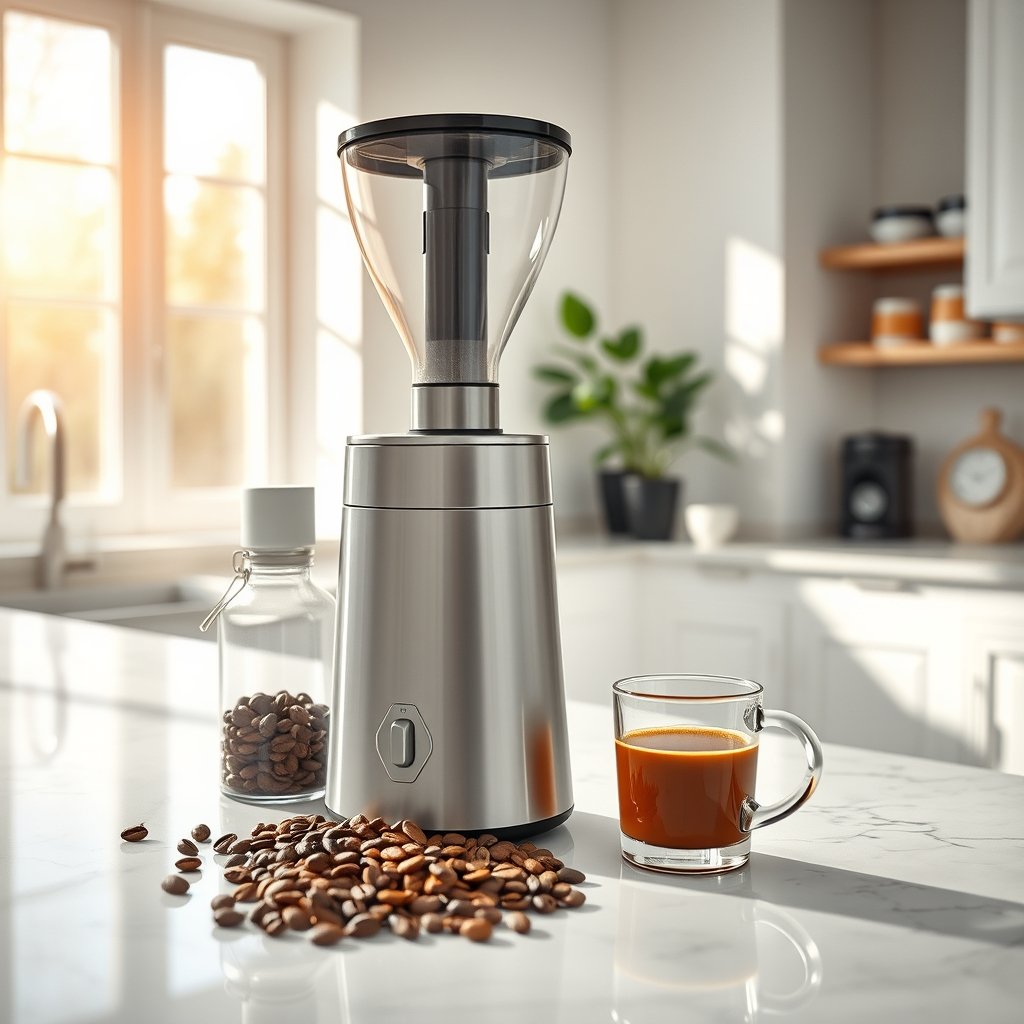
The most important technical differences explained (grind consistency, burrs, motor speed, and retention)
Understanding the unique factors in a burr electric coffee grinder 2026 helps you match a model to your needs and minimize long‑term regret. Here’s what actually matters:
- Burr type & size: Flat vs conical burrs—the classic debate. Flat burrs can offer tighter particle distributions (popular in premium espresso-centric grinders), while 55 mm conical burrs like those in the Eureka Mignon provide an excellent middle ground, excelling at both espresso and filter grinds.
- Motor RPM: Motor speed ranges from ~600 rpm (whisper-quiet, low heat) up to ~1,800 rpm (quick but louder, more heat). Lower RPM reduces both noise and heat transfer to coffee beans, keeping flavor at its best—a major win for apartments.
- Retention: The amount of ground coffee left inside the grinder after each use. Newer burr chambers and clever magnetic chutes can keep retention under 0.1 g, ideal for single dosing and consistent shots. Older/cheaper designs may retain more—sometimes up to 2 g—leading to flavor swings and waste.
- Single dosing: If you like to swap beans or make just one cup, seek out grinders explicitly optimized for low retention—the latest apartment-friendly models do this very well.
Motor and burr size directly affect noise, grind quality, and dosing accuracy. Research shows that 55 mm burrs are ideal for espresso lovers, while most filter-focused grinders stick to 40–45 mm for smaller size and a lower footprint. Mainstream models offer 800–1,200 rpm motors; high-end grinders let you select down to 600 rpm for true quiet grinding.
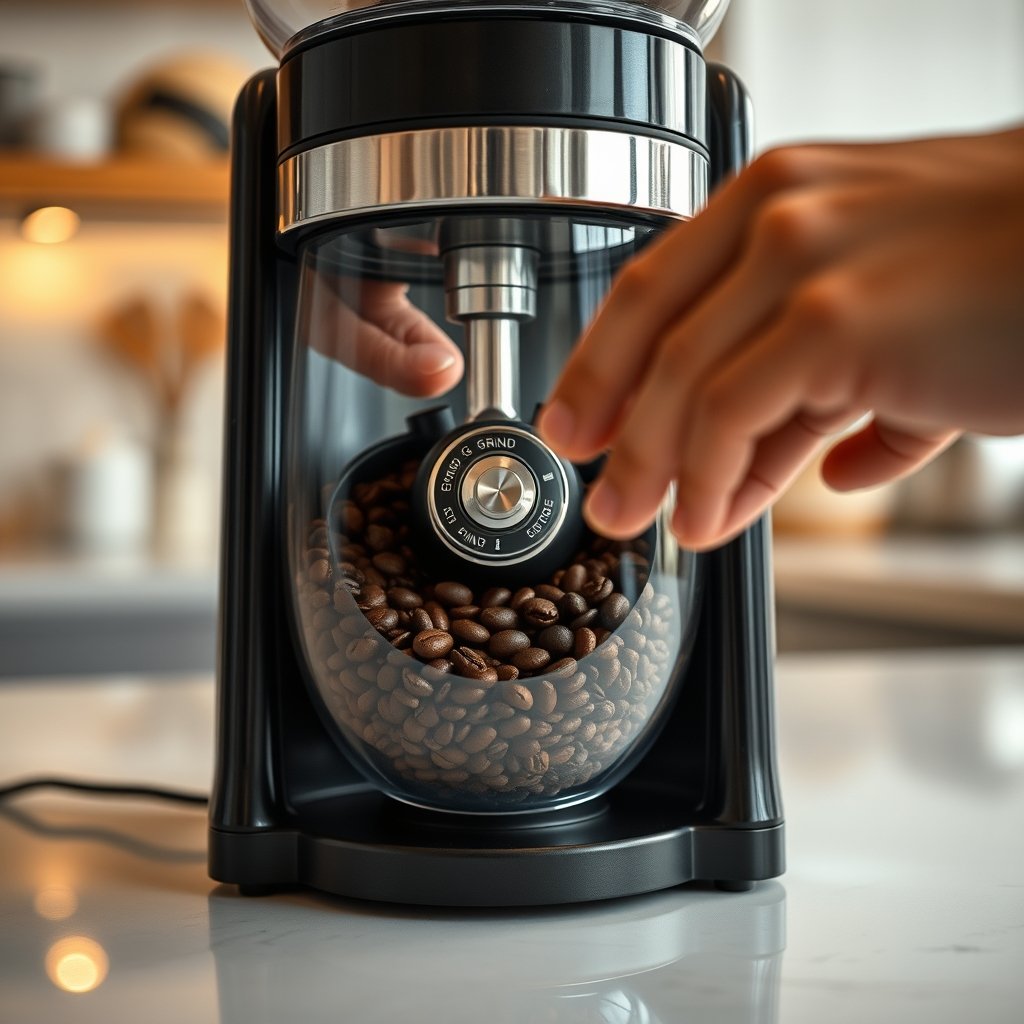
If you’re interested in single dosing and near-zero retention, see our Single Dose Coffee Grinder guide for the latest picks and tests.
Noise, speed, and heat—what to expect in an apartment
Noise output is the number one reason apartment dwellers hesitate to upgrade to an Electric Coffee Grinder. Here’s what to know:
- Modern grinders with brushless motors and sound-dampening housings reach 60–65 dB—about the level of a normal conversation.
- Cheaper grinders and higher-RPM motors often run at 70–80 dB—roughly as loud as a kitchen blender.
- Lower RPM (600–800 rpm) significantly reduces both noise and heat, keeping neighbor complaints down and coffee flavor up.
Look for models with compact, insulated bodies (not oversized hoppers), and check for published dB ratings. For even quieter operation, place a thin sound-isolating mat under your grinder.
Excess heat from high-speed grinding can dull your coffee’s flavor. For espresso, speed is less critical than grind consistency—so apartments really benefit from lower-RPM, conical-burr options.
For more ways to improve small-space living, see Compact Espresso Machine tips for apartments and mini air fryer picks.
Retention and dosing accuracy—why it matters for espresso and drip
Retention—leftover grounds that never reach the cup—plagues older and budget grinders. If you love single dosing or want reliably repeatable flavor, find a grinder with these features:
- Burr chamber and chute optimized for low retention (less than 0.1 g per grind, not the old 1–2 g norm).
- Magnetic chutes and anti-static chutes for quick, easy purging and cleaning.
- Transparent dosing for espresso and drip—what you put in, you get out. Consistency is key.
Consistent dosing yields more flavorful shots and minimizes build-up inside the machine. With modern retention solutions, many apartment-sized electric grinders now outclass even top-tier manual models in workflow efficiency.
Price bands and what performance to expect at each level
Here’s what to expect as you move up the price spectrum for the best electric coffee grinder for home use:
| Budget Tier | Price | Burr Size | Key Features | Downsides |
|---|---|---|---|---|
| Entry | $100 | 38–40 mm | Simple operation, mid-grade consistency | Noisy motors, basic plastics, higher retention (1–2 g), limited repair |
| Mainstream | $200–$400 | 40–55 mm | Lower retention (<0.2 g), quieter, anti-static chutes, some basic programmability | Plastic worm gears, modest serviceability |
| Premium | $1,200+ (flat burrs up to $2,000+) |
65–83 mm (flat) or 55–64 mm (conical) | Ultra-low retention (<0.1 g), variable RPM motors, smart controls, metal construction | Expensive; repair costs high; large footprint |
Tip: Mainstream models with 50+ mm conical burrs and quiet brushless motors are often the best value for apartments and last through several years of daily use.
Common apartment dweller pain points vs manual grinders (and how to solve them)
Many apartment coffee lovers are surprised by some electric grinder drawbacks:
- Noise: Electric motors are louder than hand cranking (though premium brushless models are far quieter than older types).
- Counter space: Traditional grinders have large hoppers. Hopperless, compact models make more sense for tight kitchens and single dosing.
- Static and mess: All electric grinders can fling coffee dust, especially in dry air. Use a bean mist (RDT) and anti-static chutes to reduce.
- Heat buildup: High motor speeds warm the burrs and can dull delicate notes. Stick under 800 rpm for espresso, under 1,200 for drip and pour-over.
- Mechanical and electronic failures: More parts mean more possible failures vs manual all-metal grinders.
Manual grinders, especially premium ones, win on quiet (near-silent operation) and compactness but tend to be slower and less consistent on fine (espresso) settings. If you crave café espresso every morning, a burr electric coffee grinder 2026 is worth the upfront cost—just choose thoughtfully to avoid common headaches.
You’ll find more quiet-living kitchen ideas in our AI Smart Oven review and multi-cooker comparison.
Durability, repairs, and total cost of ownership (TCO)
Here’s a reality check that most roundups skip. Electric Coffee Grinder motors are the number one point of failure—reportedly burning out after 2–5 years with daily use. Plastic gears and carriers crack under strain. When they fail, common repair costs run $50–$150, sometimes approaching the cost of a new model.
Entry/mainstream electric grinders are rarely designed for simple end-user repair. Expect shorter warranties (1–2 years), and check for service-friendly designs (modular, replaceable burrs, and motor assemblies). By contrast, a premium manual grinder with steel burrs can last 10–15 years with normal maintenance—almost never requiring service unless dropped.
To minimize long-run costs, choose electric grinders with strong user communities and accessible parts, or select manual models if silence and ultra-long lifespan top your list.
Environmental footprint and materials (missing from most roundups)
Electric grinders consume power and are a source of e-waste if motors or electronics fail early. Unfortunately, sustainability rarely makes top-five lists, but conscious buyers should ask:
- How long is the expected motor/burr life? (2–5 years is common for electric. 10–15+ years for manual all-metal units.)
- Is the construction (chassis, burrs, hopper) primarily metal, glass, or recyclable plastics?
- Does the manufacturer offer spare parts and real support for repairs?
Favor designs with modular parts and robust build. A longer-lived grinder means less landfill and lower replacement cost. If you value ultimate sustainability, a well-made manual might be the better call.
For more on kitchen sustainability, browse our workstation sink buyers guide.
Smart features and connectivity — are they worth it?
2026 models increasingly offer Wi‑Fi or Bluetooth controls, app-based dosing, and programmable grind profiles. This can let you save favorite settings, remotely prep before your morning routine, or integrate with smart home routines. But, all added electronics mean more possible points of failure—especially past the warranty window.
If you love gadgets and automation, premium models with smart features can be fun. If longevity and low-maintenance are more important, prioritize robust, analog controls and documented repairability instead. Remember: after 2–5 years, proprietary app support may end before the hardware does.
Related read: Pour Over Coffee Machine guide for smart and manual brew comparisons.
Electric vs manual — a clear, situation-based comparison
| Factor | Electric Coffee Grinder | Manual Grinder |
|---|---|---|
| Noise | 60–80 dB (quieter in 2026 w/ brushless motors, still above manual) | Near-silent (good for early mornings/shared walls) |
| Speed/throughput | Double shot in 10–20 s | 45–120 s per double shot |
| Consistency (fine/espresso) | Excellent at all levels, especially with 55 mm+ burrs | Requires premium build for fine/espresso consistency |
| Durability | Motors last 2–5 years (typical) with daily use | Quality burrs last 10–15 years, minimal failures |
| Repairability | Repairs $50–$150, parts sometimes proprietary | Burrs occasionally; rest is user serviceable |
| Portability/counter space | Bigger, heavier, needs power outlet | Small, portable, stores easily |
| Total cost of ownership | Replacement/repair every 2–5 years (unless premium) | Minor cost after initial purchase |
How to choose the best electric coffee grinder for your home (practical checklist)
- Brew Method: Espresso lovers—look for 55 mm+ burrs with low retention. Filter/mixed users—40–50 mm is often ideal.
- Motor Speed/RPM: 600–800 rpm for quiet, low-heat apartment grinding; up to 1,800 rpm if you value speed over noise.
- Noise Level: Seek published specs. Target ~60–65 dB for neighbor-friendly use.
- Retention: Under 0.1 g for single dosing; 1–2 g indicates older/budget design.
- Footprint/Hopper: Compact, hopperless models are more space-efficient for apartments.
- Materials/Repairability: Prioritize metal chassis and replaceable burrs, not just glossy plastic shells.
- Warranty/Support: Longer is better; access to replacement parts is crucial.
- Price: Mainstream sweet spot is $200–$400; premium for features/smart controls, entry for budget buyers.
Quick matches:
- Espresso-only: 55 mm+ conical burr, variable speed, quiet single-dose grinder
- Drip or pour-over only: 40–45 mm burr, compact, 1,000+ rpm, low retention
- Mixed use: 50–55 mm burr, variable RPM, easy to clean
Quick recommendations by use case
- Quiet apartment: Eureka Mignon or DF64V—brushless motor, 60–65 dB, low retention
- Serious espresso: Flat burr, variable RPM, 55–83 mm, ultra-low retention
- Budget daily: 40 mm burr, $100, expect some noise and higher retention (1–2 g)
- Filter/mixed: 40–50 mm conical, moderate price, easy cleaning
Data-driven target: Seek models with brushless motors and dampening to hit ~60–65 dB, and retention <0.1 g for best results in compact spaces.
Conclusion — balancing sound, longevity, and grind quality
The ideal best electric coffee grinder for home use depends on your priorities—but for apartments, prioritize quiet operation (60–65 dB), moderate RPM (600–1,200 rpm), low retention (<0.1 g), sweet-spot burr size (50–55 mm), and proven repairability. Total cost of ownership matters just as much as up-front price, especially if you want a buy-it-once appliance instead of landfill in 3 years. Environmental and smart features are the new frontier; choose wisely and you’ll get café-quality flavor at home, every cup, every year.
Don’t miss our guides for Compact Espresso Machine picks, Pour Over Coffee Machines, and Single Dose Grinders for the rest of your home café setup. Start with the right Electric Coffee Grinder and you won’t look back—except to answer friends asking why your coffee is so much better.
FAQs to address buyer hesitation
Are electric coffee grinders too loud for apartments?
Premium models with brushless motors often stay around 60–65 dB, quiet enough for most apartments. Cheaper machines can reach 70–80 dB (blender-level). Check noise ratings before you buy.
Is an electric grinder worth it compared to a manual grinder?
If you want fast, daily consistency for espresso or big brews, an electric grinder is worth the investment. However, manual grinders are quieter, lighter, and can last longer if well made.
Why do some grinders leave a mess with coffee grounds?
Static buildup and poor chute design cause coffee dust to scatter. Look for anti-static chutes, try misting beans slightly before grinding, and empty chutes after each use for less mess.
How long do electric coffee grinders typically last?
Motors usually last 2–5 years with daily use. Well-built manual grinders often last 10–15 years. Check repair options and choose brands with strong service records.
Can electric grinders handle both espresso and drip?
Most mid-tier and premium electric burr grinders handle both, especially if they have 50–55 mm burrs and variable RPM settings.