

### Blog Post:
Modular Kitchen Appliance System is rapidly changing how homeowners approach kitchen renovations, upgrades and total cost management. Instead of committing to single-use built-in appliances, a truly modular setup lets you expand, swap or upgrade piece-by-piece for long-term savings and space flexibility—without rebuying your entire suite.
Key Takeaways
- Future-proof your kitchen with modular appliance systems that can be upgraded or replaced module-by-module—minimizing both waste and costs over time.
- Careful evaluation is critical: compare not just features, but also upgrade paths, interoperability, and total cost of ownership over five years or more.
- Beware of common pitfalls such as installation challenges, dimension inflexibility and unclear upgrade policies that can undermine the promised modular benefits.
- What Is a Modular Kitchen Appliance System—and Why Is It Booming?
- How to Evaluate and Buy: A Real-World Guide
- Advanced Analysis & Common Pitfalls (2026 Market Data)
- Conclusion & Next Steps
- Frequently Asked Questions
What Is a Modular Kitchen Appliance System—and Why Is It Booming?
A modular kitchen appliance system uses plug-and-play countertop or built-in modules—such as ovens, induction burners, steamers, grills and more—that all connect and interface seamlessly. Rather than buy a fixed package, you add or swap modules as your needs, space or budget change.
Market momentum for modular countertop ovens and multi-cookers is undeniable. The global built-in large cooking appliance segment is projected to hit $14.3 billion in 2026, growing at a 5.5% CAGR through 2036. Even more striking: countertop smart ovens already capture nearly 40% of the overall smart-oven market as dense city living drives demand for compact, multifunctional, and upgradable kitchen setups [source].
Urbanization, phased remodels, and increasing premium home projects in Asia–Pacific (with >15% YoY growth) and North America (6.3% CAGR from 2026–2033) mean modular systems are quickly displacing old all-or-nothing kitchen builds [source]. Instead of fighting for more square footage or facing steep upgrade costs, owners are demanding kitchen appliance suites that grow, adapt, and last.
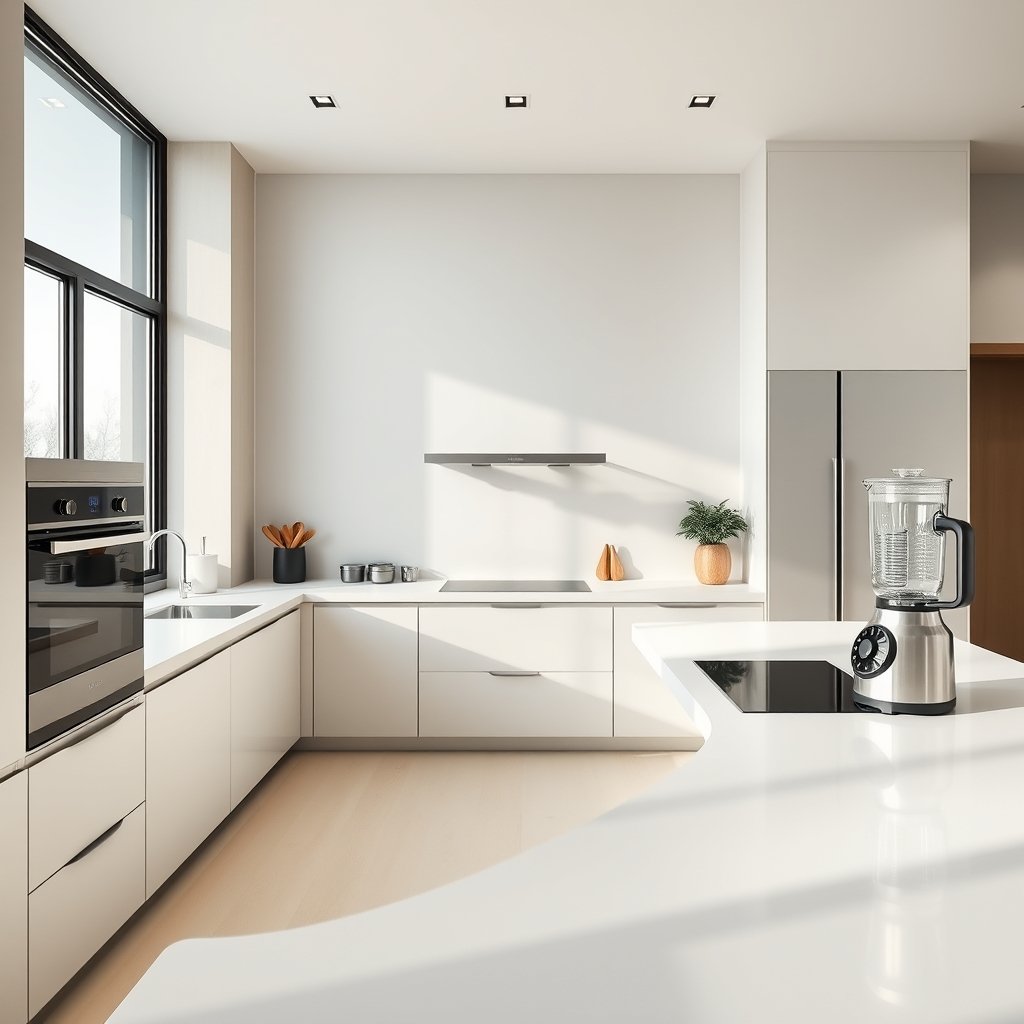
If you are configuring a small apartment, outfitting a rental property, or want to avoid frequent appliance replacements, true modularity delivers unique value. It’s not just for minimalists or design obsessives: scalable countertop cooking systems provide the flexibility to incrementally upgrade, try new cooking modalities, and avoid waste—with less risk and lower long-term cost.
Interested in combining appliances for smarter, smaller living? See how AI Smart Ovens or Multi Cookers expand capability and save space in our related guides:
AI Smart Oven: 7 Best Ways to Improve Cooking |
Multi Cooker: 7 Best Ways to Save Counter Space.
How to Evaluate and Buy: A Real-World Guide
Choosing the right modular kitchen appliance system requires more than liking a product photo or single good review. Here’s the real step-by-step approach for a total cost-of-ownership (TCO) win:
- Measure Accurately: Start by measuring your countertop or cutout spaces and check for standardized modular dimensions. Non-standard modules can torpedo easy upgrades.
- Demand Energy Data: Every manufacturer should provide detailed energy usage info for each module. Ask for lab-tested data (not just “A+” efficiency marketing).
- Test a Demo Module: Insist on hands-on experience before buying—test installation, power-up, connect to WiFi/app, run a cooking cycle, and check cleaning access.
- Evaluate Upgrade & Trade-in Paths: Ask if and how you can upgrade modules, transfer settings, or trade in for credit. Request written upgrade, firmware, and interoperability policies.
- Calculate 5-Year TCO: Total up price-per-module, expected energy use, firmware/app fees, and likely warranty or out-of-warranty repairs. Look for transparent cost calculators or request a quote.
- Verify Warranty and Support: Check for lengthy, detailed warranty coverage. Confirm local service partners, module availability, and replacement timelines.
Dirty racks? Tight fitting corners? Cleaning hassles are common. If you want a system that’s genuinely easy to keep spotless, prioritize models with tool-free removable parts and wide crevice-free edges—see our Portable Air Fryer or Compact Espresso Machine cleaning guides for proven solutions.
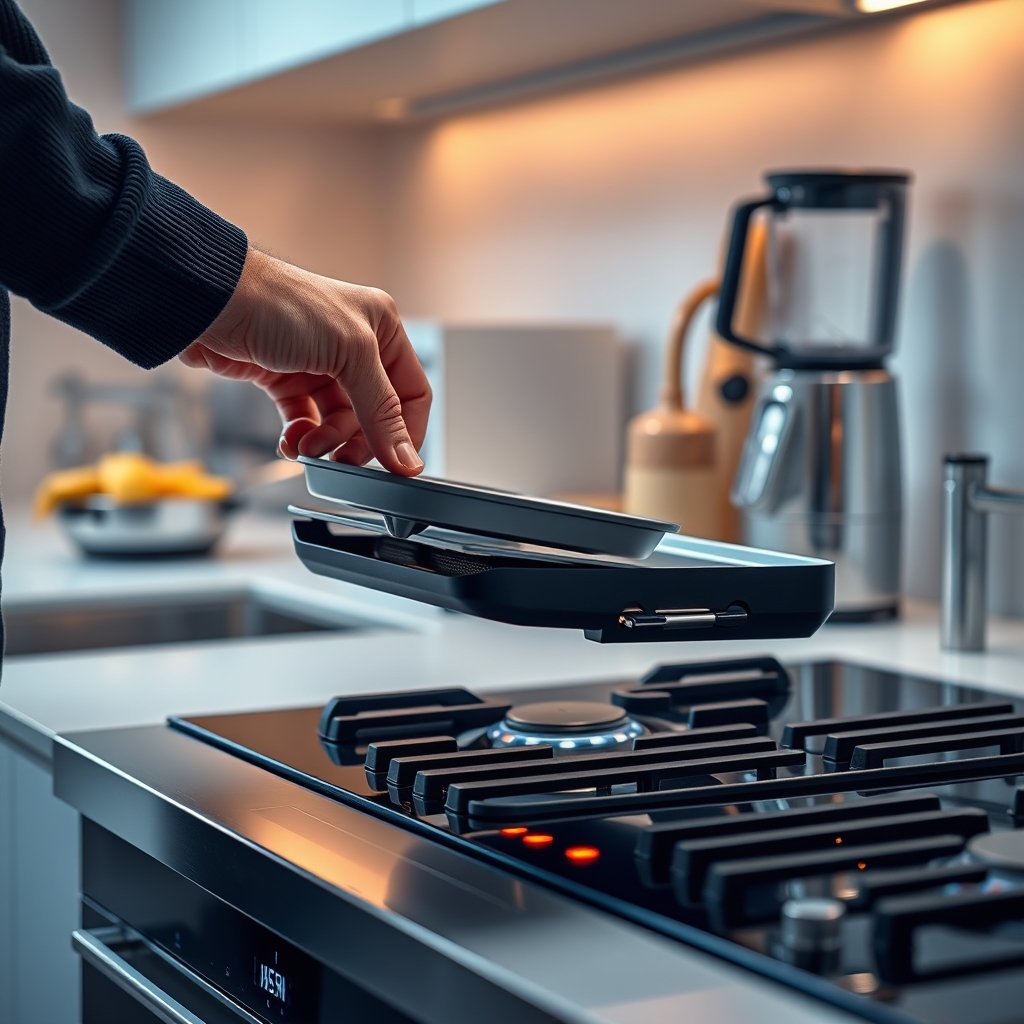
Remember, not every “modular” claim is legit. Some brands offer only cosmetic panels or fixed inserts, rather than true plug and play kitchen modules. Ask pointed questions: Will future modules slot into my existing docking base? Can firmware be updated without losing compatibility? Can I actually mix module types and brands? (See interoperability testing below.)
Advanced Analysis & Common Pitfalls (2026 Market Data)
Despite market growth, 2026 reviews show real pain points for buyers of modular cooking appliances. Here’s where most owners and testers still get burned:
- Installation Fit Issues: Many plug and play modules don’t fit precisely, causing gaps, misalignment, or the need for custom countertop cuts.
- Inflexible Dimensions: Limited sizing options can force compromises in layout, especially for renters or phased renovators adjusting over time.
- Temperature & Power Inconsistency: Some smart ovens have uneven heat and unreliable temperature sensors, impacting baking, broiling and multi-zone cooking.
- Unreliable Connectivity: WiFi and smart app features are often buggy, drop connections, or become unsupported after a few years.
- Cleaning Hassles: Narrow, hard-to-reach areas create food traps and cleaning headaches. Few systems offer tool-free, dishwasher-safe component removal.
- Upgrade & Ecosystem Confusion: Future upgrade paths, firmware policies, and even cross-brand “modular” claims are often vague or not honored in practice [source].
| Feature | What to Test | Potential Pitfall |
|---|---|---|
| Temperature Accuracy | Uniformity with oven thermometer in all zones | Hot/cold spots in modular countertop oven 2026 models |
| Energy Consumption | Tested usage per module per cycle (kWh) | No breakdown by function or module—hard to estimate TCO |
| Installation Tolerance | Check if tolerances match cutout or countertop dimensions | Imprecise fit, labor costs for adjustments |
| Warranty & Upgrade Policy | Length, coverage, transferability, upgrade paths | Exclusions, unclear trade-in, out-of-date firmware risk |
| Interoperability | Works with other modules/brands, app compatibility | Locked ecosystem, future upgrades not supported |
| Cleaning & Maintenance | Access to innards, tool-free part removal | Hard-to-reach grease traps, stuck spills |
Industry leaders like Miele and Sub-Zero are investing in AI-enabled and fully connected kitchens. Yet even in 2026, research finds reviews rarely cover detailed energy analytics, AI-assist cooking, or long-term upgrade/service realities—gaps that leave buyers with plain speculation instead of clear answers [source].
If you’re evaluating specific product lines like the Ninja PossibleCooker Plus, ask about: energy efficiency per cooking mode, AI recipe-assist performance, modular/upgrade policies, dimension tolerances, warranty exclusions and cleaning ergonomics. Don’t assume positive online reviews have stress-tested these factors.
Looking for a direct product shootout? Use this side-by-side comparison framework below to uncover trade-offs—the real “best modular countertop kitchen system 2026” is the one that matches your scenario, not the one that tops a marketing list.
| System | Module Types | Coupling Spec | Energy (kWh/cycle) | Temperature Accuracy | Installation Tolerance | Warranty & Upgrade | App/Ecosystem | Price/Module | Est. 5yr TCO |
|---|---|---|---|---|---|---|---|---|---|
| Brand A | Oven, Induction, Steamer | Magnetic, Snap-in | 0.9 | ±5°F | ±2mm | 6yr, Yes | Alexa/Google | $240 | $1225 |
| Brand B | Oven, Grill, Coffee | Screw-lock | 1.2 | ±6°F | ±5mm | 3yr, No | Proprietary | $190 | $1375 |
| Ninja PossibleCooker Plus | Oven, Multi-cooker | Slide-in rail | 0.8 | ±3°F | ±3mm | 5yr, Limited Upgrade | iOS/Android | $170 | $1115 |

Want more energy-saving ideas or need to understand compatibility? Read our expert guides:
Induction Burner: 7 Amazing Ways to Save Money |
Combination Steam Oven: Maximize Nutrition |
Workstation Sink: 7 Best Ways to Boost Prep Space.
Conclusion & Next Steps
The modular kitchen appliance system gives renovation-minded homeowners and design-conscious urban cooks a clear upgrade path, room for experimentation, and lower lifetime costs. Avoid overhyped “smart” labels and dig into hands-on demos, warranty and upgrade policies, interoperability testing, and transparent 5-year TCO. When in doubt, request a demo, demand energy and fit specs, and insist on upgrade and compatibility roadmaps before you buy.
Invest wisely and your modular kitchen appliance system can adapt as your lifestyle, cooking habits, and available tech evolve—without the waste, cost, and regret of traditional locked-in kitchen suites.
Ready to get hands-on or see real product breakdowns? Compare your shortlist, ask tough upgrade questions, and see our tips for maximizing space and value with your kitchen appliance upgrades.
Frequently Asked Questions
What exactly defines a “modular kitchen appliance system”?
It’s a set of plug-and-play appliances—like ovens, induction plates, coffee makers—that can be physically added, swapped or upgraded individually, linking together into a flexible ecosystem. True systems allow easy replacement or new module addition without altering your countertop or power setup.
Can I mix modules from different brands?
Sometimes. Some manufacturers use proprietary connectors or software, but growing demand for interoperability means more brands now publish standardized dimensions and open ecosystem policies. Always test or confirm compatibility before buying.
Are modular appliance upgrades really more cost effective?
In most urban, small-space or phased-upgrade situations, yes. Instead of replacing whole suites every few years, you swap or upgrade individual modules for less total cost over 5–10 years. Just be sure to factor in energy use, app/service fees, and realistic warranty/support coverage.
How do I avoid installation or fit issues?
Always measure your space and compare to published cutout and installation tolerances. Ask for demo trials, and beware of “modular” products with fixed or extra large footprints.
Is the Ninja PossibleCooker Plus a true modular system?
It’s one of the more flexible solutions available, supporting various cooking modules and upgrades, though brand interoperability is limited. Check warranty, firmware, and future module support carefully.
—