
### Blog Post:
Single Dose Coffee Grinder use is booming among home baristas who want fresh flavor and total bean control. But does it actually help, and what real-world tradeoffs should you expect if you switch from a hopper grinder?
Key Takeaways
- Single dose grinders deliver near zero retention (under 0.1 g) for maximum freshness and flexible workflow, but can be slower and costlier than hopper grinders.
- Biggest issues for home users are static, tricky stepless adjustment, motor strain at fine espresso settings, and limited bean capacity — but most have practical fixes.
- Prioritize retention, burr quality, motor power and serviceability for best espresso results; affordable single dose grinder options are finally catching up in value.
- Why single dose grinders are trending now (market snapshot & practical payoff)
- Single dose vs hopper grinder — the measurable tradeoffs
- How single dose affects espresso quality — retention, consistency, and workflow
- Most frequent user complaints about single dose grinders (and how to avoid/fix them)
- Three technical comparisons reviewers usually miss (must-read section)
- Buying checklist — what to prioritize for espresso (quick decision criteria)
- Best single dose grinder picks + budget vs midrange vs pro criteria (how to choose models)
- Home barista single dose setup & workflow (step-by-step)
- Affordability hacks — how to get single dose benefits without breaking the bank
- Quick FAQ & decision matrix (should I buy single dose or hopper?)
Why single dose grinders are trending now (market snapshot & practical payoff)
Serious home baristas want their coffee ground fresh — no leftovers from yesterday’s batch lurking in the burrs. That’s the core reason the single dose coffee grinder is trending stronger than ever, especially for espresso and specialty filter. In 2024, single dose grinders held roughly 15% of the global home grinder market, with projections edging toward 20% by 2026, powered by a sharp 30% year-over-year sales growth. This rush is fueled by the major practical benefit: near-zero retention. Most single dose grinders trap under 0.1 g of grounds between shots, compared to 1–5 g for hoppers.
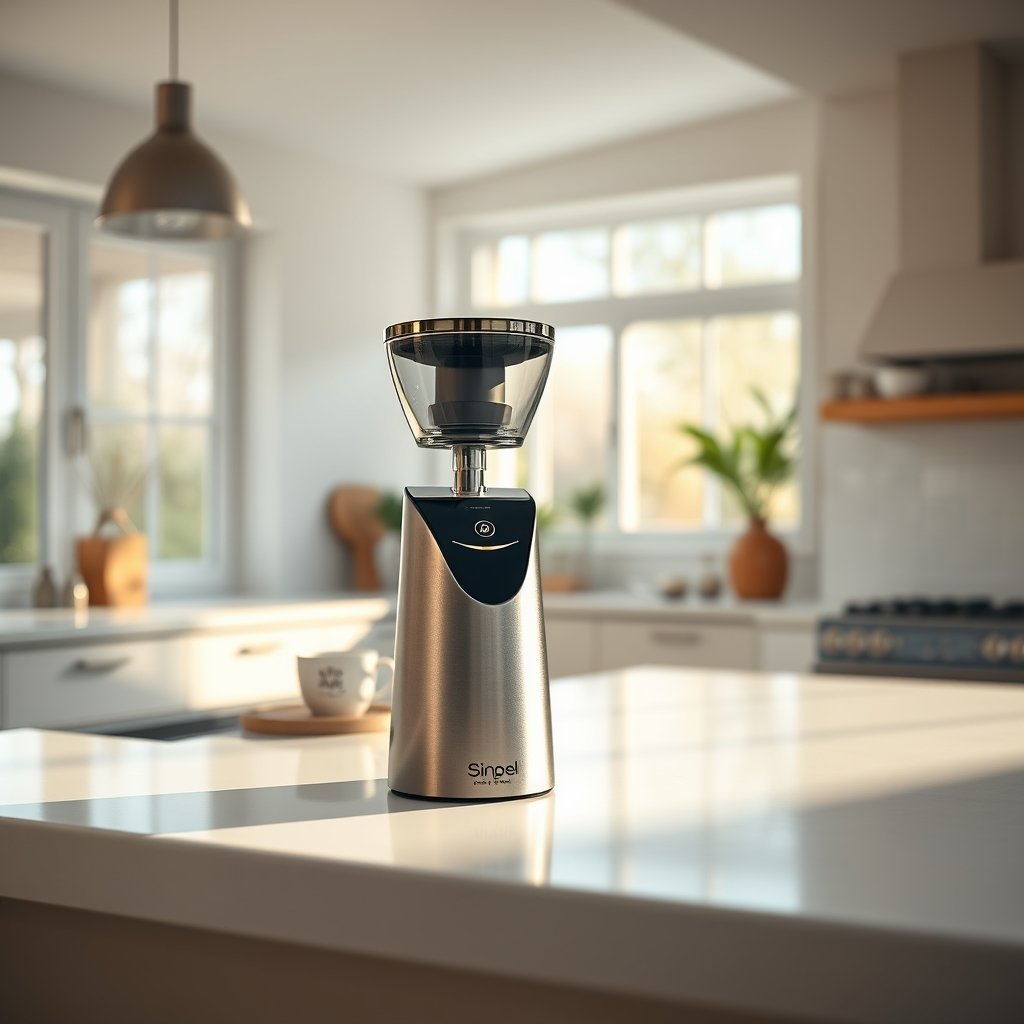
No old coffee. You grind only what you load. Switching beans is instant — great if you want to try different espresso roasts daily, or alternate between filter and espresso with zero flavor carryover. But switching also changes your whole workflow, so it pays to weigh the speed and capacity tradeoffs up front.
Single dose vs hopper grinder — the measurable tradeoffs
The debate of single dose grinder vs hopper grinder is about bean freshness versus workflow speed. Here’s the direct contrast:
- Retention: Single dose units keep leftover grounds under 0.1 g; hoppers typically retain 1–5 g (which means your next shot mixes yesterday’s with today’s).
- Speed: Hopper grinders grind a 30 g espresso dose in about 3–5 seconds. Most single dose setups take about 5–8 seconds to do the same — that’s not slow, but in rushes or for big batches, it adds up.
- Workflow: Hopper grinders are fast for entertaining or batch brewing, letting you grind repeatedly without refilling. Single dose means you must weigh beans every shot. The payoff is you can switch coffees instantly and always know your dose — but it’s more hands-on.
For a home setup, the workflow you pick sets your daily routine. There’s no universal answer — each style has unique strengths. For more guidance on grinder types for kitchen or apartment use, see our Electric Coffee Grinder apartment guide.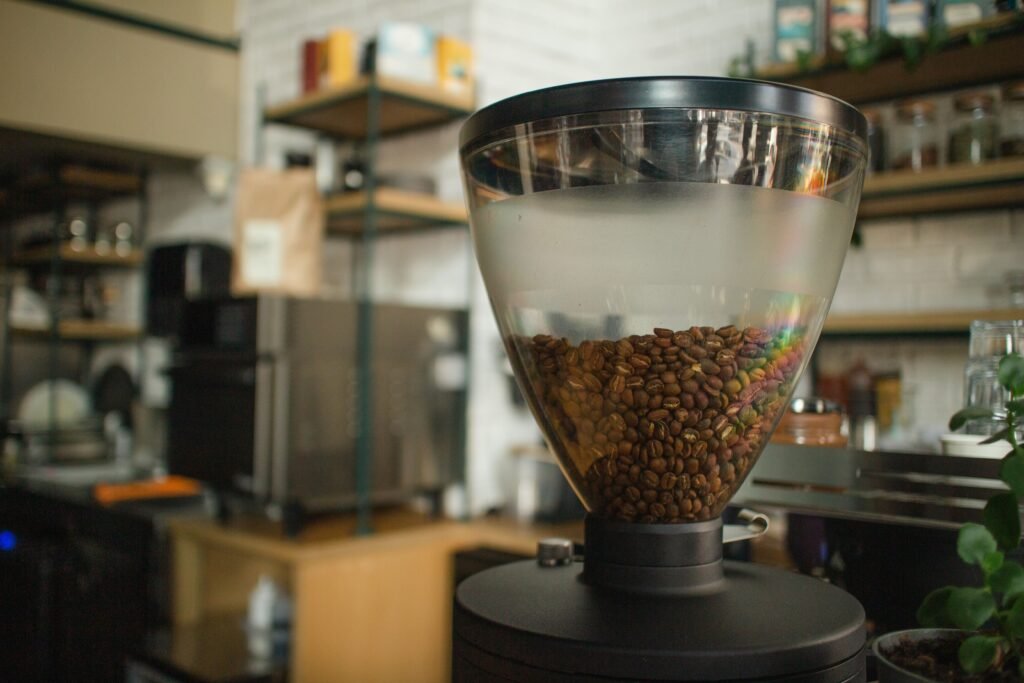
Hopper models like the Baratza Encore grind fast and hold plenty of beans, perfect for entertaining—see an in-depth comparison here. Meanwhile, single dose specialty grinders are purpose-built for absolute clarity and single origin variety. As choice grows, even budget barista options can perform well.
How single dose affects espresso quality — retention, consistency, and workflow
Low retention and a straight-through grind path are the biggest upgrades you get from the best single dose grinder for espresso. Here’s how it affects your coffee:
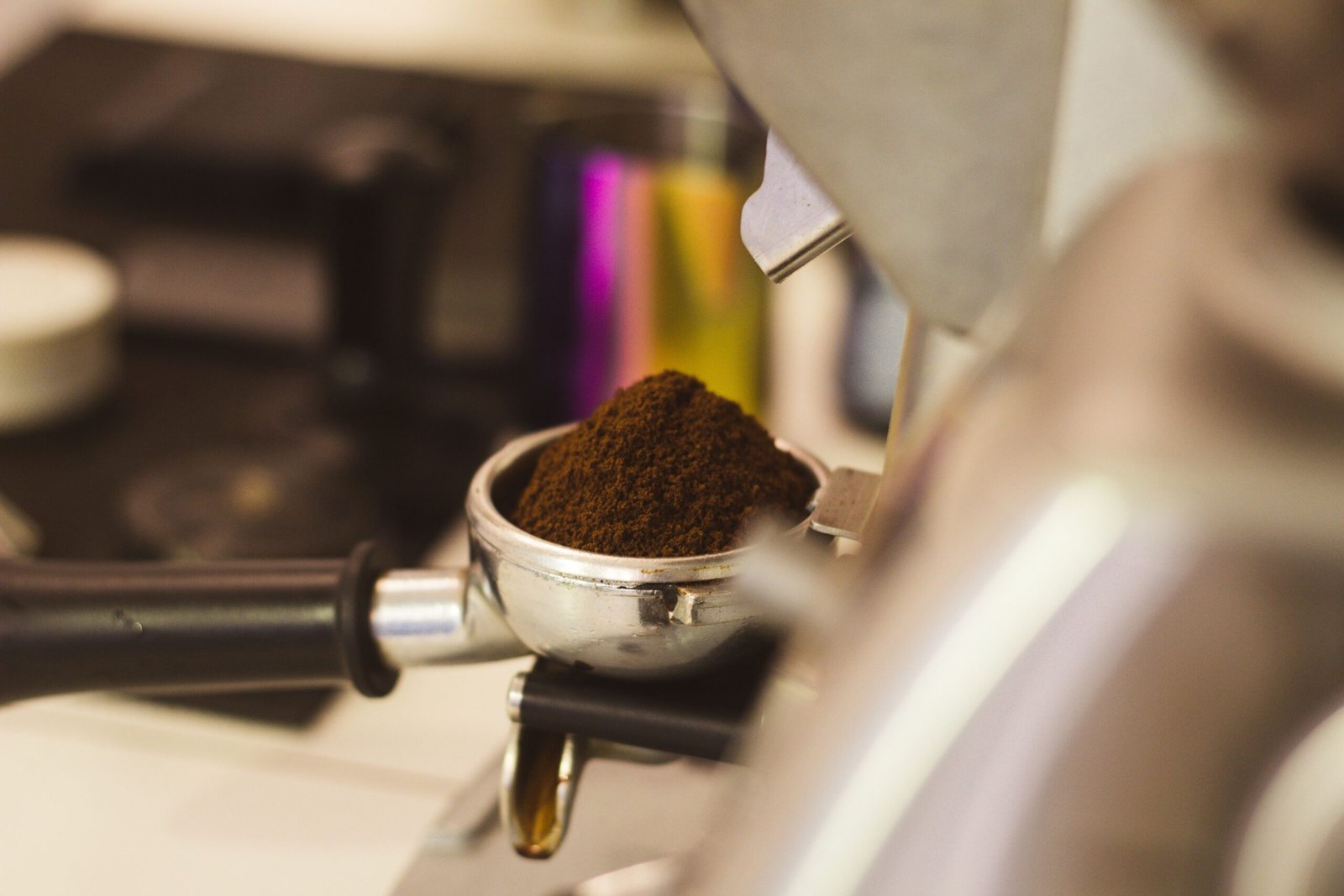
- Retention and flavor carryover: Single dose designs (sub-0.1 g retention) virtually eliminate stale grounds. Every shot uses only new beans—no old flavors, no cross-contamination when you switch coffees. That’s why single dose grinders are popular for home espresso enthusiasts chasing maximum flavor clarity (more details).
- Shot-to-shot repeatability: Consistent in, consistent out. Manual weighing/dosing combined with near-zero retention means every shot gets exactly the beans and grind you chose, which is critical for dialing in espresso and troubleshooting taste.
- Workflow changes: You’ll need to weigh each portion of beans, load them manually, and potentially purge/flick any stuck grounds between shots—slower than a hopper, but more flexible if you value variety.
It’s best to pair your grinder with a quality espresso machine for results you can trust. Check out the Compact Espresso Machine guide for advice on matching grinders and machines in a small space.
Sidebar: Burr Materials & Replacement Costs
One critical factor many lists skip: long-term burr wear and replacement. Steel burrs dominate affordable and midrange single dose grinders. They’re sharp, precise, and relatively cheap to replace (often $30–$90 per set), lasting 2–5 years under home use. Ceramic burrs cost more upfront but can retain sharpness longer — however, if you chip a ceramic set, you’ll likely need a full replacement, which may be $60–$150 depending on the model.
Always check replacement part pricing and burr compatibility before committing to a grinder, especially for affordable single dose grinder options. Brands with easy, tool-free burr swaps or widely available generic replacements will save hassle and money long-term. Consider this when comparing features instead of just raw RPM or burr size stats.
Most frequent user complaints about single dose grinders (and how to avoid/fix them)
Not every single dose grinder is perfect — and even the best have quirks. Based on wide user feedback and recent reviews, here are the biggest complaints, plus actionable fixes:
| Problem | Frequency | Practical Fix |
|---|---|---|
| Static cling in chute or cup | Common | Wipe chute/cup with a damp cloth before use or add a drop of water to beans (the “RDT” trick). |
| Difficult stepless adjustment | Frequent | Mark dial positions for espresso/filters; adjust burrs only when grinder is running to avoid jams. |
| Limited bean capacity | Very common | Pre-weigh beans if serving guests; consider a grinder with 30–40 g chamber for two drinks at once. |
| Motor strain at fine grind | Occasional | Only grind at espresso fineness in short bursts. Let the motor cool, or choose models with a beefier motor. |
| High price for premium models | Frequent | Look for models that focus spending on burrs and motor; avoid “design” features you don’t need for espresso. |
These issues shouldn’t stop you. Many budget and midrange grinders, like the DF54 or 1Zpresso J-Ultra, handle most complaints well (see a full review on Eight Ounce Coffee).
Buying checklist — what to prioritize for espresso (quick decision criteria)
Choosing the best single dose grinder for espresso at home isn’t about price alone. Here’s a bulletproof checklist for picking — or configuring — your next grinder:
- Retention spec: Target under 0.1 g for true single-dose use. Always look for published independent tests, not just marketing claims.
- Burr size/type: 54–64 mm flat or 40–48 mm conical; steel for value/performance, but check for easy replacement.
- Motor power: At least 150–200 W for electric; smooth, consistent grind at fine espresso settings matters most.
- Adjustment mechanism: Stepped dials are easier for consistency; stepless offers infinite control, but takes patience.
- Dose path: Straight-through is best for low retention; ensure minimal nooks for grounds to get stuck.
- Portafilter/dosing cup compatibility: Should fit your preferred machine/filter size, ideally with an included dosing cup.
- Serviceability: Burrs and chutes must be easy to clean and swap out (see burrs sidebar and user manual).
- Speed and noise: Single dose units 5–8 seconds per 30 g; check for reasonable noise level if grinding early mornings.
For help choosing a machine that won’t crowd your counter, see our Compact Espresso Machine guide or explore stealth picks in our Multi Cooker buying guide.
Best single dose grinder picks + budget vs midrange vs pro criteria (how to choose models)
The surge in single dose coffee grinder popularity means there’s finally a model for every price point. Here’s how to match features to your budget:
- Affordable/entry ($150–$250): 48–54 mm burrs (usually flat steel), minor retention (<0.2 g), manual or small electric motor, basic adjustment. Exemplified by the DF54 or 1Zpresso J-Ultra (Coffeeness review).
- Midrange ($250–$600): Upgraded burr size or material (55–64 mm), better motor, dosing cup standard, improved anti-static, and finer adjustment. Often lets you swap burr sets for longevity or clarity.
- Premium/pro ($650+): Zero-retention tech, calibrated stepless dial, automated weight-based dosing, near-silent motor, advanced vibration control, and high-res touchscreen or smart scale connection.
Just remember: Single dose engineering costs more — so if you want true zero retention without the pro price, prioritize geometry and serviceability over fancy apps. Browse pour-over options too in our Pour Over Coffee Machine guide.
Home barista single dose setup & workflow (step-by-step)
Want the most from your home barista single dose setup? Here’s a repeatable routine:
- Weigh your beans for each dose; use a high-precision scale for espresso (ex: 18.0 g).
- Transfer beans to the grinder’s chamber. For static control, try the “RDT” method: barely dampen the beans with a fingertip’s worth of water.
- Adjust your grind. If using stepless, note your settings for repeatability; with stepped, mark your “sweet spot.”
- Grind, then purge the chute with the included puffer/bellows. Tap the casing for any stuck grounds.
- Collect the grounds in a dosing cup. Funnel or distribute evenly into the portafilter to minimize channelling.
- Flush or clean out leftover grounds every few uses for highest flavor clarity.
- Pair with a shot timer/scale for absolute consistency every pull.
This workflow is why single dose grinders excel at bean rotation and espresso dialing. For more kitchen tech advice, visit our AI Smart Oven buying checklist.
Affordability hacks — how to get single dose benefits without breaking the bank
Most single dose coffee grinders with top-tier zero-retention engineering still command a premium. But if you’re on a budget, here’s how to stretch each dollar without losing the main benefits:
- Choose models with 48–55 mm flat burrs—costs less, but still delivers good clarity and modest retention. The DF54 or Millab M01 Hand Grinder offer real value (see review).
- Check the used/refurbished market for lightly-used prosumer models.
- Convert a budget hopper grinder by removing the hopper, using a bellows for retention control (works especially well for filter brewing).
- Prioritize grinders with easily replaceable burrs and open access for DIY servicing.
- For non-espresso use, tolerate minor retention—the real gains matter most for espresso and high-clarity filter.
Thanks to annual market growth of around 30%, new budget single dose grinders are launching every year. With smart shopping, real specialty results are possible under $300.
Quick FAQ & decision matrix (should I buy single dose or hopper?)
Do I need a single dose grinder if I only make espresso once a day?
If espresso is your main brew and you’re chasing clarity, yes—a single dose grinder keeps things ultra-fresh. But for batch morning brewers, a hopper may save time.
Should I switch if I change beans daily?
Absolutely—this is where single dose shines. Instant switching, no flavor overlap. Just weigh and go.
Are single dose grinders good for entertaining or large batches?
If you regularly brew for many people, hopper grinders win for speed and convenience. Single dose is optimized for individual, tailored drinks.
Which is easier to maintain and clean?
Single dose grinders generally have fewer parts to trap grounds. Just remember to clean regularly to keep retention low.
How do I balance speed, freshness, and budget?
Use the decision matrix below (design team will insert visual): for maximum freshness and bean switching, single dose is best; for speed and batch brewing, hopper wins; for budget, a well-reviewed affordable single dose grinder now offers real quality below $300.
Conclusion: Do You Need A Single Dose Coffee Grinder?
If you prioritize flavor clarity, switch between beans often, or want to optimize your home barista workflow, a Single Dose Coffee Grinder will deliver unmatched freshness and shot-to-shot consistency. Yes, expect a slower workflow — but you gain flexibility and a deeper connection to your results. For many, that’s worth the extra effort. Ready to upgrade? Explore our single dose coffee grinder buying guide for real product picks and workflow tips.
—